
Terrazzo in Public Spaces: A Modern Renaissance
2026-04-20
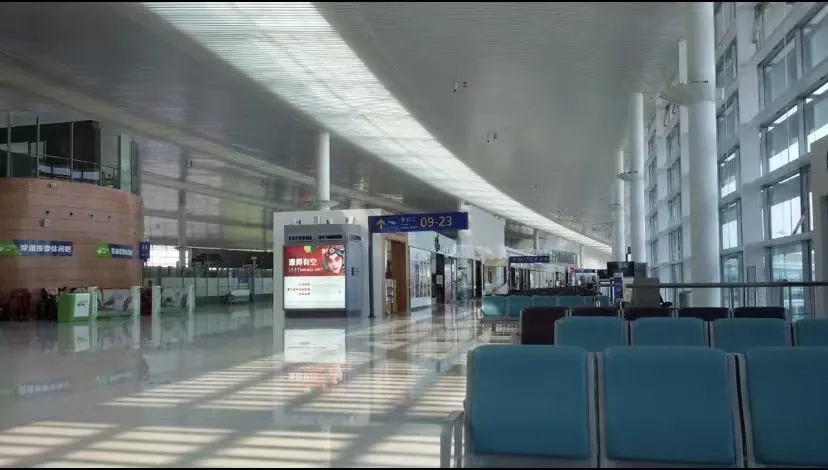
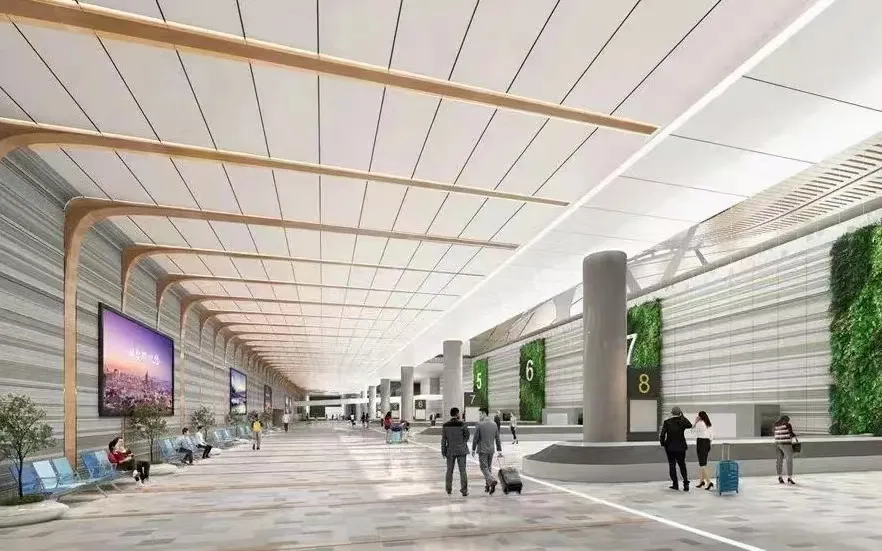
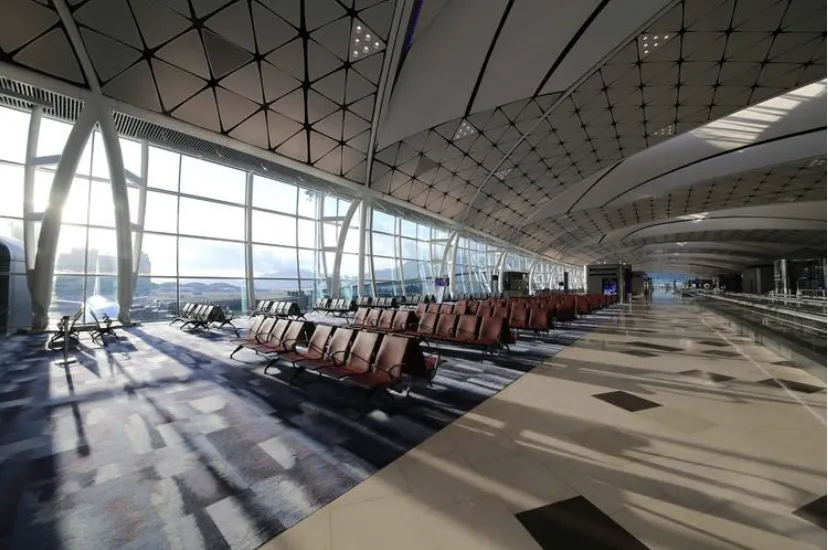

Terrazzo, a composite material with a history dating back to 15th-century Venice, is experiencing a significant revival in contemporary public architecture and design.
Its unique blend of durability, aesthetic flexibility, and sustainability makes it an increasingly popular choice for high-traffic, high-visibility environments worldwide.
Core Composition and Modern Evolution
Terrazzo is manufactured by embedding chips of marble, granite, quartz, glass, or other aggregates into a cementitious or epoxy resin binder, which is then ground and polished to a smooth finish.
While traditional cement-based terrazzo remains in use, the advent of epoxy resins has revolutionized the material, offering a vastly expanded color palette, enhanced resistance to cracking, and greater design versatility.
This evolution has propelled terrazzo beyond its mid-20th-century applications into the forefront of modern design.
Key Advantages for Public Applications
The material's resurgence in airports, hospitals, transit hubs, educational institutions, and commercial spaces is driven by several inherent benefits: