
Terrazzo applications in restaurant design articles
2026-04-24
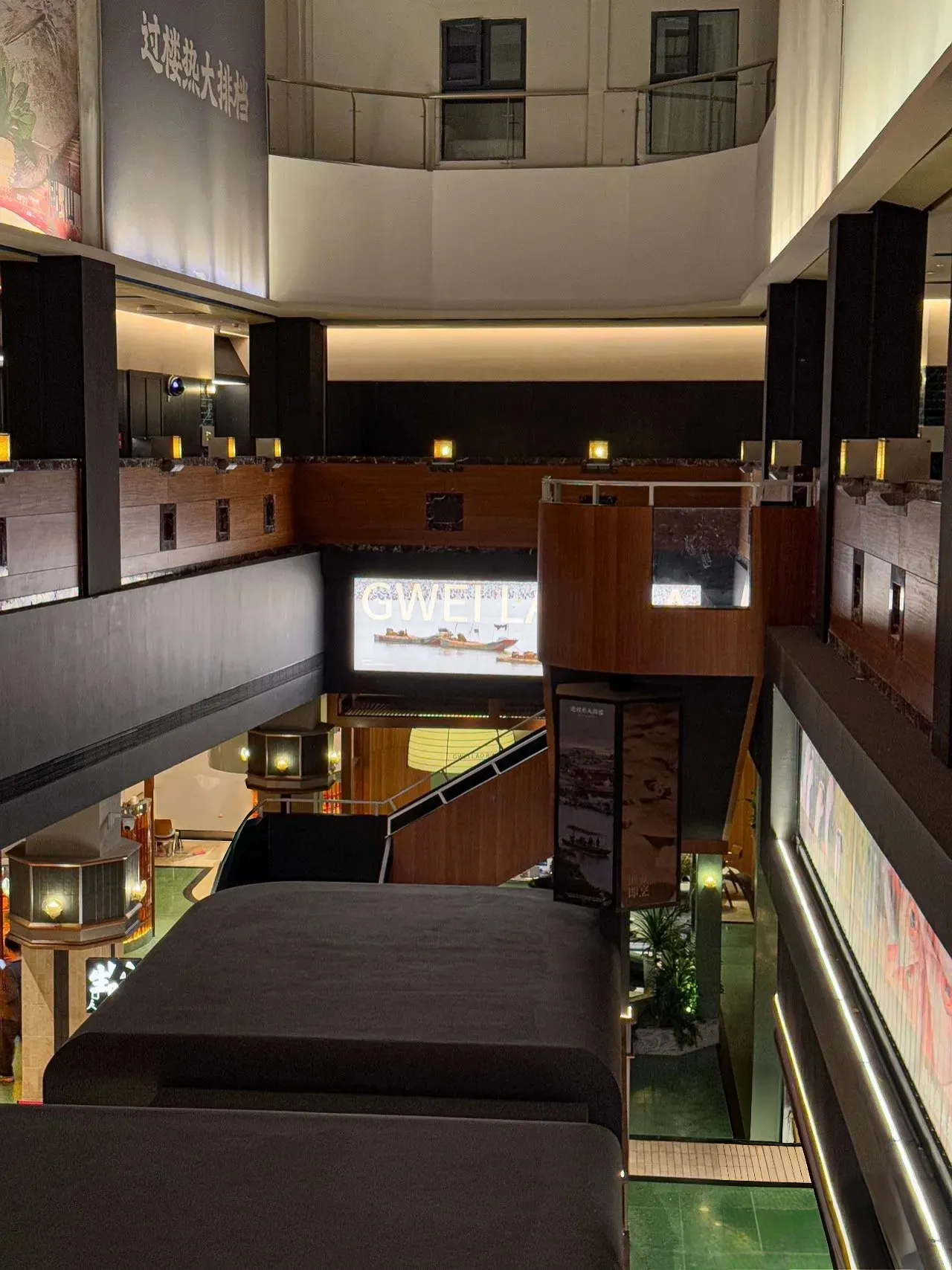
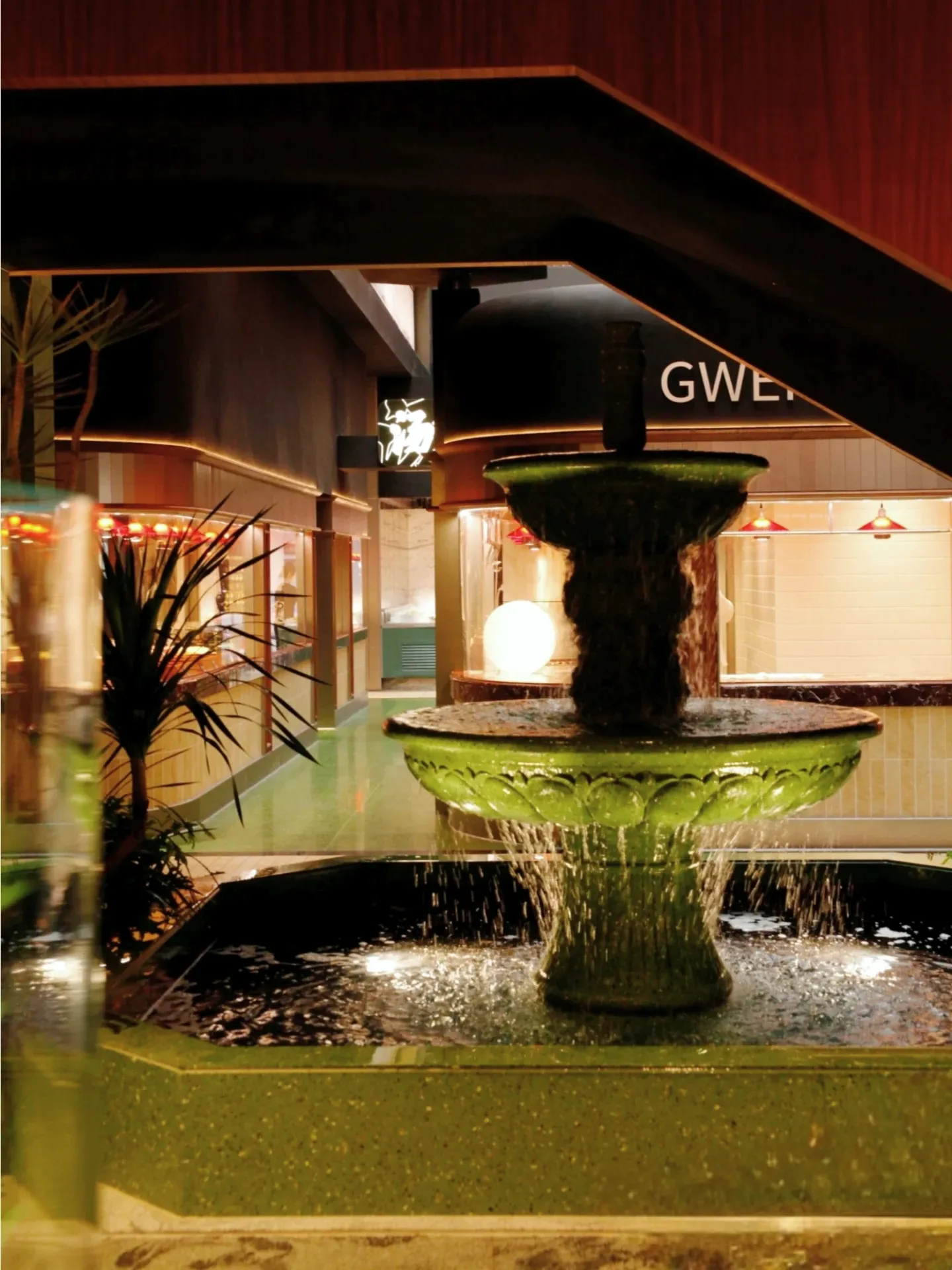
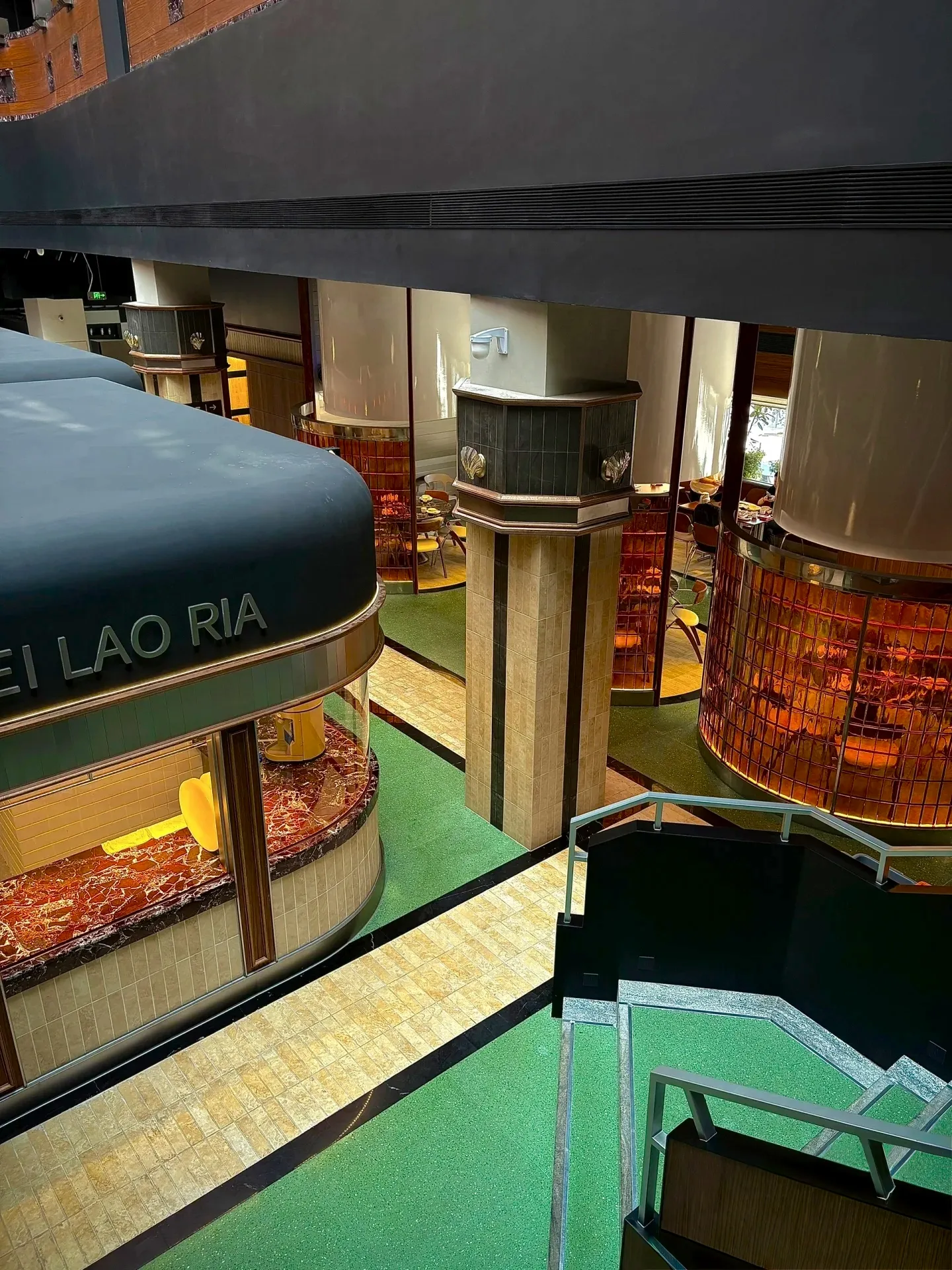
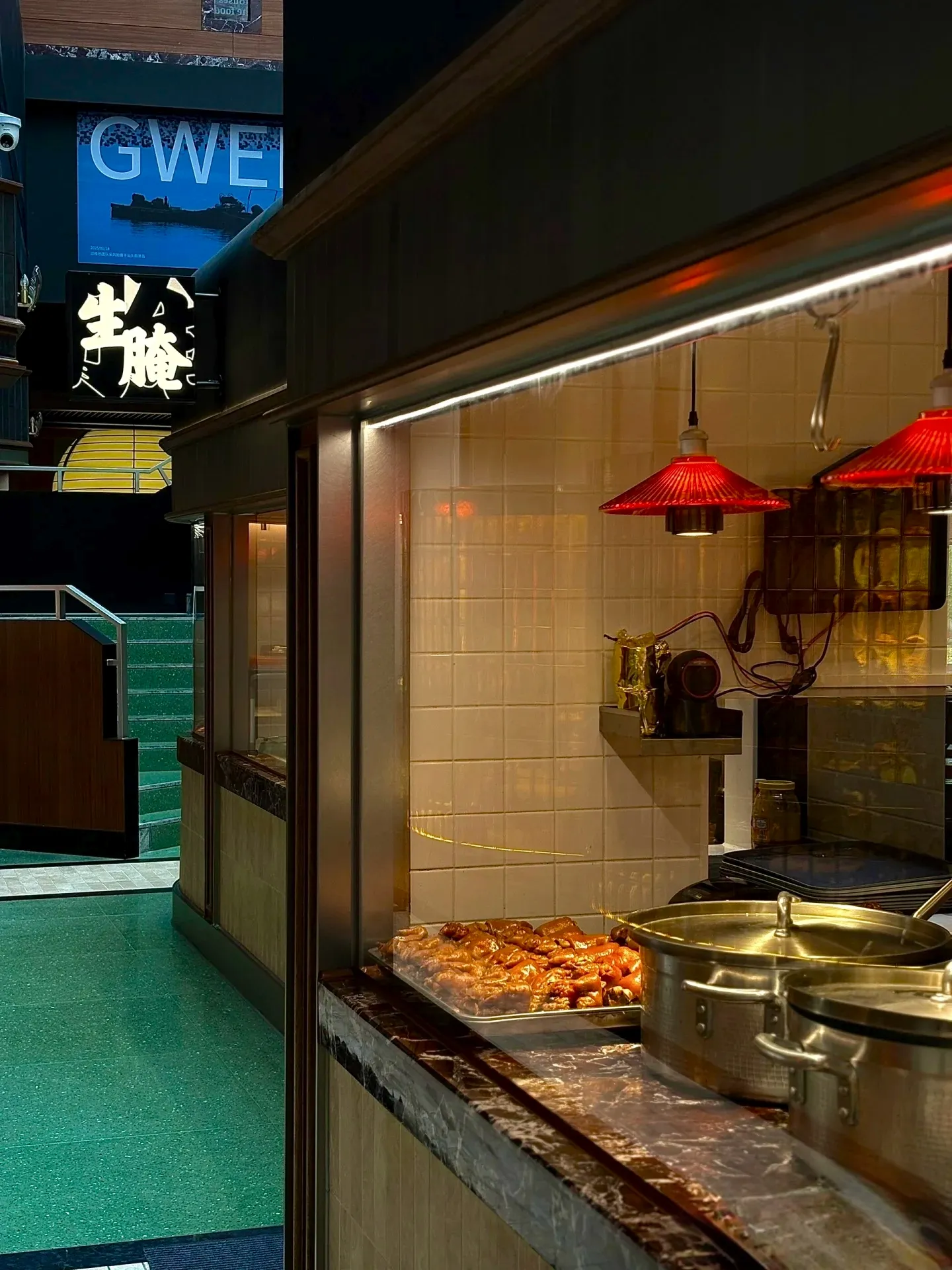
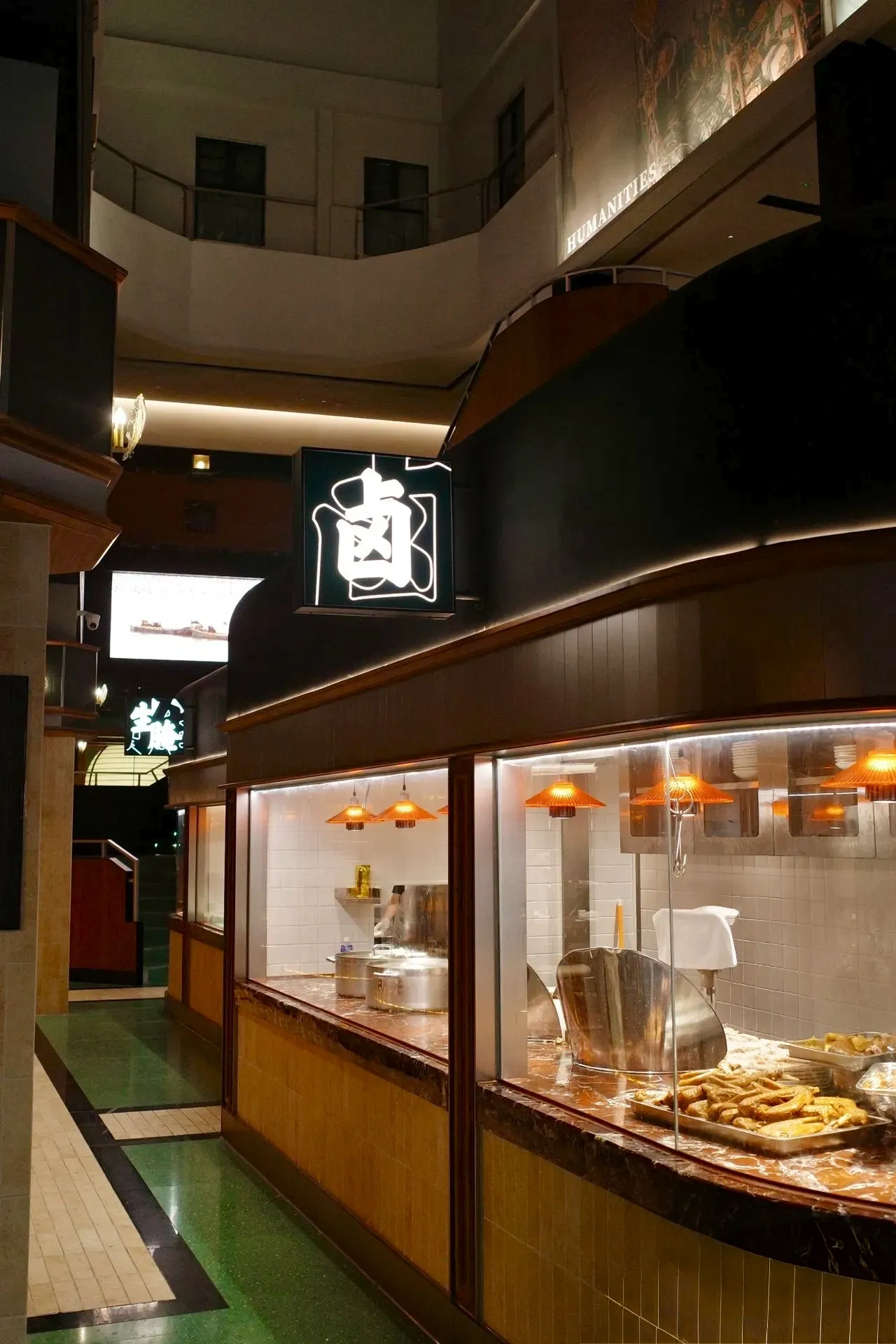
The inherent versatility of terrazzo allows it to seamlessly integrate into diverse restaurant concepts. Its composition can be customized through the selection of aggregate type, color, size, and distribution, enabling the creation of unique patterns, monochromatic surfaces, or bold artistic statements. This adaptability makes it suitable for everything from minimalist, modern cafes to opulent, themed dining establishments.
Restaurants are high-traffic environments demanding materials that combine durability with ease of maintenance. Terrazzo excels in these areas.
Flooring: As a primary flooring material, it provides a seamless, durable, and stylish base that can define the space’s character—from industrial chic to classic elegance.
Countertops and Bar Fronts: Used for tables, bar tops, kitchen counters, or host stands, terrazzo offers a hard-wearing surface that is both functional and a design focal point.
Wall Cladding and Feature Walls: Applied on walls or as accent panels, it creates a continuous aesthetic flow or serves as a striking backdrop, enhancing the overall interior narrative.
In conclusion, terrazzo stands as a multifaceted material ideally suited for restaurant design. It successfully merges extensive design customization with robust practical benefits, including durability, ease of maintenance, and safety. By enabling cohesive aesthetics from floor to wall to furniture, it empowers designers to craft distinctive, immersive, and long-lasting restaurant environments that appeal visually while performing reliably under the demands of commercial use.