
Terrazzo in Villa Facades: A Modern Revival of Classic Elegance
2026-04-25
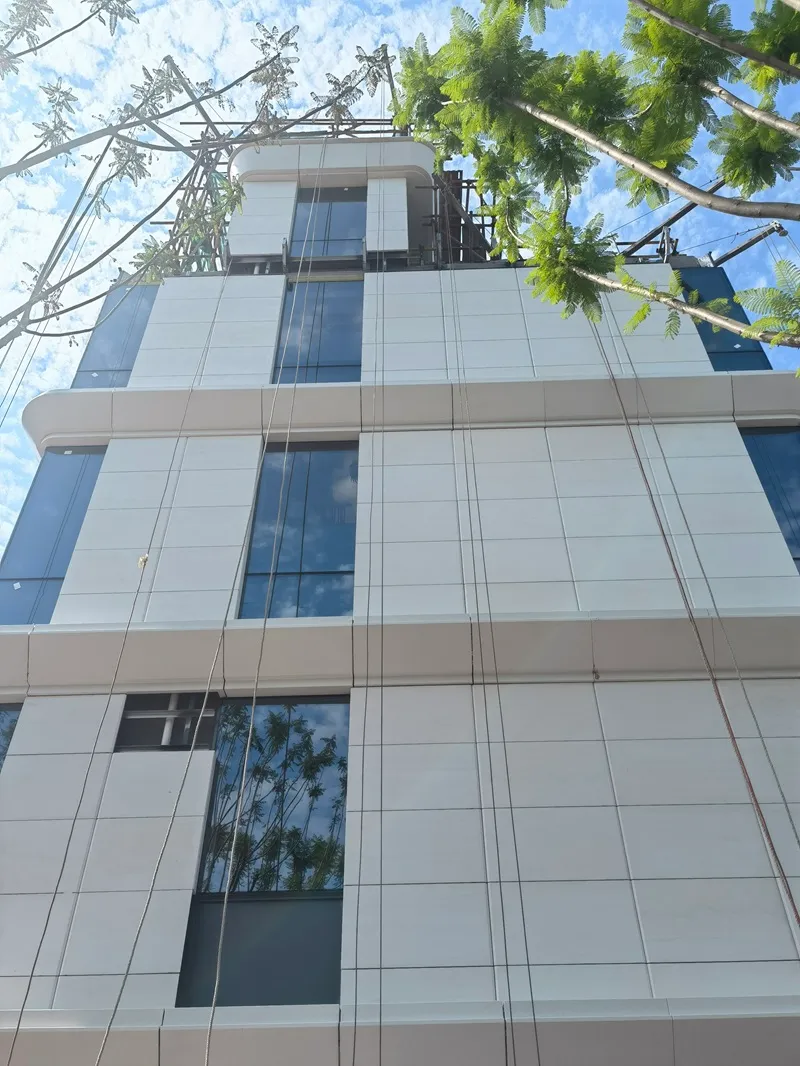
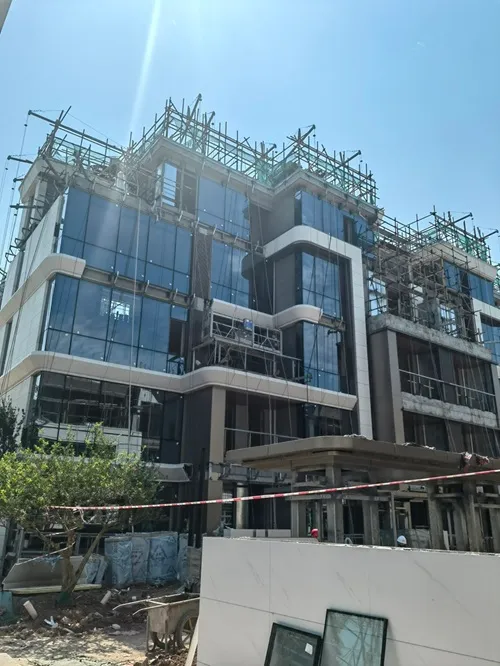
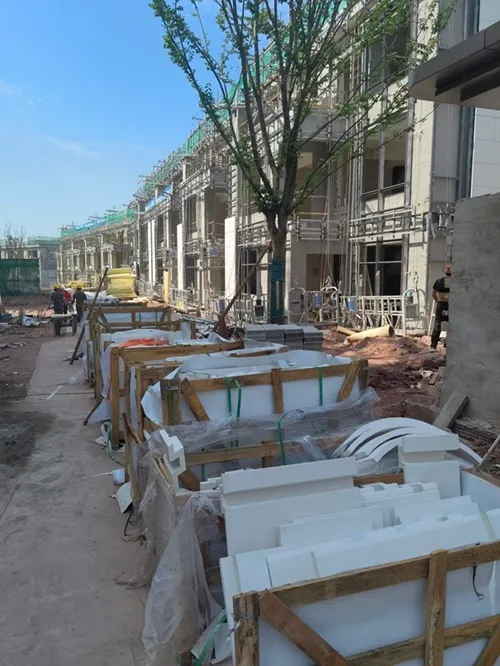
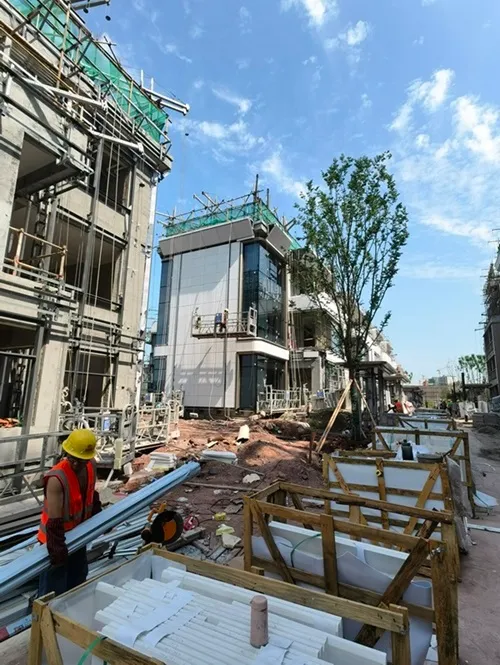
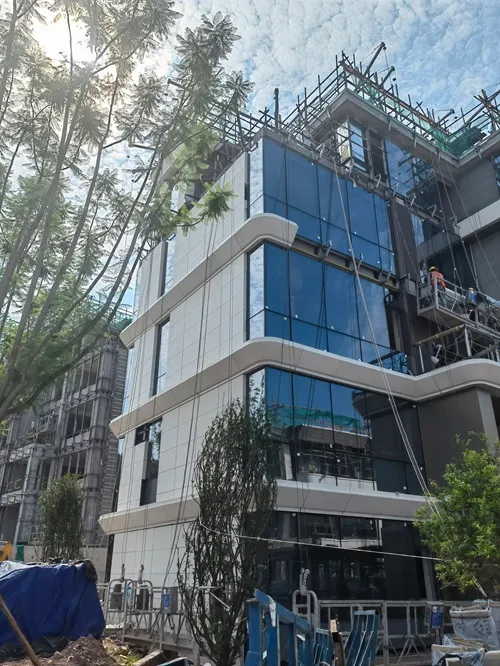
Terrazzo, a composite material traditionally associated with interior flooring, has experienced a significant resurgence as a sophisticated and durable choice for exterior applications, particularly in villa residential facades. Its unique aesthetic and robust performance characteristics make it an increasingly popular material for architects and homeowners seeking a blend of timeless elegance and contemporary functionality.
Modern exterior terrazzo, often referred to as inorganic or hardened terrazzo, is primarily composed of a cementitious binder, aggregates (such as marble, granite, or glass chips), and pigments.
This composition results in a highly durable, monolithic surface. Key variants suitable for exterior use include waterproof terrazzo and hardened stone formulations, which offer enhanced resistance to environmental factors.
Design Considerations and Application
When incorporating terrazzo into a villa facade, several design and technical aspects must be considered:
Panelization and Installation: For exterior use, terrazzo is typically fabricated as prefabricated panels or slabs of custom sizes.
These panels are then installed as a cladding system, ensuring structural integrity and weatherproofing.
Color and Pattern Selection: Exterior colors should consider the local climate and architectural context. Larger aggregate patterns or bold color choices can create striking visual statements, while finer aggregates and neutral tones offer a more subdued, elegant look.
Integration with Other Materials: Terrazzo can be effectively combined with other facade materials such as glass, metal, or wood, creating dynamic and textured architectural compositions.
Performance in High-Traffic Areas: Its inherent strength makes it suitable not only for wall cladding but also for exterior pathways, terraces, or entrance areas adjacent to the facade, ensuring design coherence.