
The Revival of Terrazzo in Modern Office Design
2026-04-26
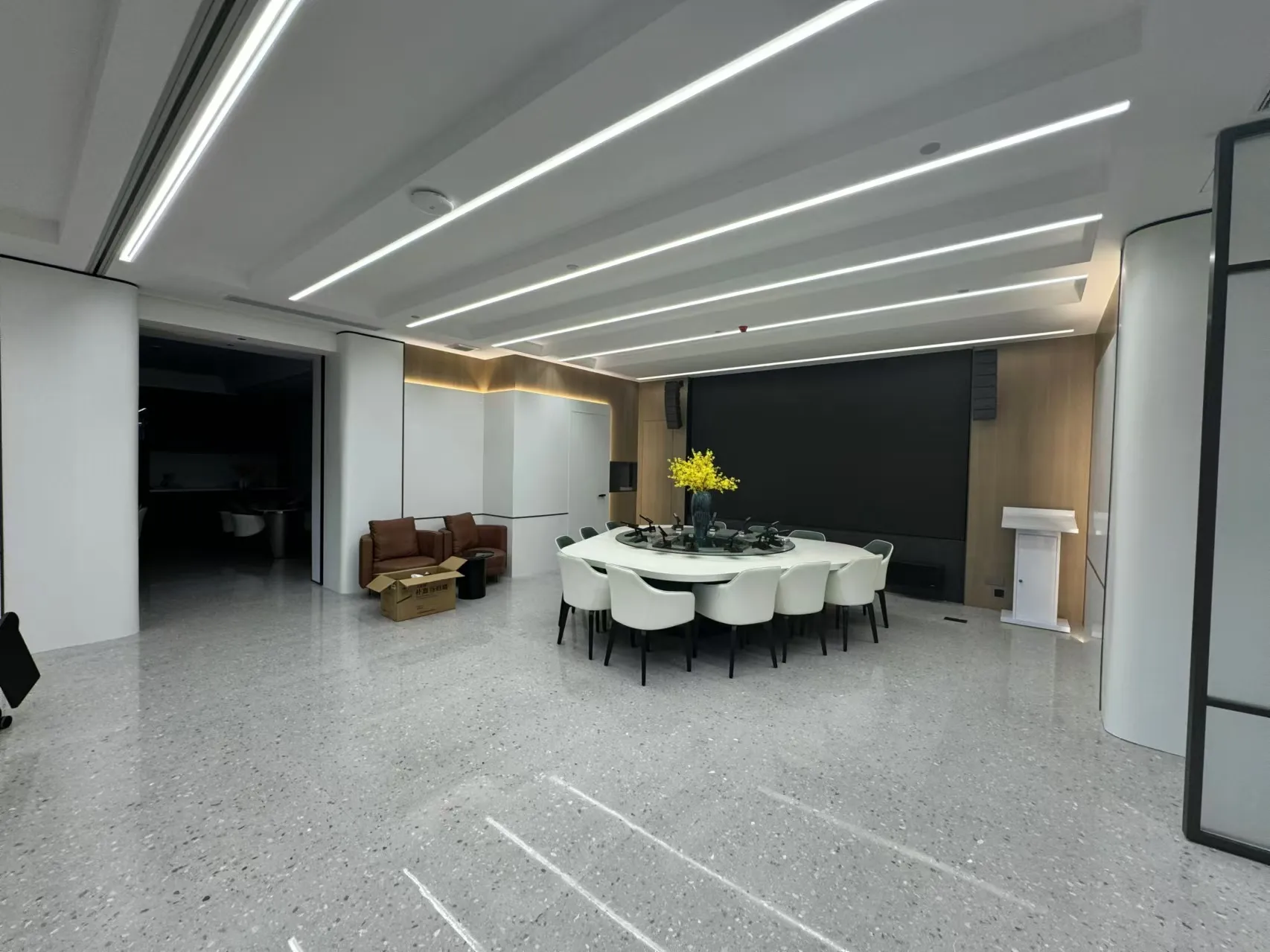
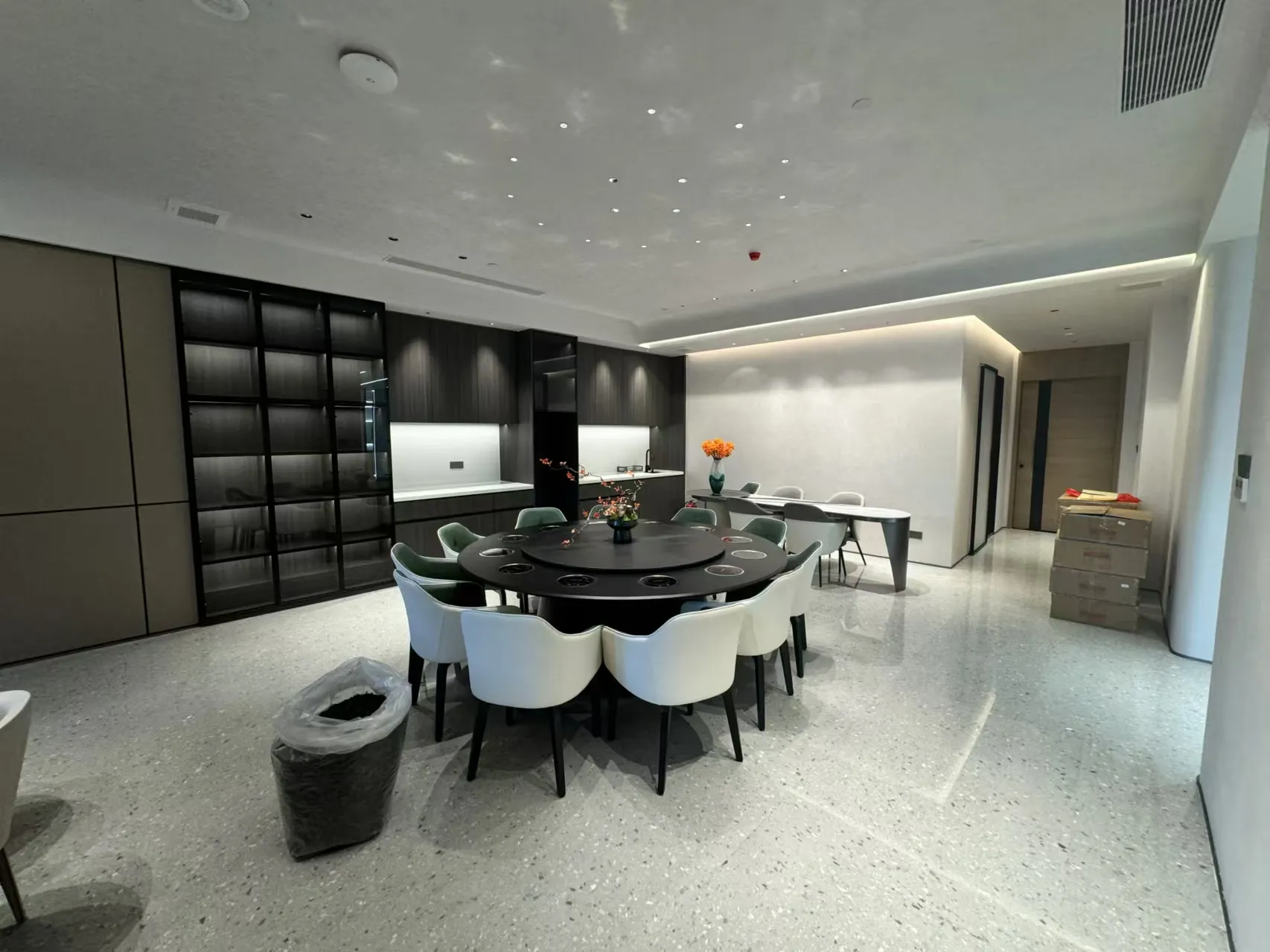
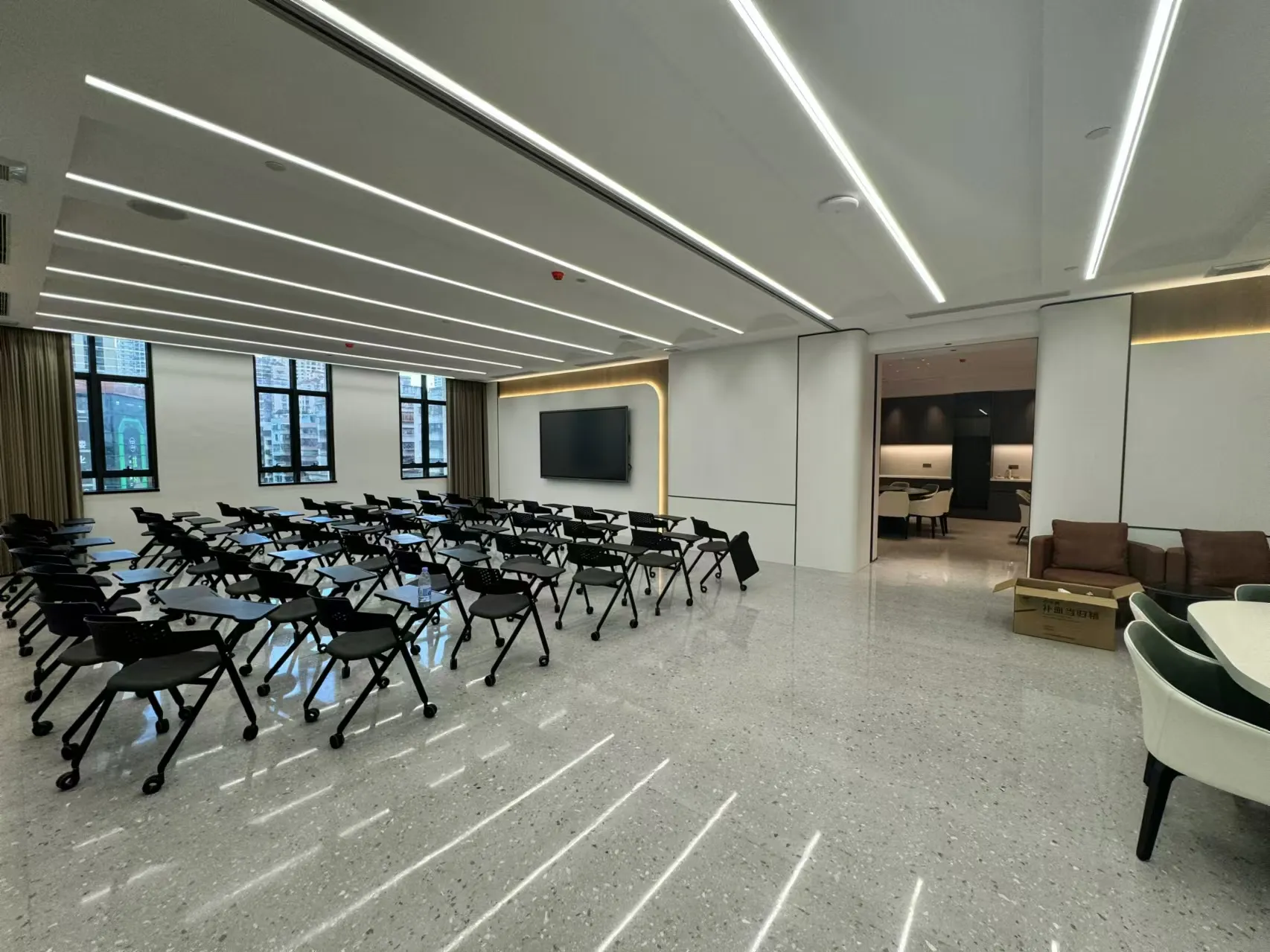
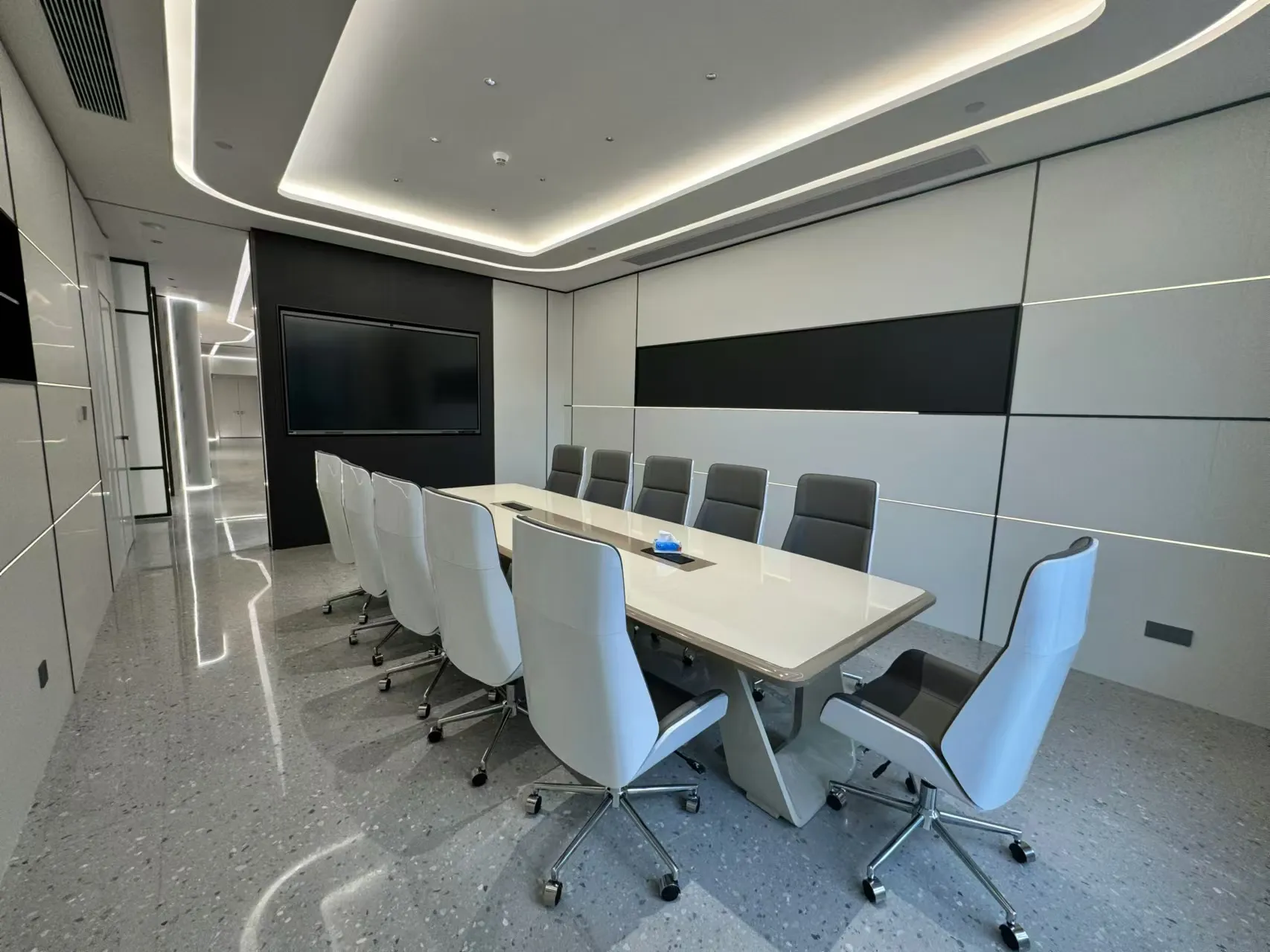
Terrazzo’s defining characteristic is its ability to incorporate a wide array of aggregates—such as marble, granite, glass, or even metal chips—within a cementitious or epoxy binder. This allows for limitless customization in color, pattern, and texture. Designers leverage this flexibility to create seamless, monolithic floors, walls, and even custom furniture elements that establish a cohesive brand identity or foster a specific ambiance
. The material can achieve a sleek, polished finish for a minimalist, high-tech look or a more textured surface for an industrial or creative vibe. Its seamless nature eliminates visual breaks, contributing to a sense of openness and continuity that is highly valued in modern office layouts.
The application of terrazzo in offices extends beyond traditional flooring.
Feature Floors and Pathways: Large-format terrazzo slabs or poured-in-place installations are used to create striking entrance lobbies, main circulation paths, or entire open-plan floors, often with custom patterns or logos embedded.
Wall Cladding and Accents: Terrazzo panels applied to feature walls, reception desks, or column covers add texture and visual interest, enhancing the spatial experience without the complexity of natural stone installation.
Integrated Furniture and Details: The material is being innovatively used for custom-made desk tops, conference table bases, stair treads, and even decorative partitions, promoting a fully integrated design language.