
Terrazzo in Jiangnan Architecture: A Synthesis of Tradition and Modernity
2026-04-27
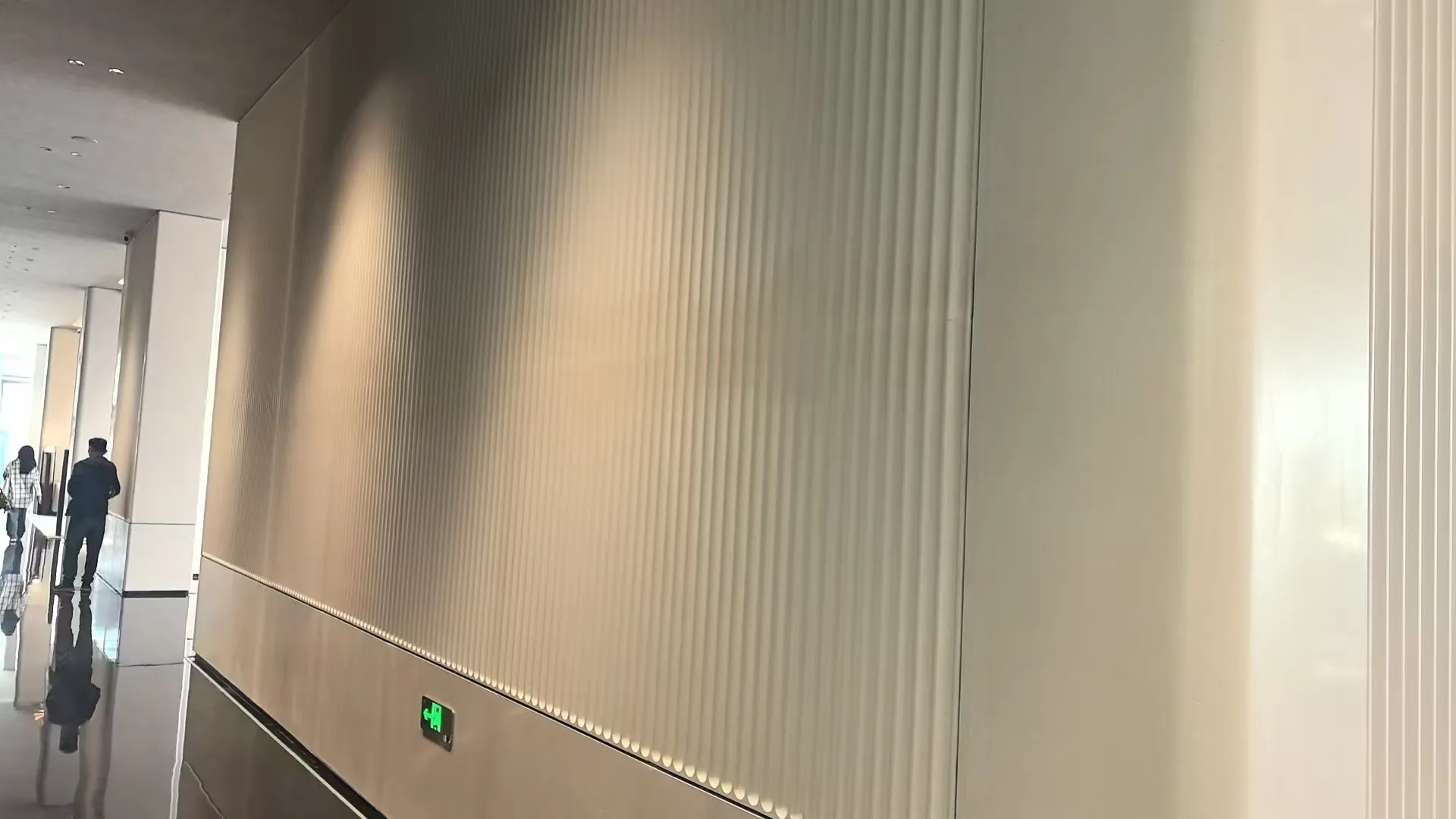
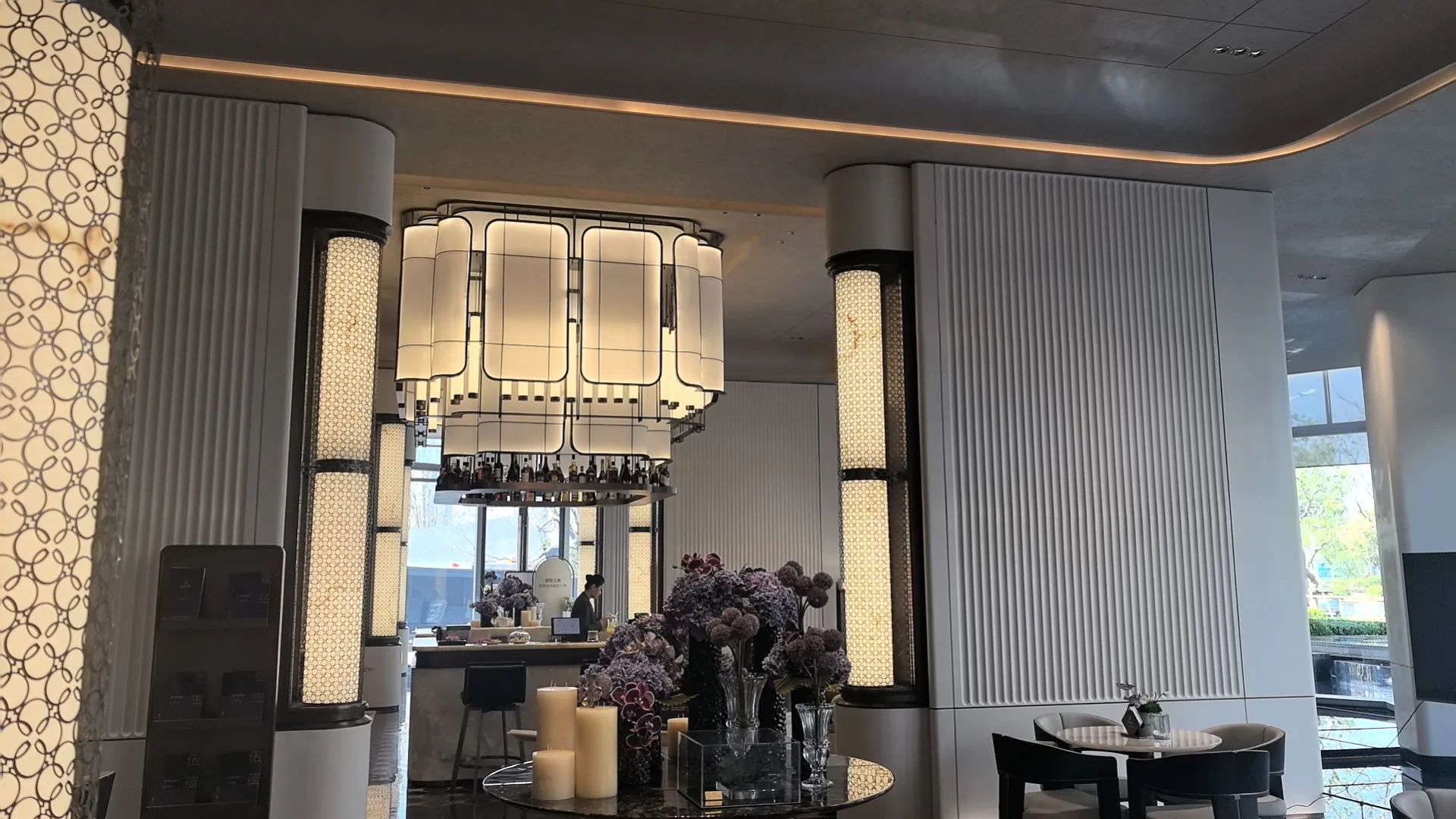
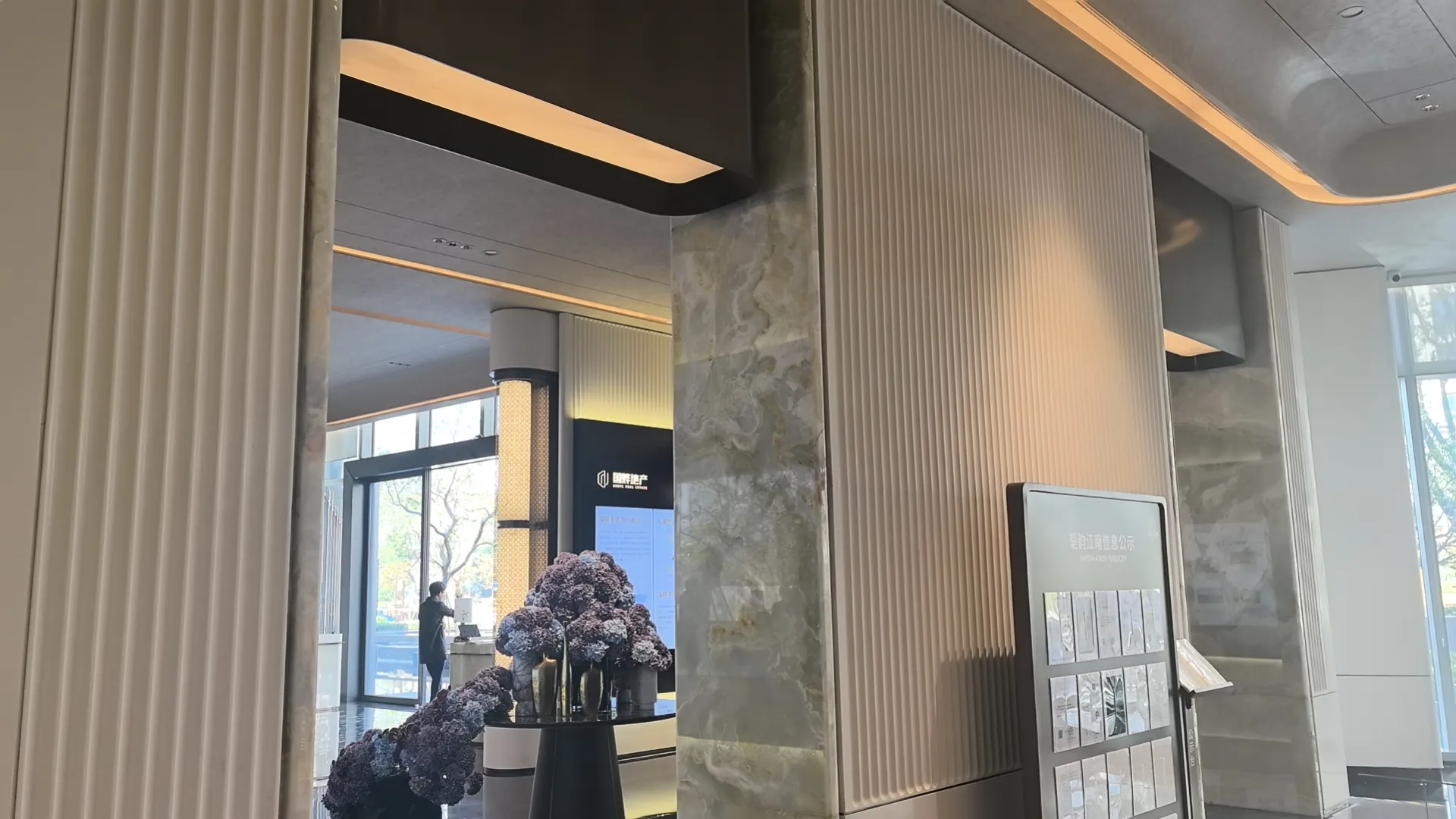
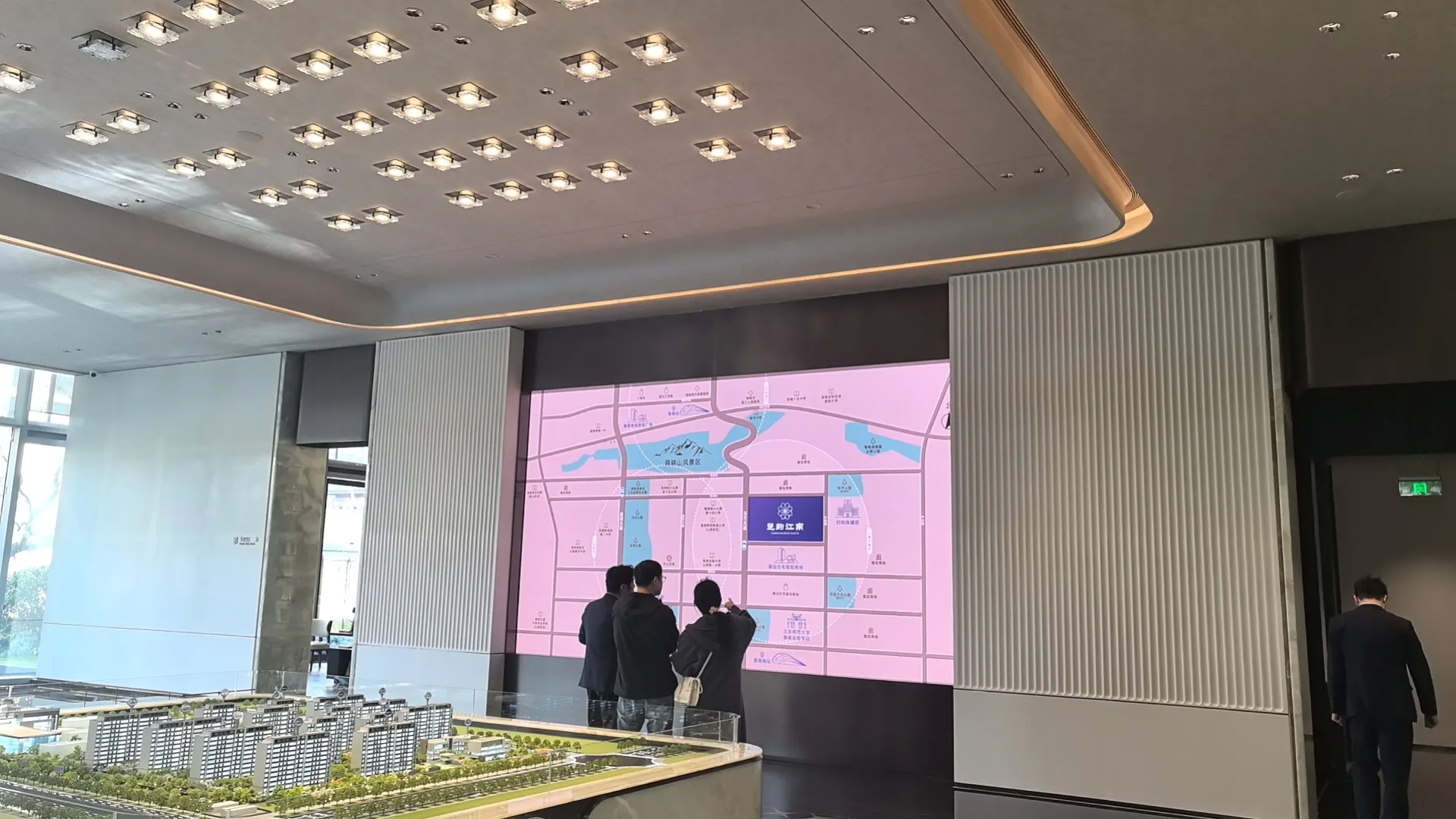
The technique originated in 15th-century Venice, where craftsmen utilized marble fragments with cement for flooring.
It spread globally in the 18th century and entered China during the late Qing Dynasty.
While terrazzo gained nationwide popularity in China from the 1960s to the 1980s, particularly in public buildings like hospitals, schools, and subway stations, its application in Jiangnan developed unique characteristics.
The region's traditional architecture, often featuring courtyards, intricate woodwork, and a focus on harmony with nature, provided a distinct context. In Jiangnan, especially in areas like the Minnan and Chaoshan regions, terrazzo was skillfully integrated into temples, ancestral halls, and traditional residences, showcasing refined craftsmanship that blended with local aesthetic sensibilities.
It was perceived as a high-grade building material during this period.
Terrazzo's properties aligned well with both practical needs and aesthetic preferences in Jiangnan architecture.
Durability and Maintenance: Its high surface hardness,and ease of cleaning made it suitable for high-traffic areas like ground floors, stair treads, and courtyard pathways in traditional complexes, where durability was paramount.
In Jiangnan, this enabled the creation of patterns that complemented local motifs, such as floral designs, geometric patterns echoing lattice windows, or subtle color schemes harmonizing with the region's often gray-tiled roofs and white walls. It could contribute to a sense of flowing space within courtyards and halls.
Environmental Adaptability: Its and characteristics were advantageous in Jiangnan's humid climate.
Terrazzo's application in Jiangnan architecture embodies a dynamic narrative.