
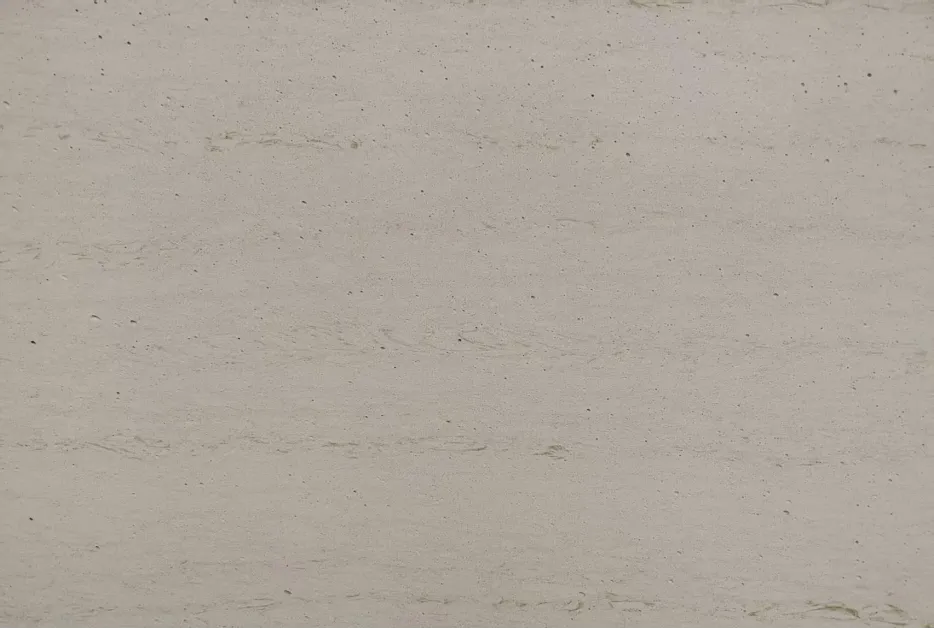
Agarwood Fossil
Product Descriptions
Agarwood fossil, also known as silicified agarwood, is a rare type of petrified wood formed from ancient Aquilaria (agarwood) trees over millions of years.
Around 150 million years ago, ancient agarwood forests were buried by volcanic ash or sediment due to geological events. Isolated from oxygen, the wood resisted decay and gradually underwent permineralization: organic tissues were replaced by silica (SiO₂), preserving cellular structures and wood grain while turning to stone. Over time, iron and manganese oxides impart hues of yellow, red, purple, black, and gray.
- Texture & Grain: Retains distinct agarwood wood grain and growth rings, with a smooth, jade-like luster from opal or chalcedony mineralization.
- Color: Ranges from creamy white to dark brown/black, often with multi-colored bands.
- Rarity: Far rarer than common silicified wood; genuine agarwood fossils are highly sought-after by collectors.
Agarwood fossils bridge botany, geology, and art. They provide clues to ancient climates and ecosystems, while their unique beauty makes them prized for ornamentation and cultural collections.