
Decorative Travertine Introduction
2026-04-28

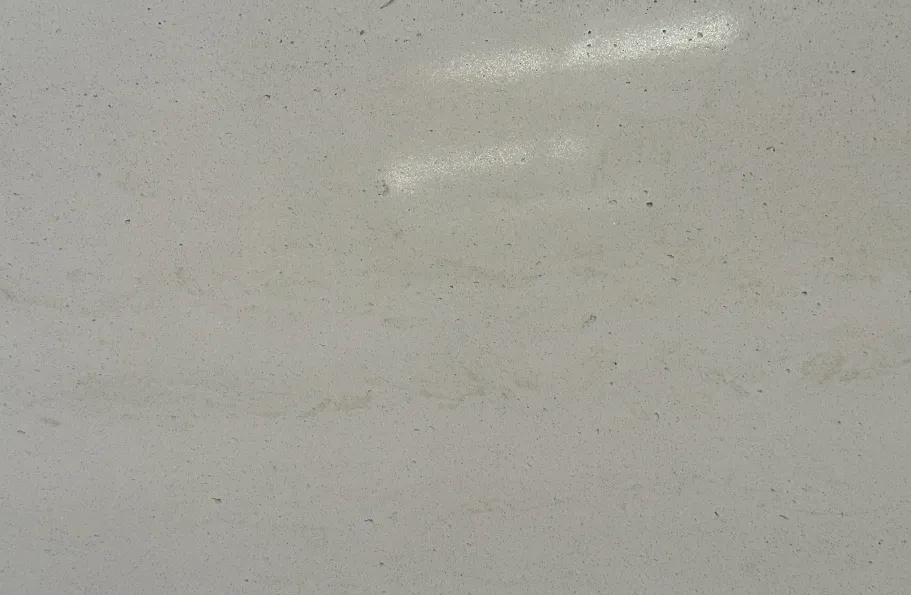
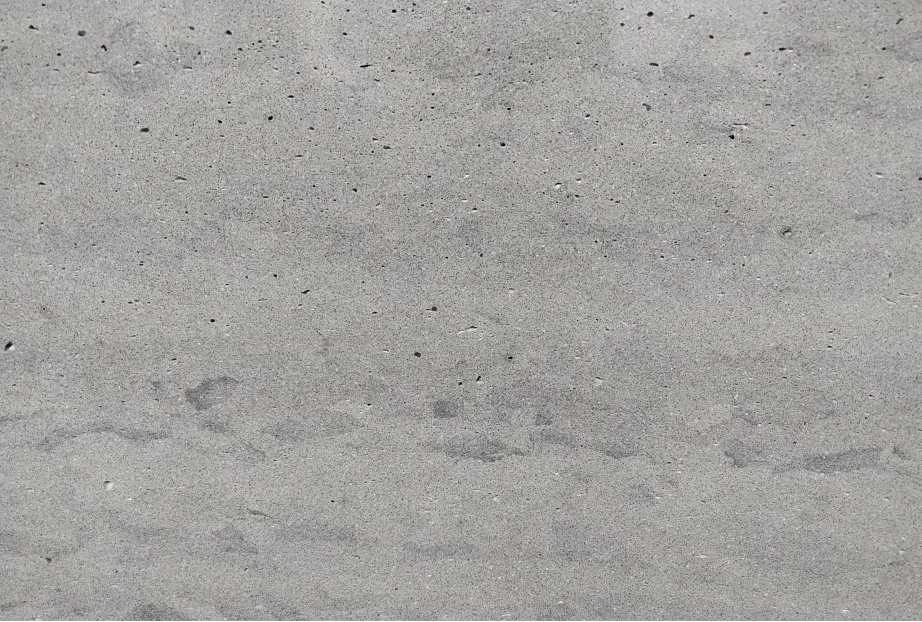
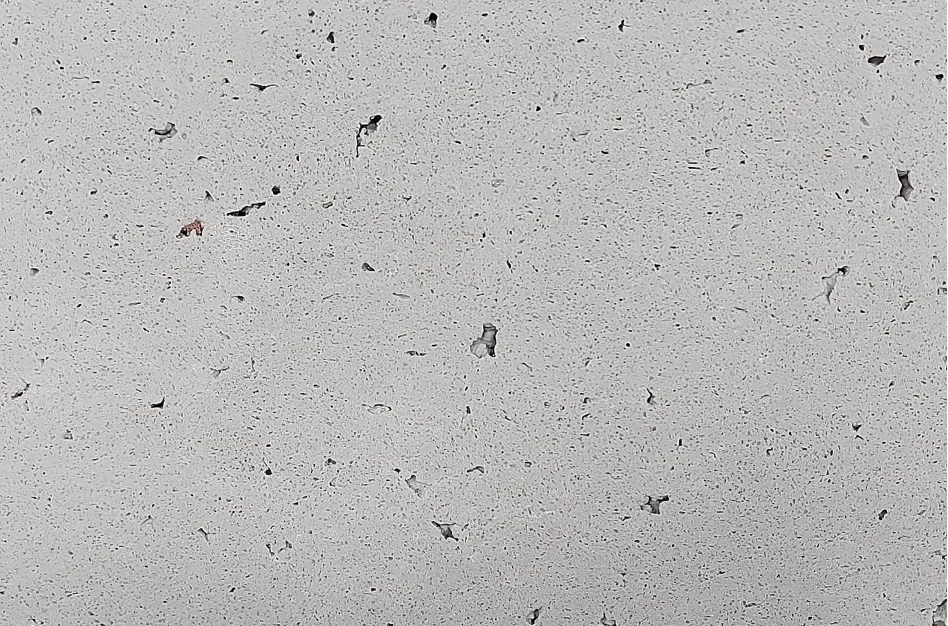
Travertine (also known as travertine limestone or tufa) is a natural porous limestone formed by calcium carbonate precipitation from mineral-rich hot springs or groundwater. It is categorized as a marble variant in the stone industry, distinguished by its unique honeycomb-like voids and warm, earthy aesthetic.
Key Features
- Color: Predominantly beige, cream, white, gold, gray, and brown; subtle tonal variations create a soft, natural look.
- Texture: Characterized by irregular holes and cavities (formed by gas bubbles during formation), with a smooth yet tactile surface.
- Finish Options: Available in natural (rough), polished, honed, and brushed finishes for walls, floors, and facades.
Origin & History
Major sources include Italy (Tivoli), Turkey, Iran, and China (Henan). Used since ancient Roman times—iconic structures like the Colosseum and St. Peter’s Basilica feature travertine, earning it the title "noble stone" in Roman architecture.
Applications
Ideal for interior/exterior walls, flooring, cladding, countertops, and decorative accents. Its porous structure offers natural sound absorption, making it popular for acoustic spaces. Modern projects (e.g., Bank of China Tower, Shanghai IFC) use it for a blend of timeless elegance and contemporary design.
Advantages
- Timeless Aesthetic: Combines rustic charm with refined luxury.
- Durability: Resists weathering and aging; develops a rich patina over time.
- Versatility: Suits classic, minimalist, and wabi-sabi design styles.
- Eco-Friendly: Natural, recyclable, and breathable material.