
Petrified Wood: Introduction, Uses and Application Cases
2026-04-28
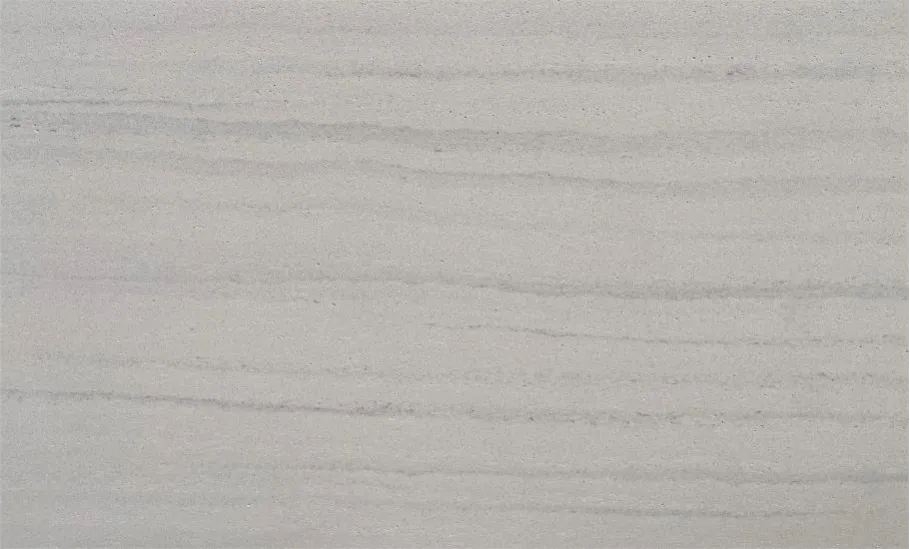



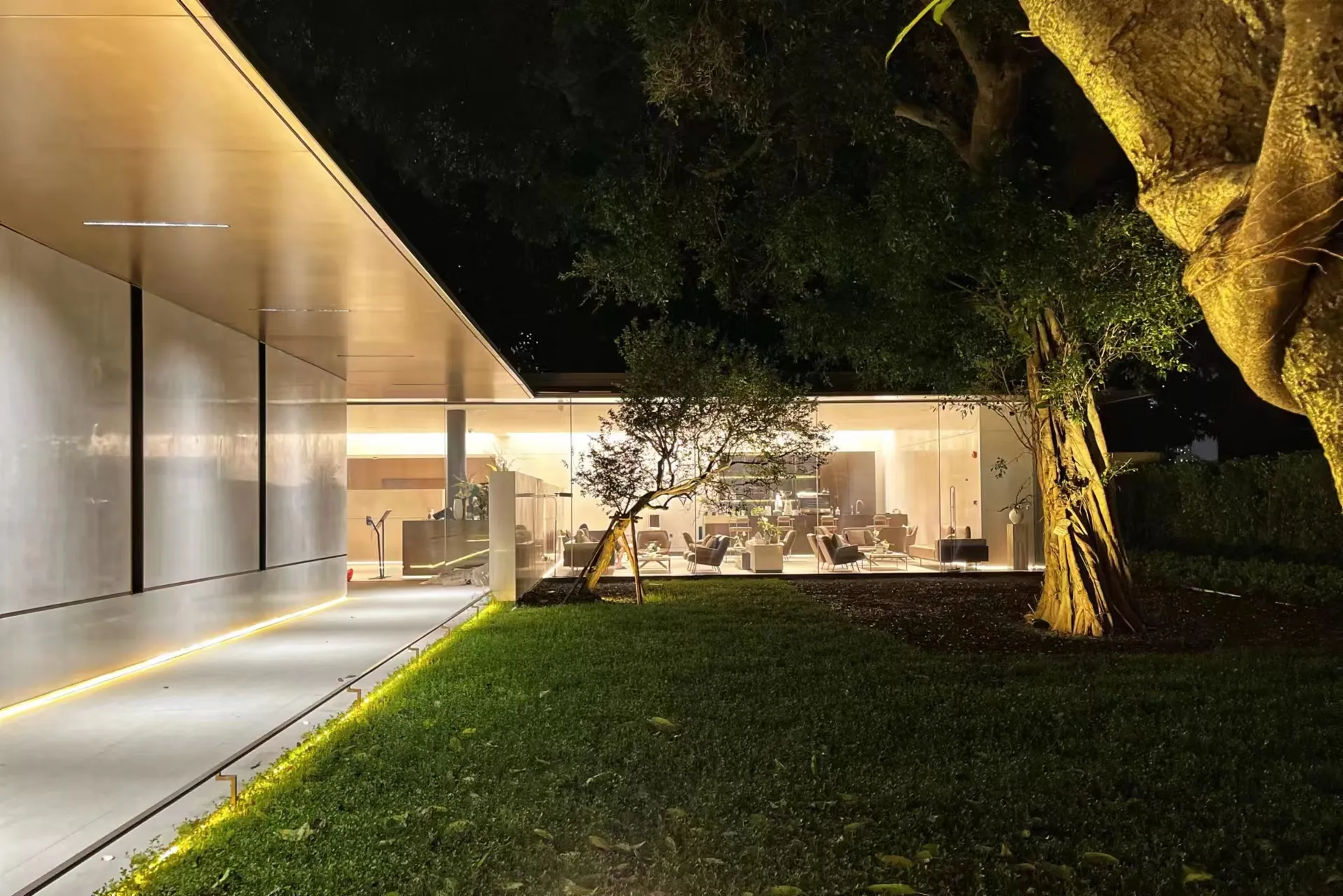
Petrified wood, literally "wood turned into stone", is a special type of fossilized wood formed through permineralization and replacement over millions of years. It forms when ancient trees (e.g., conifers, cycads, ginkgoes) are rapidly buried by volcanic ash, sediment or mud, cutting off oxygen and slowing decay . Mineral-rich groundwater (mostly silica) seeps into the wood’s pores, gradually replacing organic matter with minerals like quartz, agate, opal, or jasper. The result is a stone that retains the original wood structure—tree rings, cell patterns, and even bark details—with colors ranging from earthy yellows, browns, and reds to vivid blues, purples, and greens, depending on trace minerals .
Key Functions & Significance
1. Scientific Value
- Paleoclimate Research: Tree rings in petrified wood reveal ancient temperature, rainfall, and seasonal changes, helping reconstruct past climates.
- Evolution & Paleoecology: Preserves cellular details of prehistoric plants, tracing the evolution of trees and reconstructing ancient ecosystems.
- Geological Evidence: Indicates volcanic activity, sedimentary processes, and tectonic shifts, dating geological formations.
2. Decorative & Aesthetic Value
- Unique textures, colors, and natural wood-grain patterns make it a premium decorative material.
- High durability (hard as stone) and polishable surface enhance its ornamental appeal .
3. Cultural & Metaphysical Value
- Used in ancient cultures for tools, construction, and rituals (e.g., Ancestral Puebloan buildings).
- In modern holistic practices, it is believed to promote grounding, stability, and emotional balance.
4. Economic Value
- Serves as a high-end material for furniture, jewelry, and art, supporting a global lapidary and craft industry.
Application Cases
1. Architectural & Interior Design
- Tabletops & Countertops: Large, polished slabs of petrified wood are crafted into luxury dining tables, coffee tables, and kitchen countertops, blending natural history with modern design.
- Decorative Accents: Bookends, clock faces, wall panels, and sculptures made from petrified wood add a unique, earthy touch to homes and museums.
- Flooring & Tiles: Smaller pieces are cut into tiles for feature walls or flooring in high-end resorts and boutique spaces.
2. Jewelry & Lapidary Art
- Cabochons & Beads: Polished slices of petrified wood (especially agatized or opalized varieties) are cut into cabochons, beads, and pendants for necklaces, bracelets, and rings.
- Carvings: Artisans carve intricate figurines, animals, and reliefs from solid petrified wood blocks, highlighting its natural grain and color variations.
3. Museum & Exhibition Displays
- Fossil Exhibits: Whole petrified logs or cross-sections are displayed in natural history museums (e.g., Petrified Forest National Park, Arizona) to showcase ancient forests and educate visitors about Earth’s history.
- Educational Tools: Thin, polished slides are used in schools and universities to study plant cell structures and fossilization processes under microscopes .
4. Historical & Cultural Heritage
- Ancient Construction: The Ancestral Puebloan people built structures like the Agate House Pueblo near Petrified Forest National Park using petrified wood, leveraging its durability and availability.
- Landmark Geoparks: Sites like Greece’s Lesbos Petrified Forest (a UNESCO Global Geopark) and Argentina’s Cerro Cuadrado Petrified Forest preserve vast petrified wood formations as cultural and natural heritage attractions.
5. Industrial & Innovative Uses
- Ceramic Research: Scientists simulate petrification to develop high-strength ceramic materials for aerospace and construction, inspired by wood’s natural structure and mineral replacement.
- Healing & Wellness: In New Age practices, petrified wood is used in crystal healing layouts and meditation spaces for its calming, grounding energy.
Conclusion
Petrified wood is a remarkable fusion of natural history, art, and science. As a fossil, it unlocks secrets of ancient climates and ecosystems; as a material, it graces luxury interiors, jewelry, and museums with its timeless beauty. From prehistoric forests to modern living spaces, petrified wood remains a captivating link between Earth’s distant past and human creativity.