
Terrazzo: The Public Reading Space Reimagined
2026-05-06
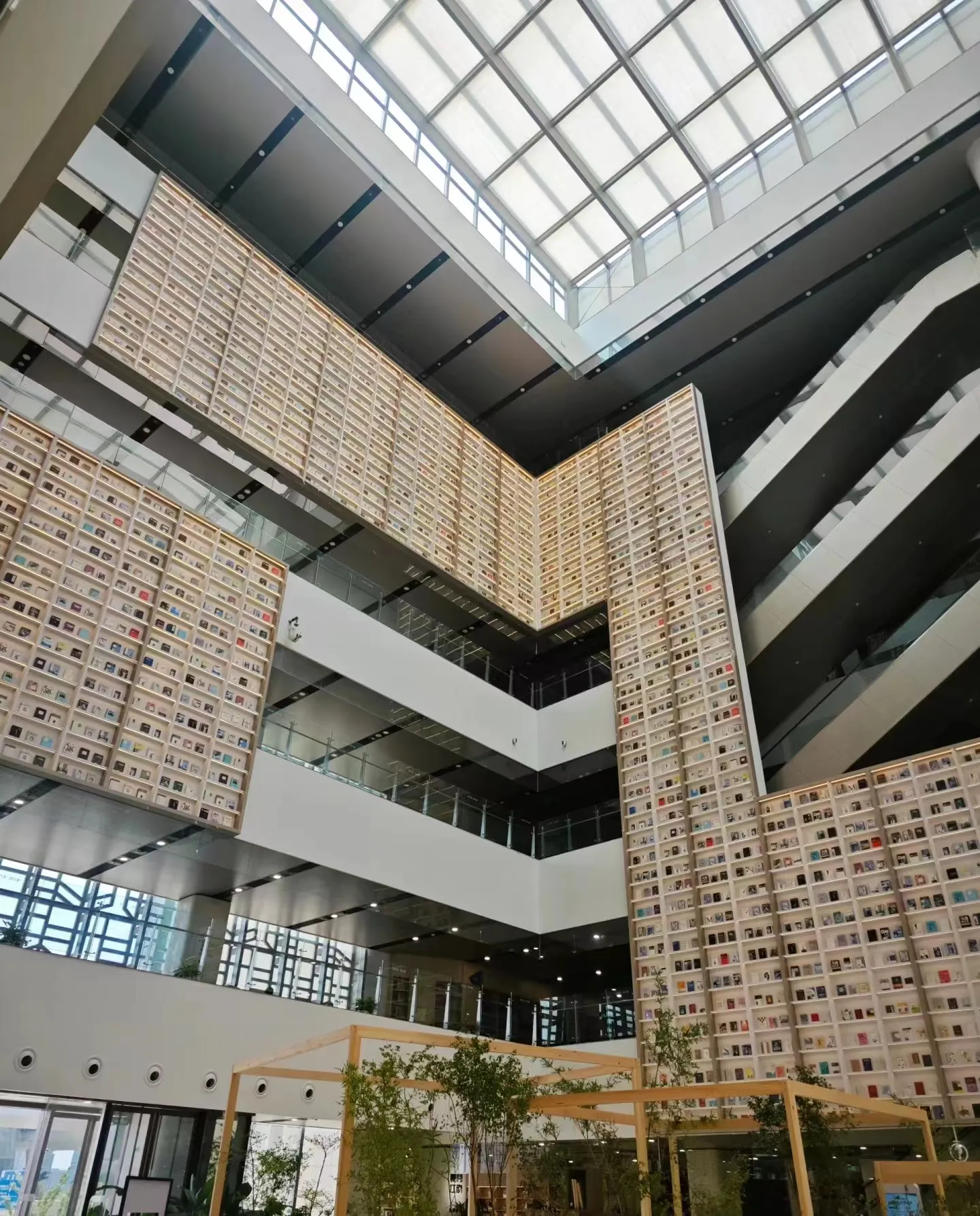
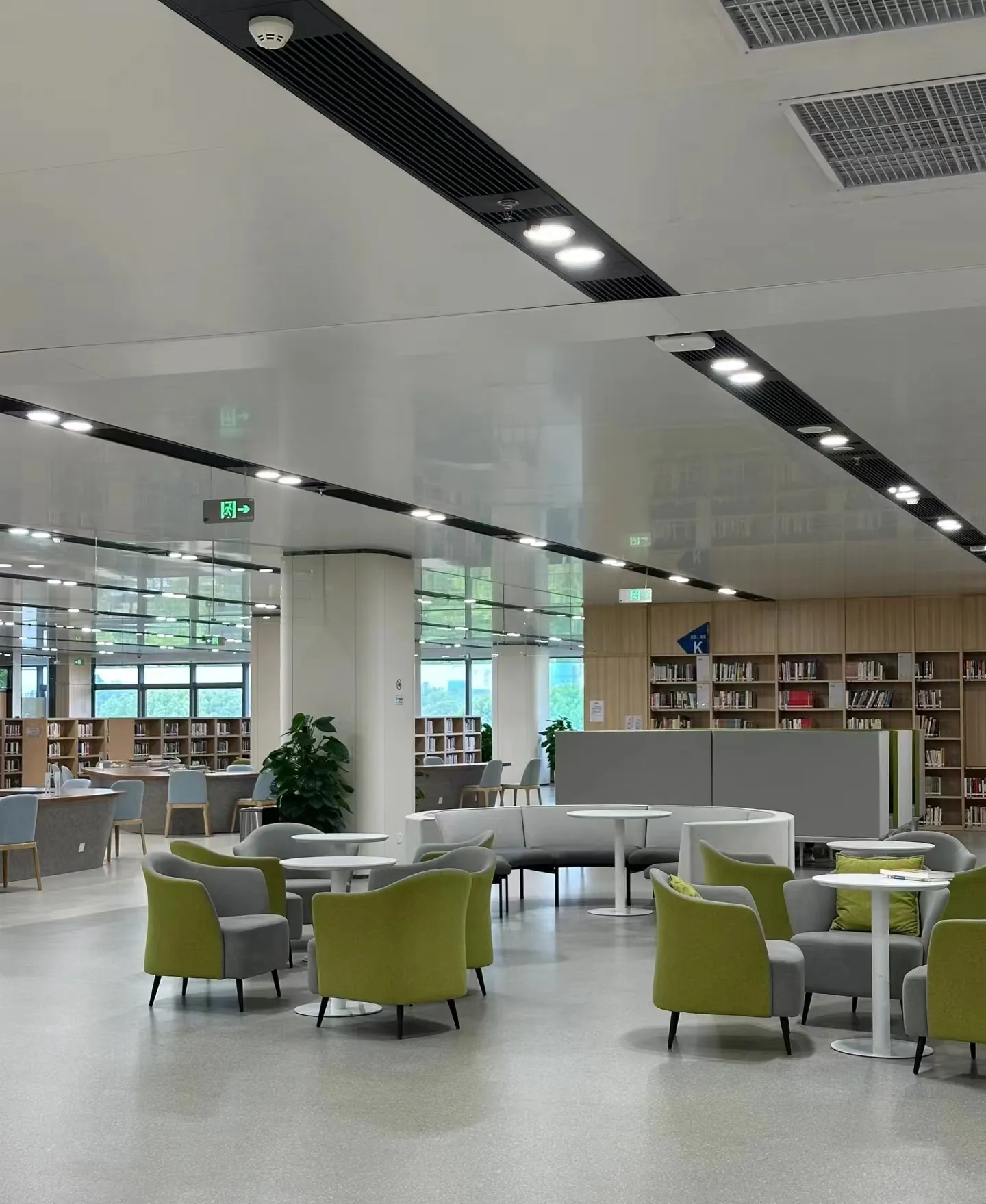
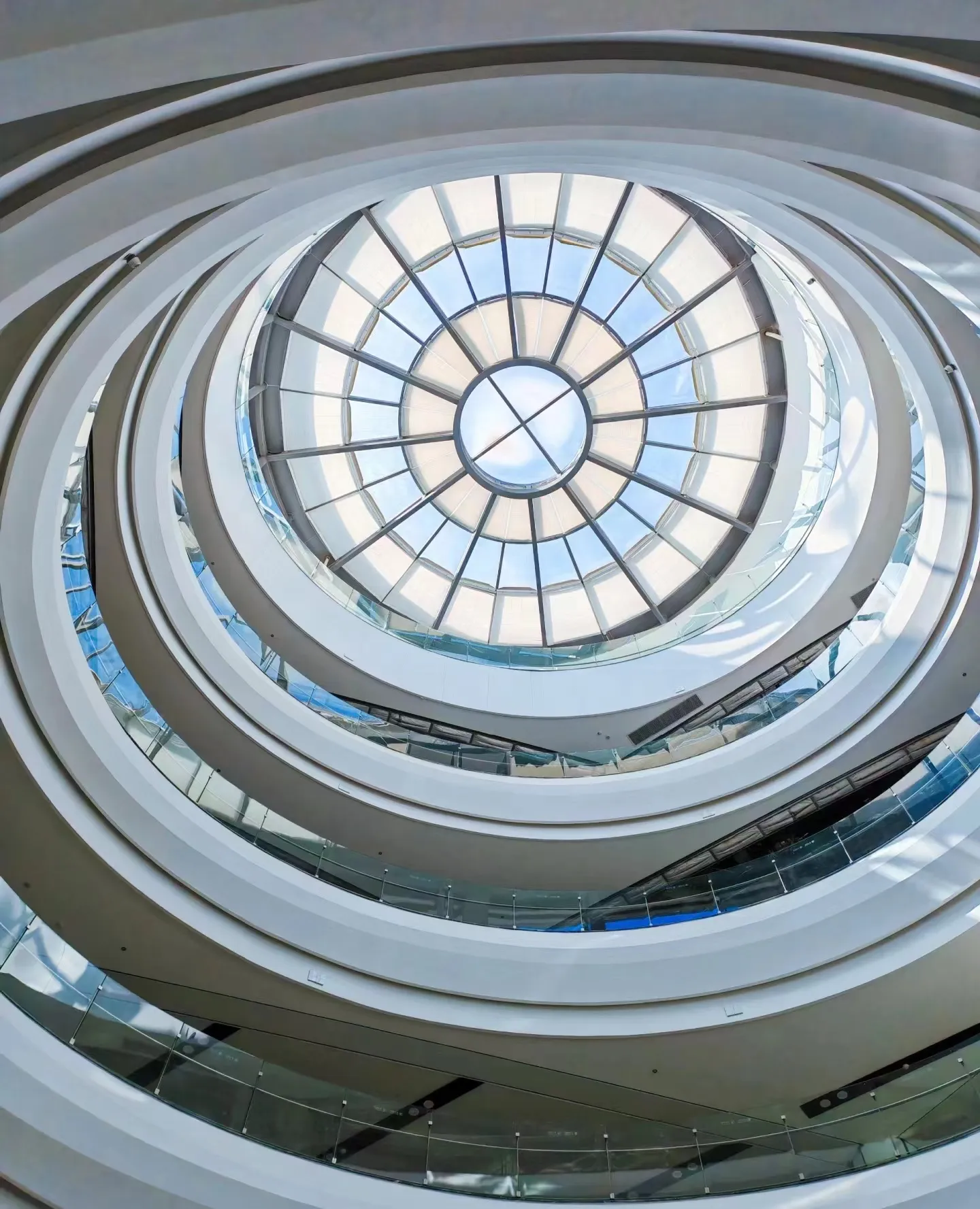
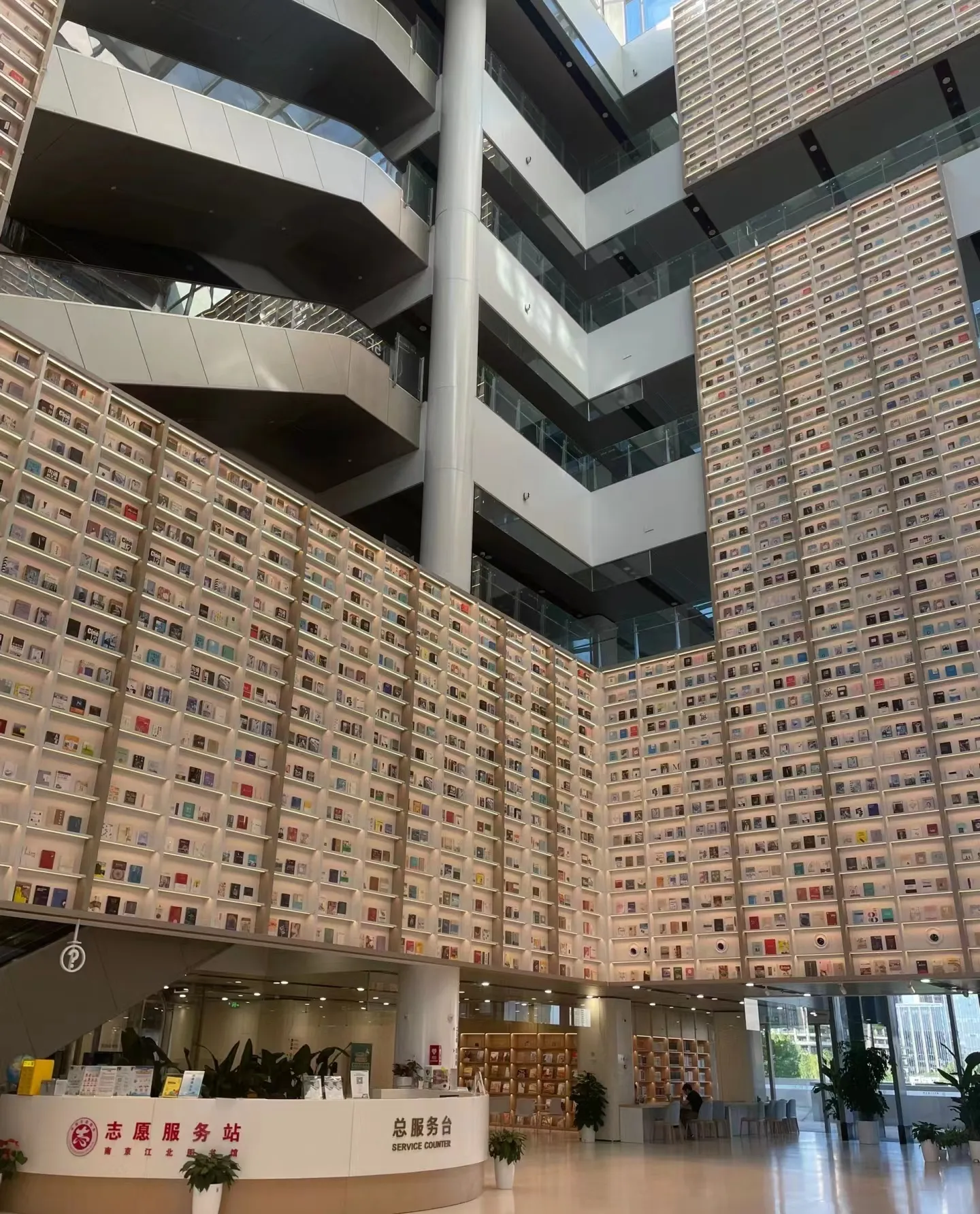
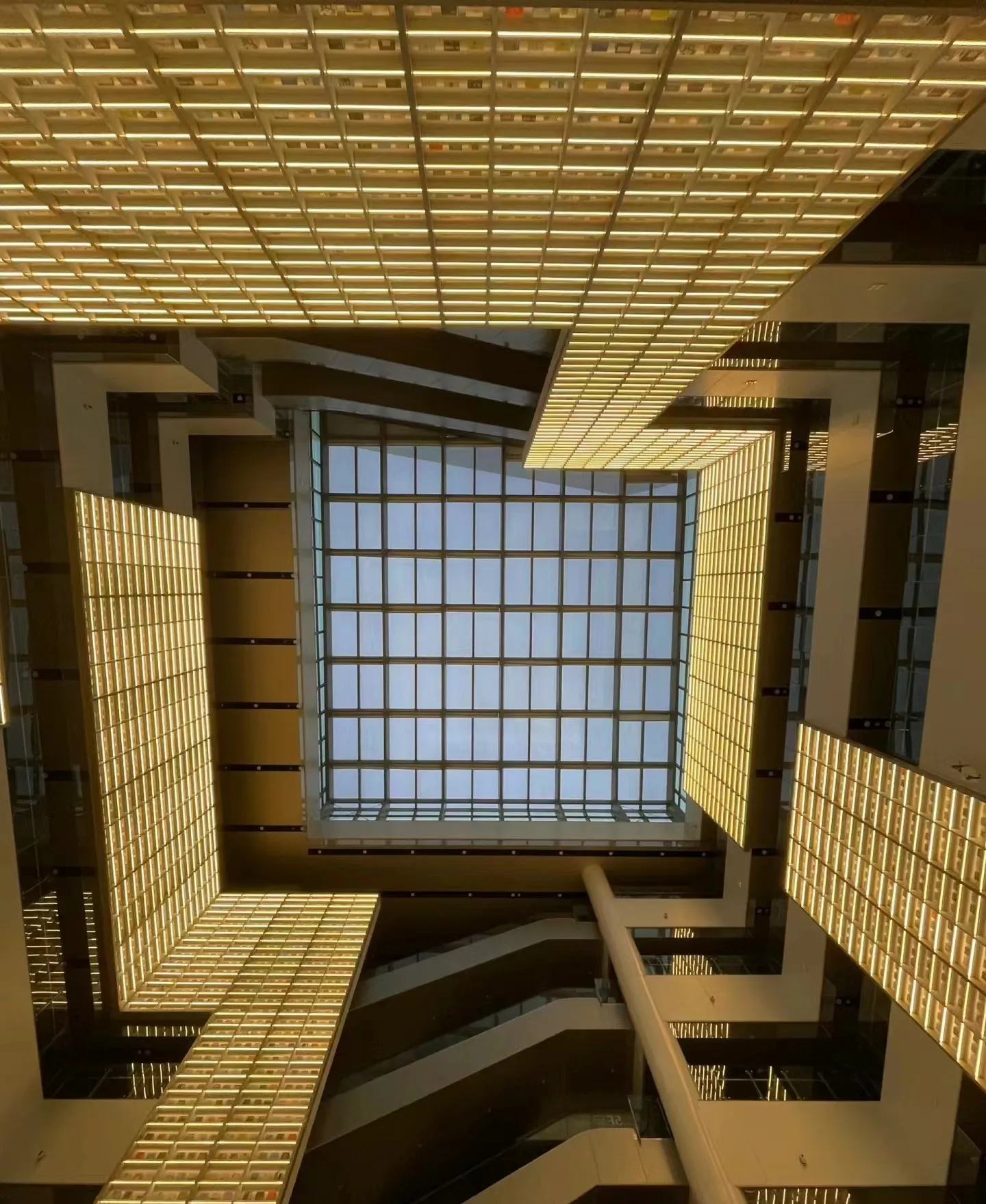
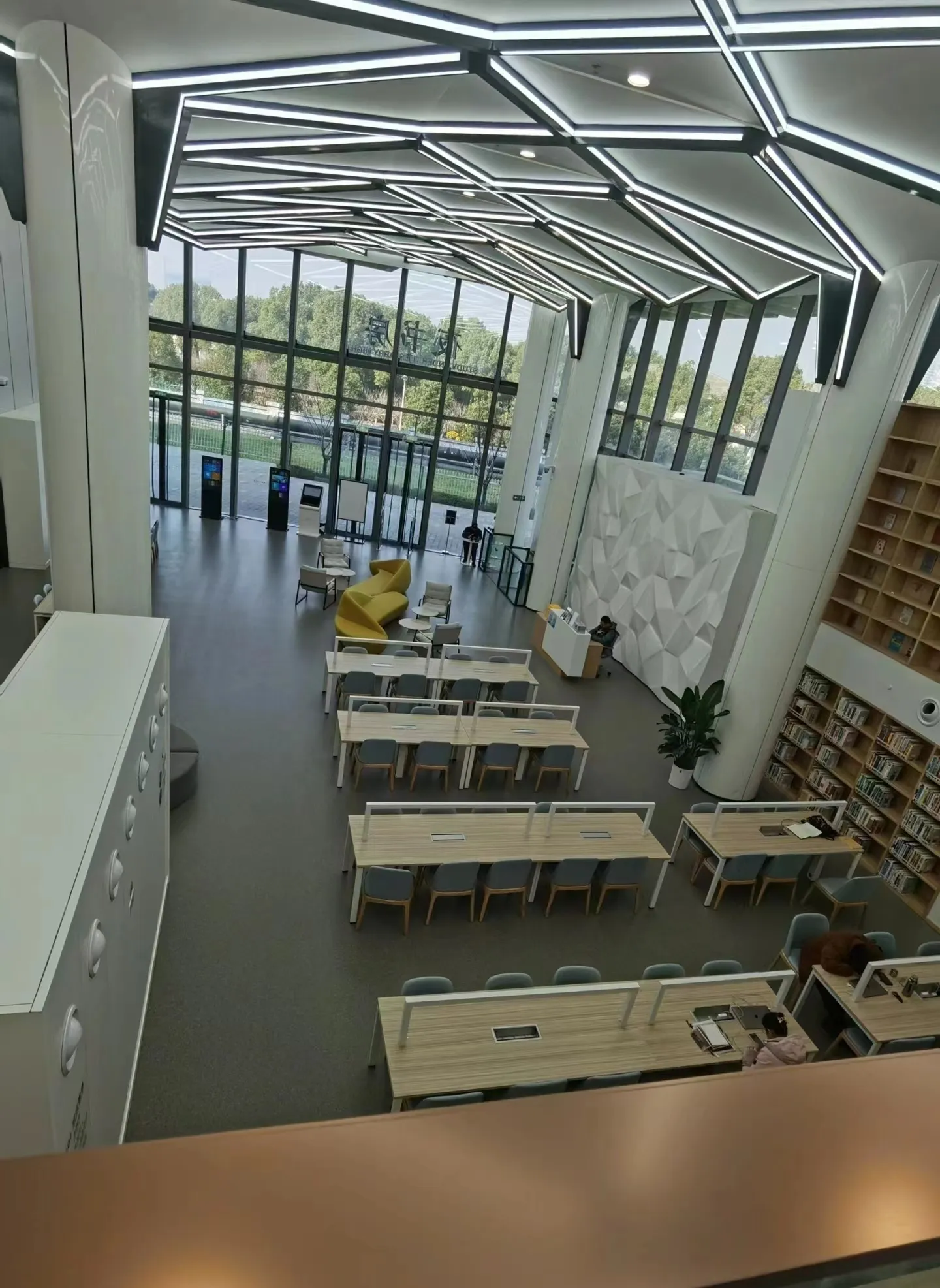
In the realm of public architecture and interior design, the quest for spaces that are both aesthetically inspiring and functionally enduring is perpetual. Terrazzo, a composite material with centuries-old origins, has re-emerged as a premier choice for crafting contemporary public reading environments. Its unique blend of durability, aesthetic versatility, and sustainable qualities makes it exceptionally suited for libraries, educational atriums, and community reading lounges.
A Foundation of Elegance and Durability
Terrazzo flooring, formed from a mixture of cement or epoxy binders and chips of marble, quartz, granite, or glass, provides an exceptionally smooth and polished finish . This seamless surface is not merely a visual asset but a practical one. Its non-porous nature makes it easy to clean and resistant to stains, an essential feature for high-traffic public areas where maintenance must be minimal yet effective. The inherent strength and resilience of terrazzo ensure it can withstand the constant flow of visitors, preserving its elegant appearance for decades with minimal wear.
Sustainable and Sensory Benefits
Aligning with modern values, terrazzo is an environmentally conscious choice. It frequently incorporates recycled materials as aggregates and, due to its longevity, reduces the need for frequent replacements . The material's thermal mass can also contribute to energy efficiency in buildings. From a sensory perspective, the smooth, cool surface underfoot and the subtle, refined texture contribute to a serene and sophisticated ambiance, elevating the simple act of reading into a more refined experience.
The Ideal Setting for Collective Learning
The application of terrazzo extends beyond flooring to include countertops, staircases, and decorative wall panels, creating a cohesive and harmonious design language throughout a public reading space . Its neutral yet elegant base complements both traditional wood shelving and modern furniture, allowing collections and readers to remain the focal point . The resulting environment is one that balances quiet dignity with inviting warmth—a space that is both monumental in its permanence and intimate in its detail.
In conclusion, terrazzo represents an intelligent synthesis of form and function for public reading spaces. It delivers the durability required for shared public infrastructure while offering the aesthetic depth necessary to inspire contemplation and learning. By choosing terrazzo, institutions invest in a timeless foundation that enhances the overall value and character of the community spaces they cultivate.