
The Craftsmanship of White Travertine: Shaping Nature's Elegance
2026-05-07
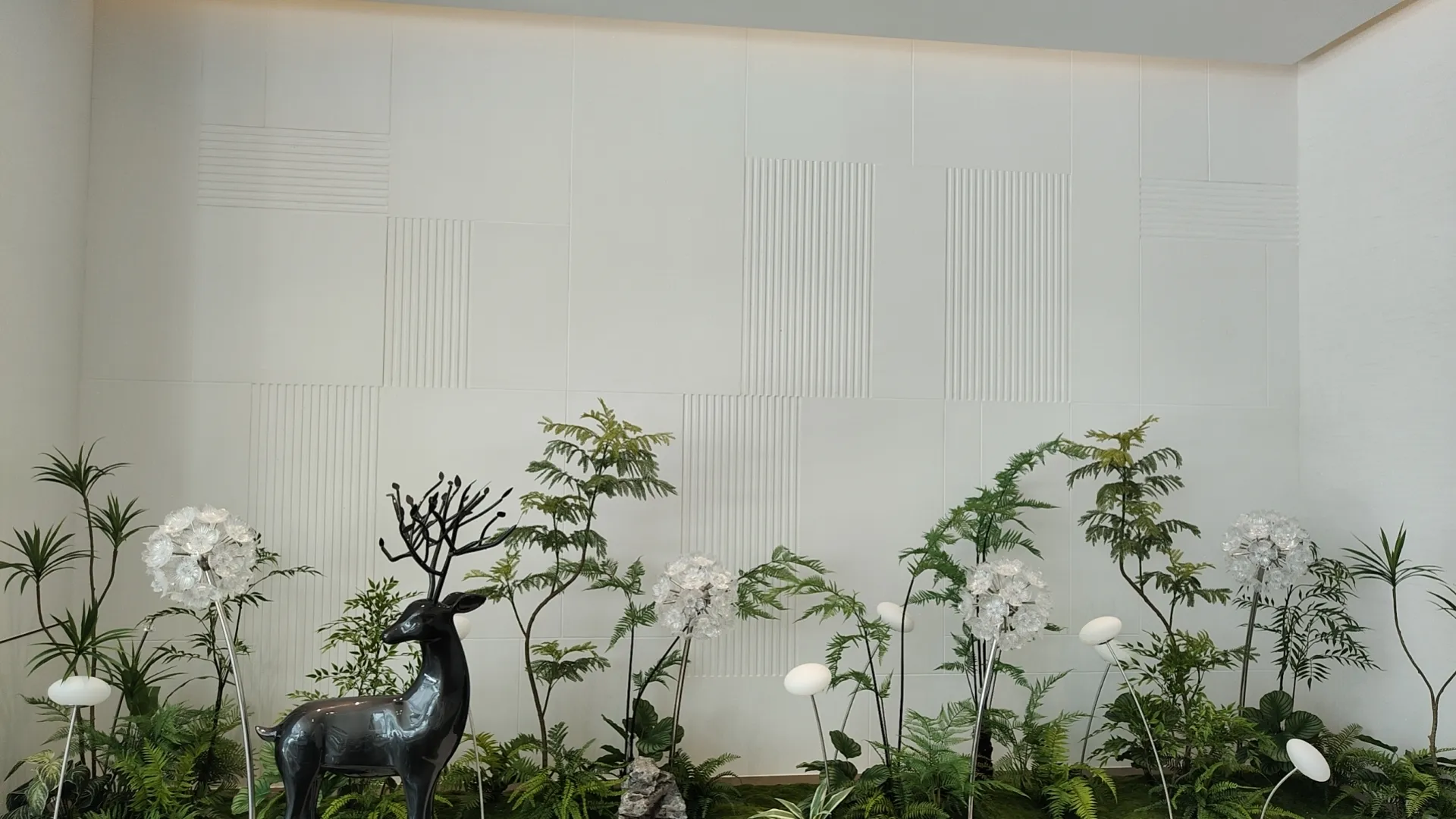
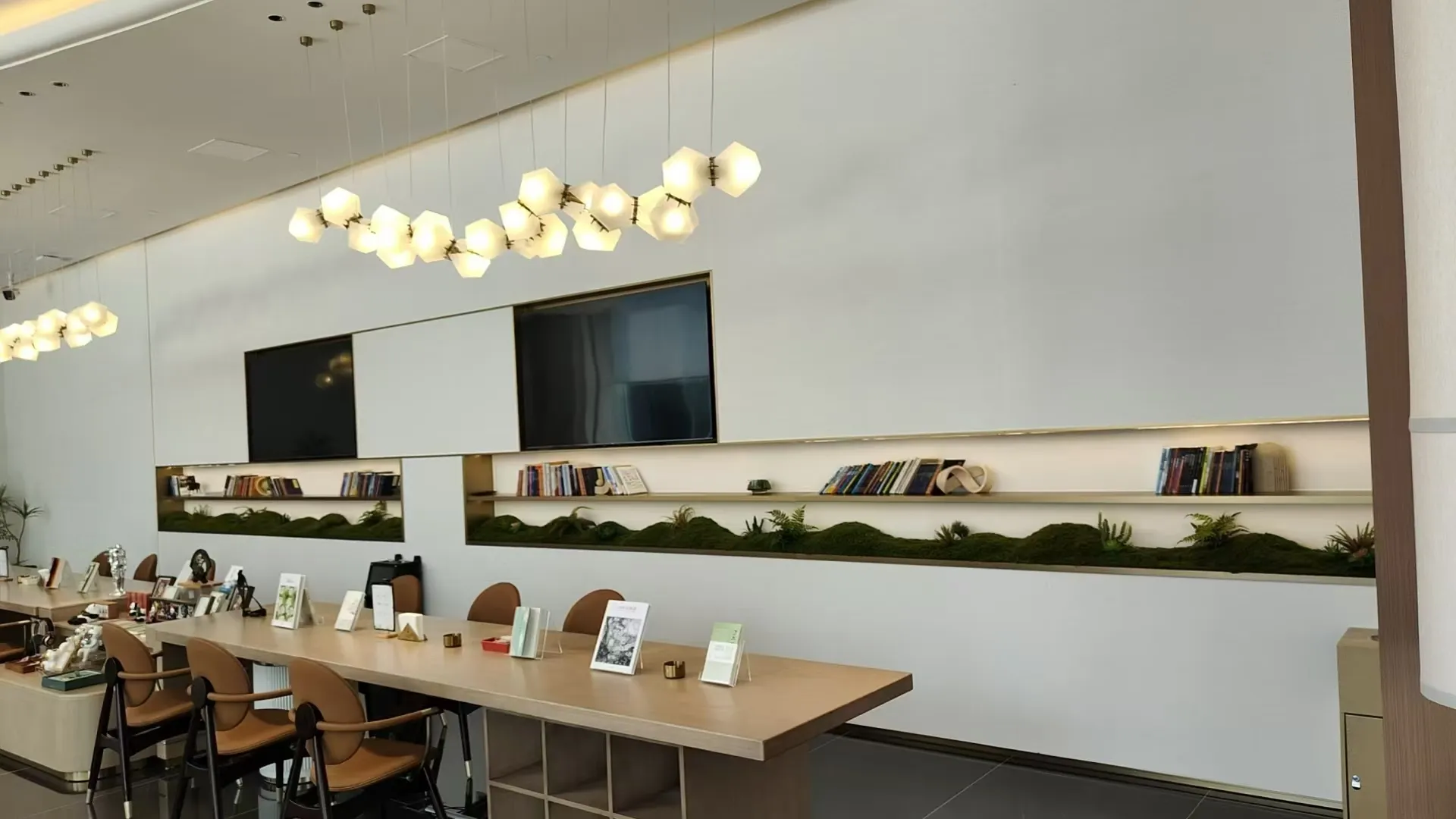
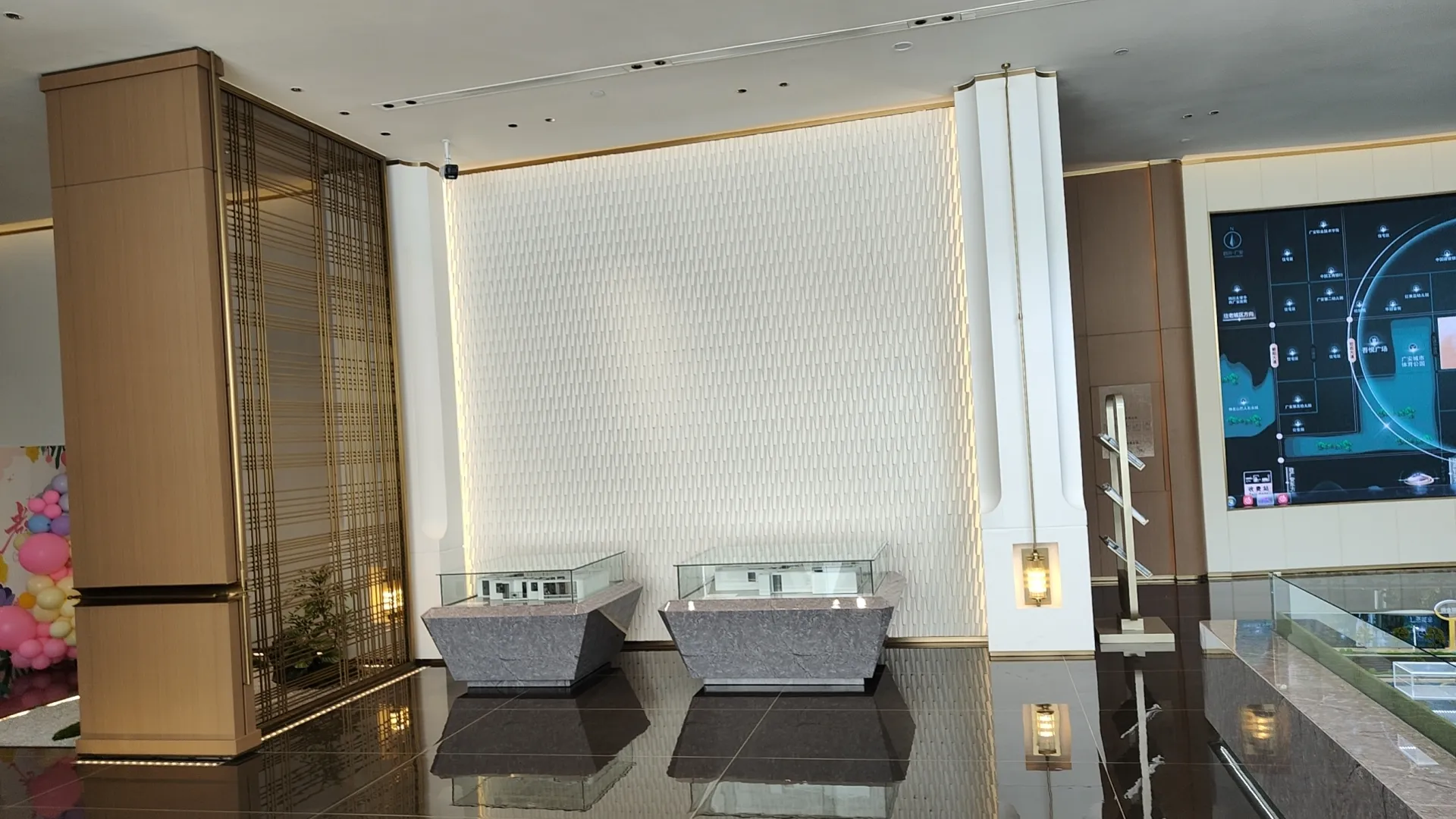
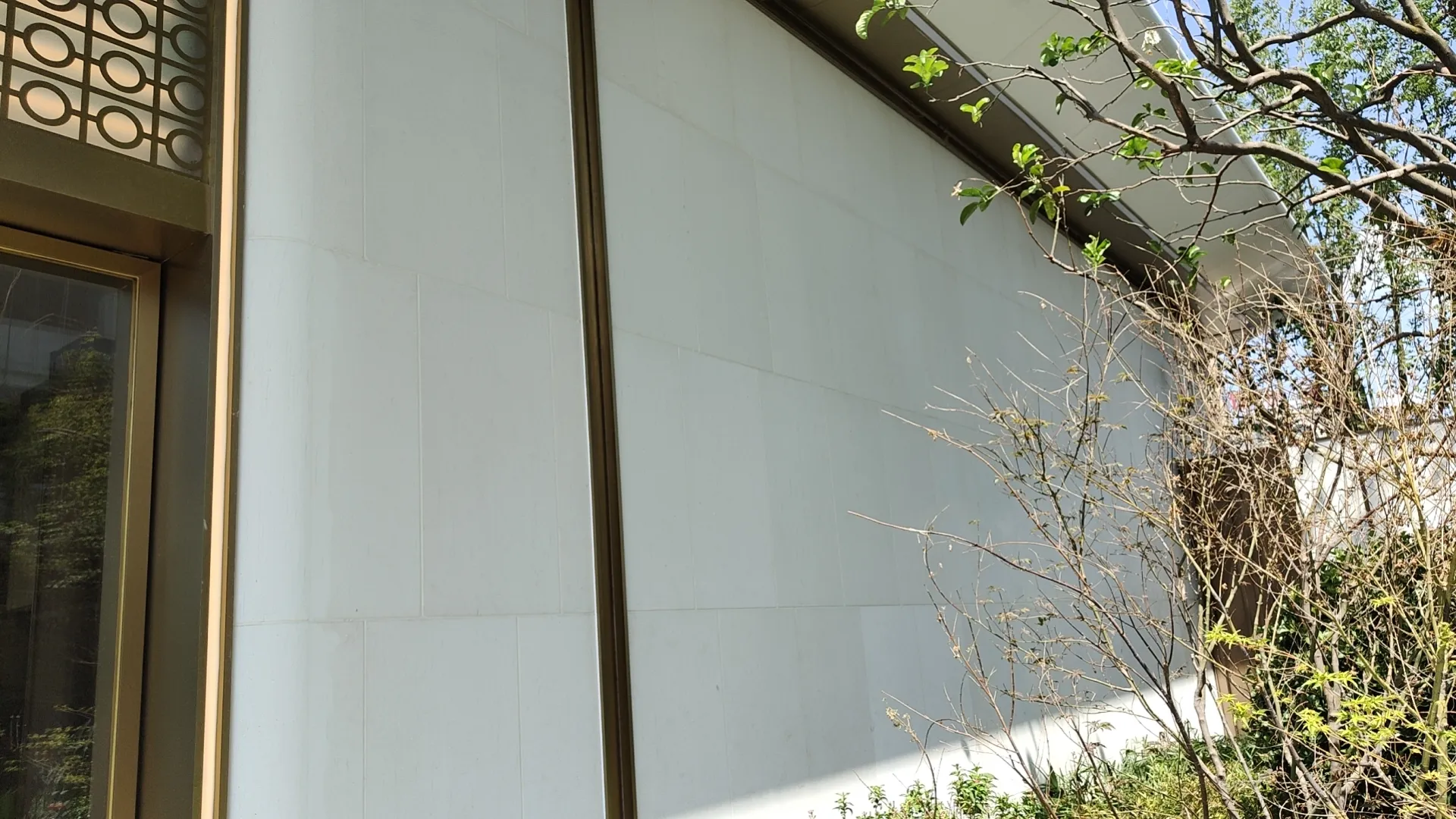
White travertine, known commercially as Bianco Stone or Super White Travertine, is a distinguished natural stone prized in architecture and interior design for its timeless aesthetic, characterized by a creamy white base and distinctive porous texture . Its application from quarry to finished product involves sophisticated shaping and finishing techniques.
Material Definition and Sources
White travertine is a form of limestone or calcareous tufa, classified commercially as marble . It is primarily sourced from regions such as Turkey and Iran . Key varieties include Bianco Stone from Turkey, Super White Travertine (LIR12) from Iran, and Bianco Mahallat . The stone's defining features are its soft ivory tones, subtle veining, and naturally porous surface which contributes to its organic character.
Primary Shaping and Fabrication Processes
The transformation of raw travertine blocks into usable slabs and tiles involves several critical stages:
Quarrying and Block Cutting: Large blocks are extracted from quarries and then cut into slabs using industrial diamond-wire saws or large gang saws.
Reinforcement and Stabilization: Due to its natural porosity, travertine often undergoes a stabilization process. This typically involves filling the characteristic cavities and holes with resin or cementitious materials to enhance its structural integrity, prevent cracking, and create a more uniform surface for polishing.
Precision Cutting: The reinforced slabs are then cut to specific dimensions—such as the popular 750x1500mm format—using computer-controlled bridge saws or waterjet cutters for intricate shapes.
Surface Finishing Techniques
The final aesthetic and tactile quality of white travertine is determined by its surface finish. Common finishes include:
Polished: A high-gloss, reflective surface that enhances the stone's color and veining, offering a luxurious and formal appearance.
Honed: A smooth, matte or satin finish with little to no shine. This finish provides a more understated, contemporary look and offers better slip resistance than a polished finish.
Tumbled or Brushed: A process that mechanically weathers the stone's edges and surface, resulting in an aged, rustic, or antique appearance with a softened feel.
Filled and Honed: A common treatment where the pores are filled (often with a color-matched resin) and then honed to create a smooth, consistent, and non-porous flat surface.
Technical Specifications and Considerations
A standard 2cm-thick slab of white travertine weighs approximately 20 kg per square meter. While offering exceptional beauty, its porous nature requires proper sealing for applications in kitchens and bathrooms to ensure stain resistance. When maintained with mild cleaners, it is praised for its durability and ability to brighten spaces with a cool-to-the-touch surface.