
The Application of Travertine in Steel Manufacturing Plants
2026-05-08
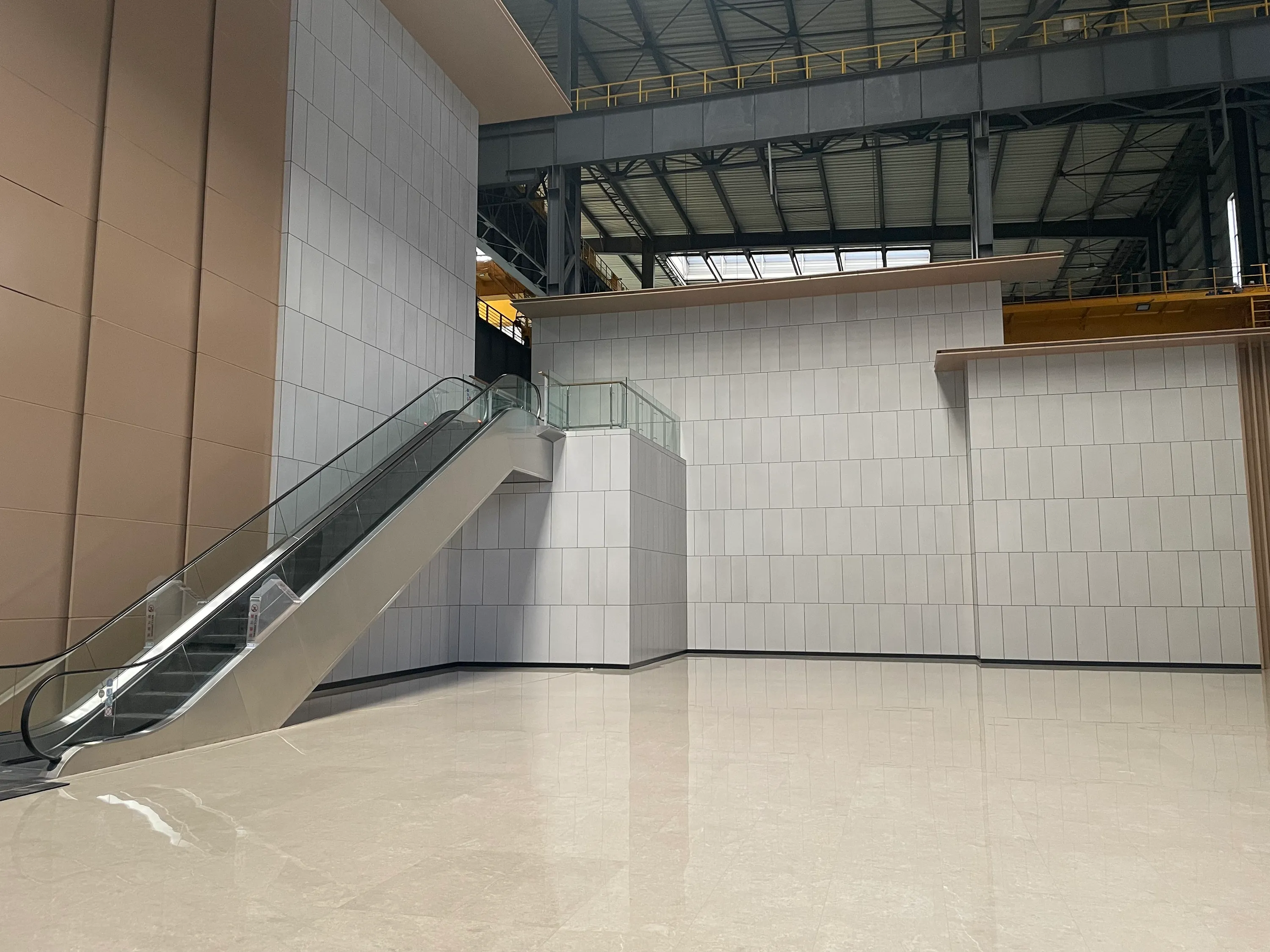
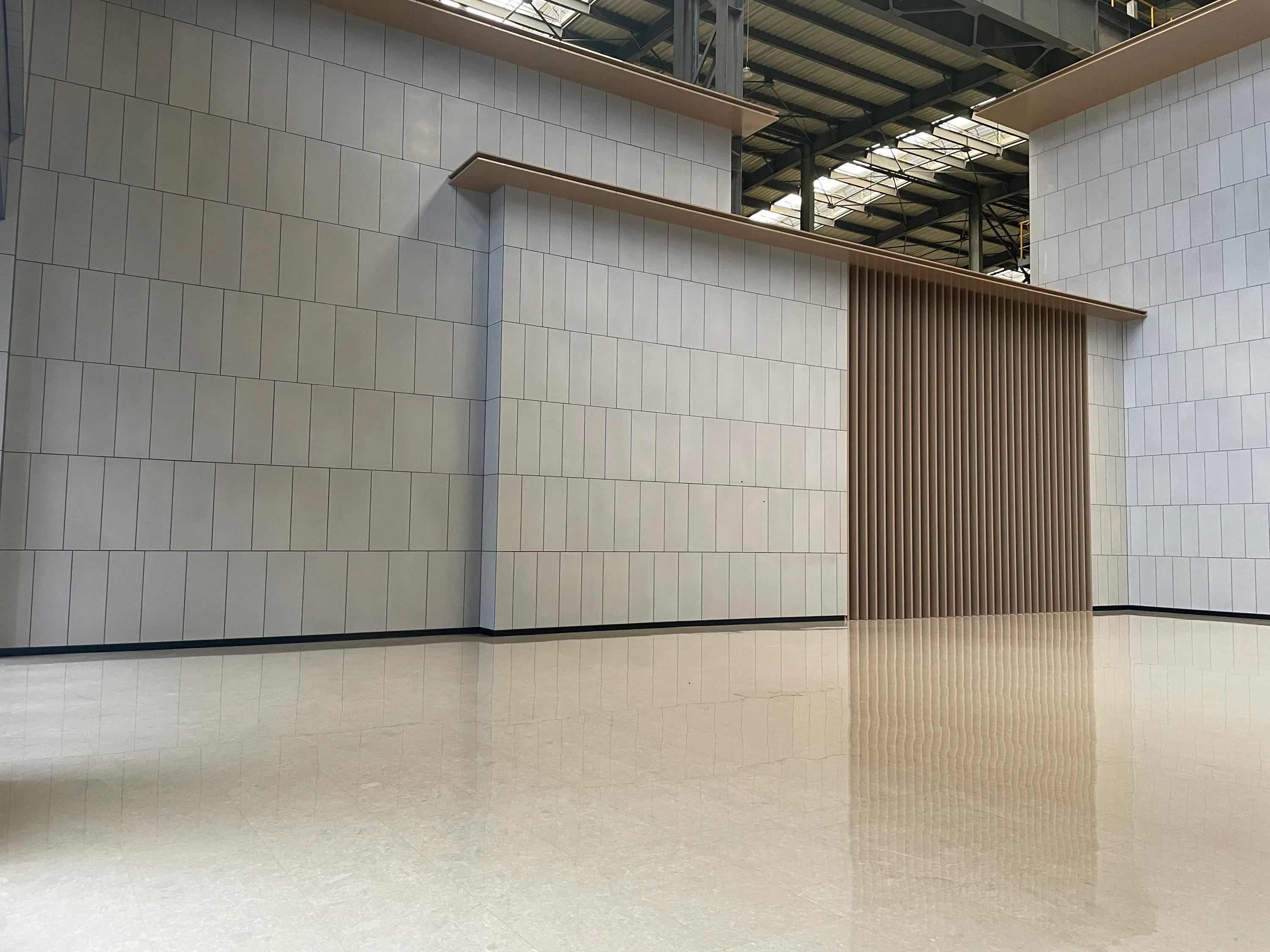
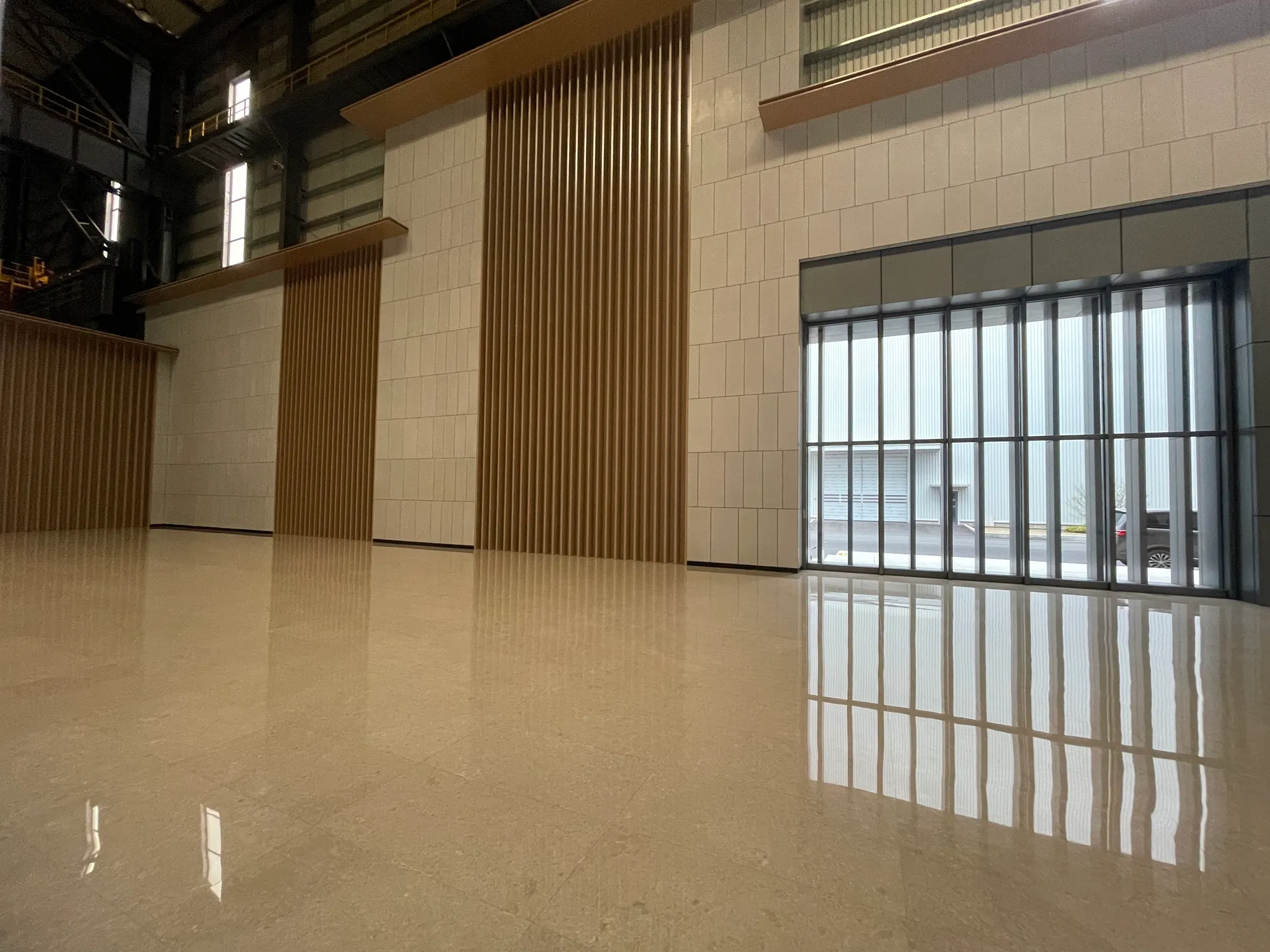
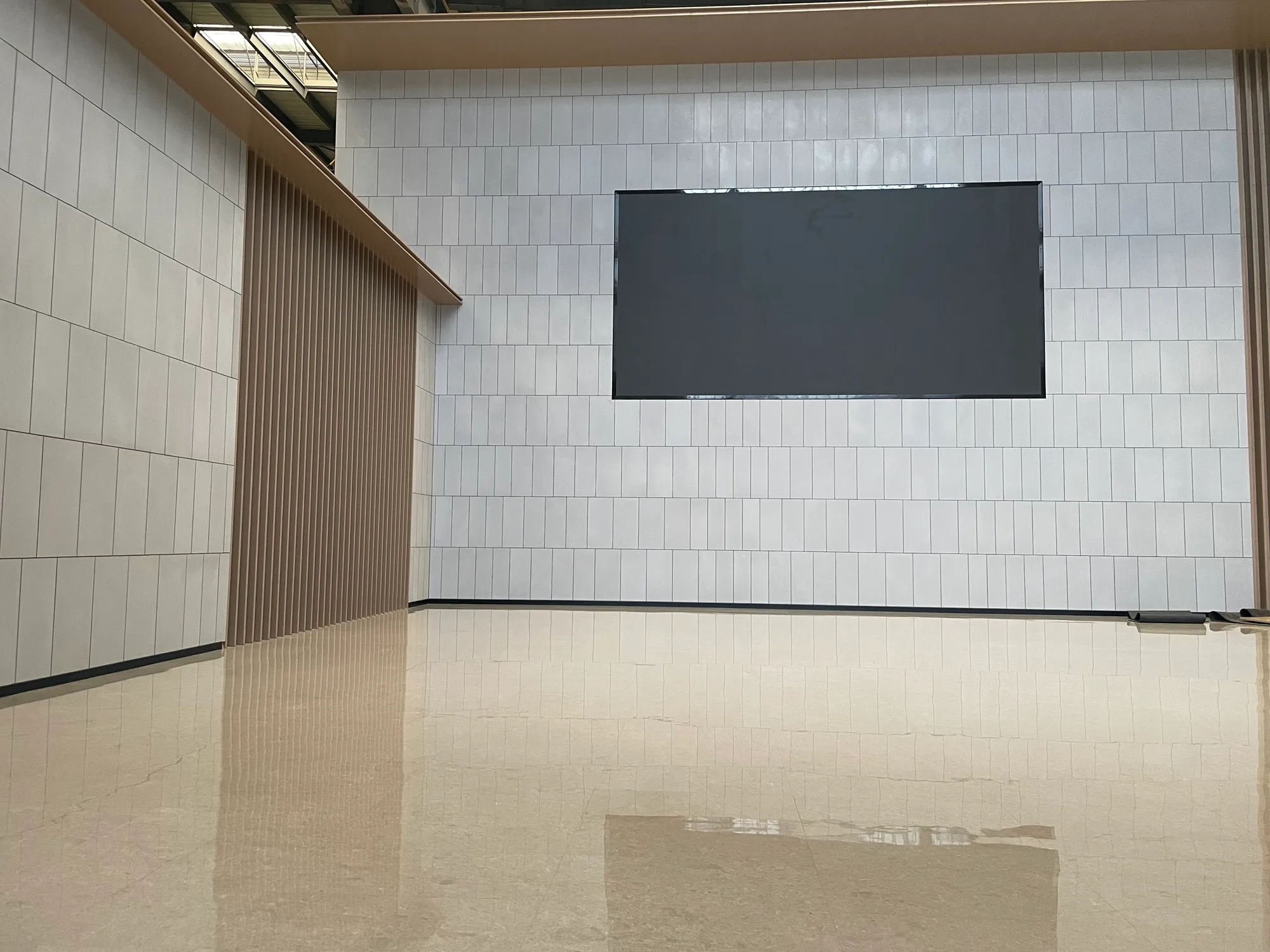
While travertine, a porous form of limestone, is predominantly recognized as a decorative building material in architecture and interior design, its application within the operational environment of a steel manufacturing plant is highly atypical and faces significant limitations. The primary role of stone materials in such industrial settings is functional and structural, areas where travertine's inherent properties present considerable challenges.
Material Properties and Industrial Mismatch
Travertine is a calcareous sedimentary rock characterized by its distinctive voids and cavities, formed by the precipitation of carbonate minerals. Its commercial appeal lies in its aesthetic texture, variety of warm tones, and workability for cladding and flooring. Key properties include relatively low density, moderate thermal insulation, and a degree of alkali resistance when properly sealed.However, these characteristics are ill-suited for the demanding conditions of a steel mill. The industrial environment involves extreme temperatures, heavy mechanical loads, potential exposure to corrosive agents, and stringent requirements for structural integrity and fire resistance. Travertine's porosity and lower mechanical strength compared to granite or engineered refractory materials make it vulnerable to cracking, spalling, and rapid deterioration under such stress.
Potential Niche Applications and Severe Constraints
In theory, a steel plant's non-production areas, such as administrative offices, visitor centers, or lobby spaces, might incorporate travertine for aesthetic purposes to project a modern, high-quality corporate image. Its use would be strictly limited to interior, low-traffic decorative walls, feature elements, or reception areas.Nevertheless, even in these ancillary spaces, caution is advised. Industry guidelines for exterior use highlight critical limitations that indirectly inform interior applications in harsh environments: travertine is not recommended for use in areas with severe pollution, significant temperature fluctuations, or where mechanical impact is likely. The dust, vibration, and operational rigor of a manufacturing plant periphery could compromise the stone's longevity and appearance.
Travertine finds no role in the core production processes or primary structures of a steel manufacturing plant due to its physical and mechanical properties. Its potential application is confined to creating a specific aesthetic in controlled, non-industrial interior spaces within the plant complex, such as corporate offices. However, given the challenging overall environment, more durable and industrial-grade materials are typically preferred.