
Qingdao Hanbaiyu (White Marble) Project
2026-05-20
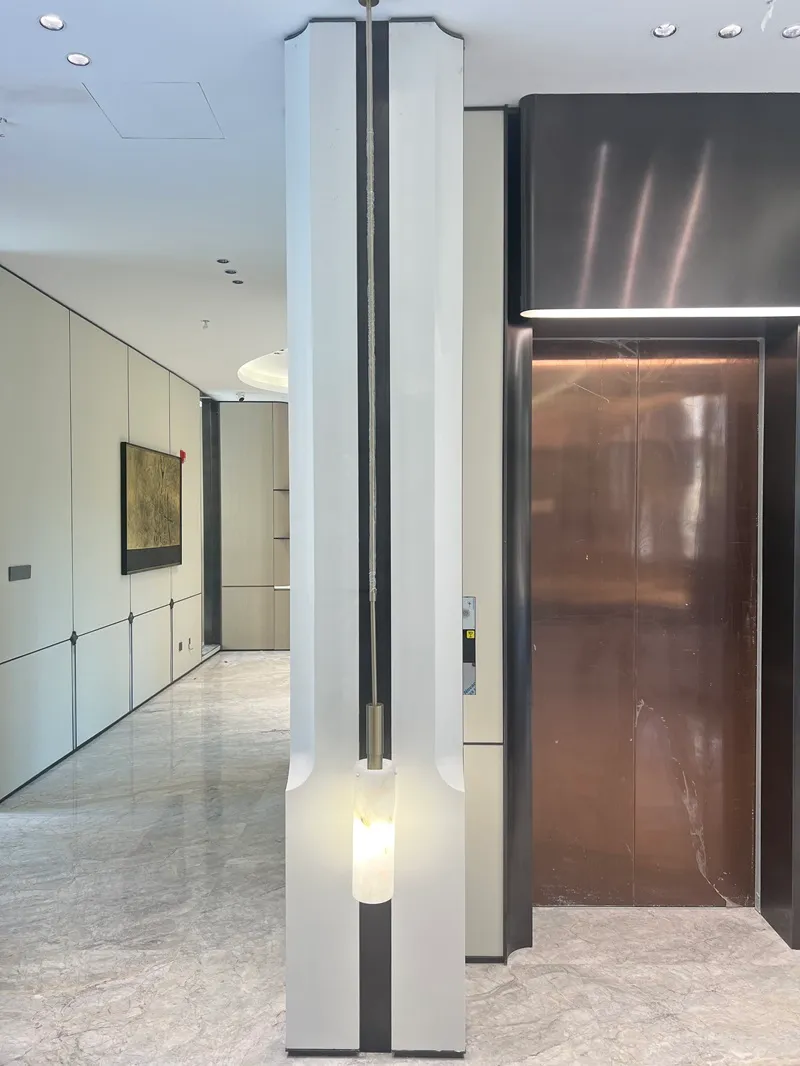
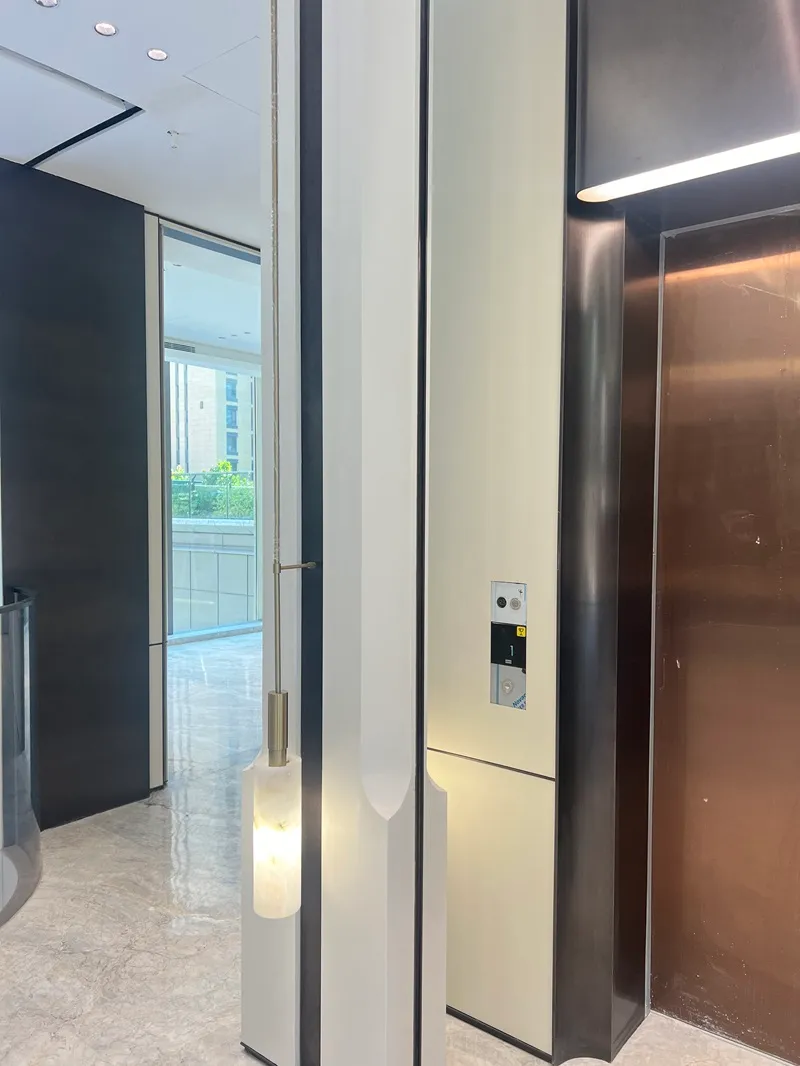
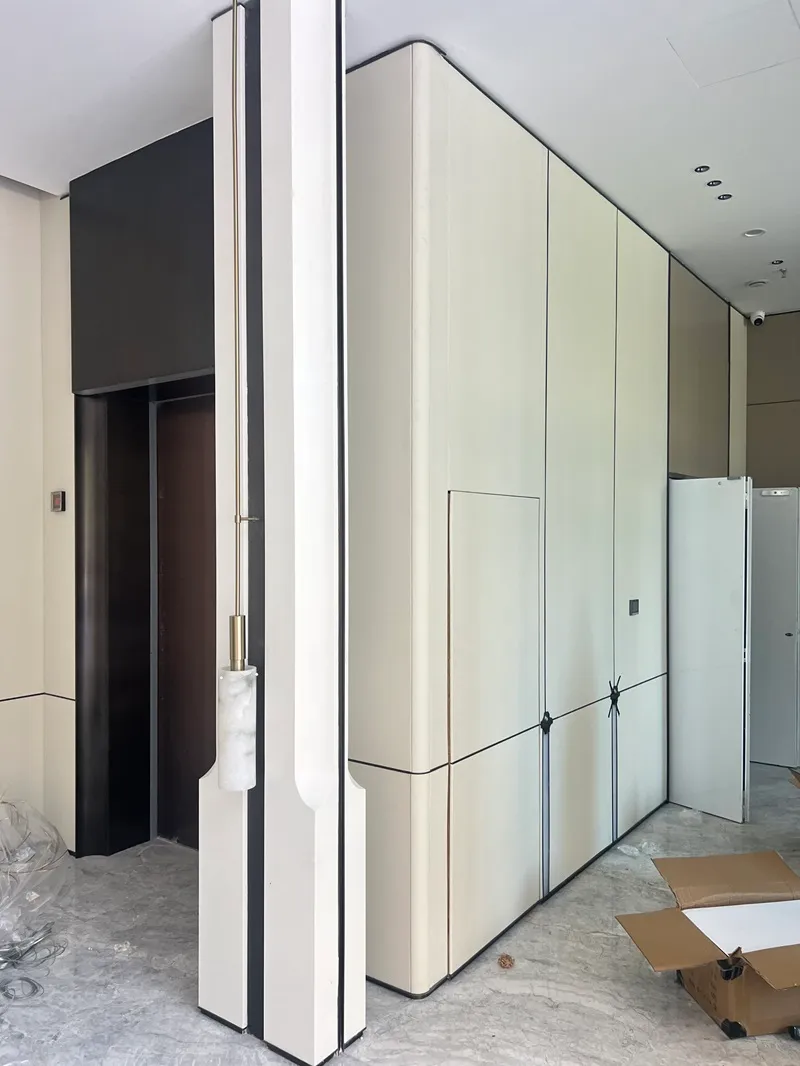
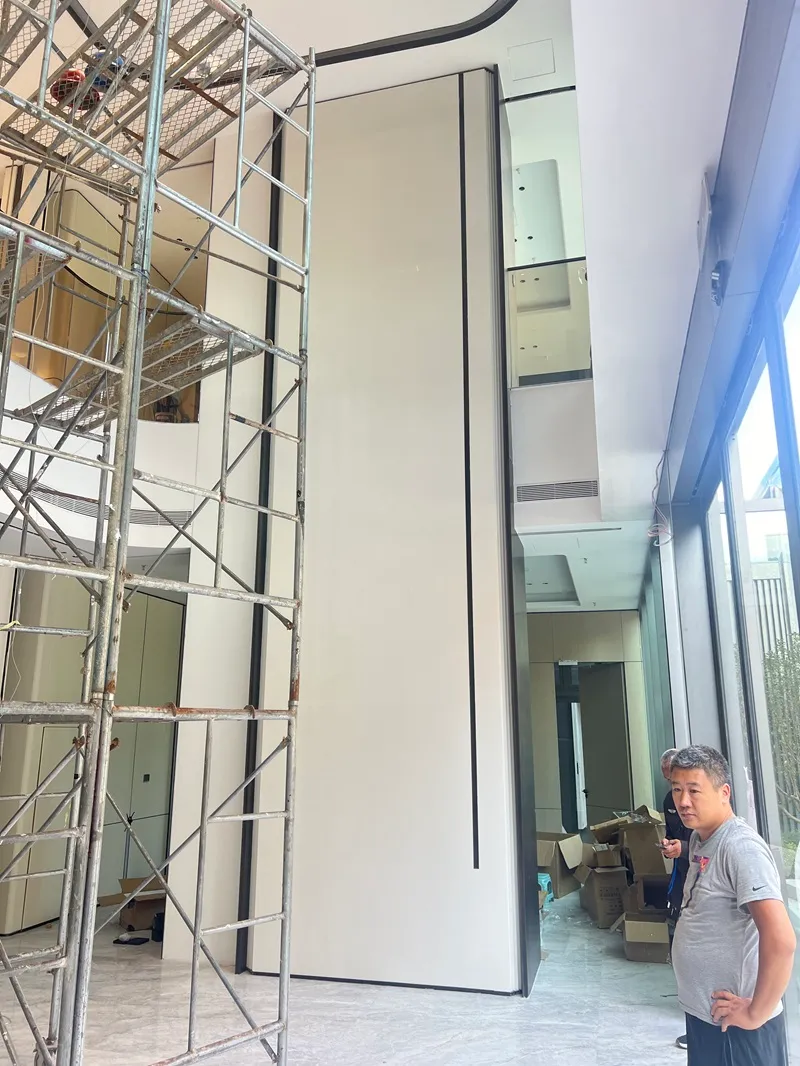
Qingdao Hanbaiyu (White Marble) Project Overview
Introduction
The Qingdao Hanbaiyu project highlights the city’s profound connection to one of China’s most prestigious natural stones: Hanbaiyu, or white marble. Renowned for its fine texture, high density, and exceptional resistance to weathering, this material has played a pivotal role in both national monumental architecture and local cultural landscapes. Qingdao is not only a major source of premium stone but also a hub where this traditional material is integrated into modern urban aesthetics and spiritual heritage sites.
Historical Significance and National Heritage
Qingdao’s contribution to Chinese architectural history is epitomized by the People’s Heroes Monument in Beijing. The monument’s core stone, weighing over 60 tons, was quarried from Fushan in Qingdao . This massive block serves as the central pillar of the monument, symbolizing the enduring spirit of revolutionary martyrs. The use of Qingdao-sourced stone in such a significant national landmark underscores the region’s geological superiority and its historical importance in shaping China’s collective memory .
Urban Aesthetics and Cultural Integration
In contemporary Qingdao, Hanbaiyu is extensively utilized to enhance public spaces and blend traditional elegance with modern design.
Street Landmarks: In the historic Dagang area, particularly at the intersection of Daxue Road and Yushan Road, street signs crafted from Hanbaiyu are embedded against red brick walls. These installations have become iconic photo spots, attracting numerous visitors and highlighting the contrast between the pristine white stone and the warm tones of the surrounding architecture .
Commercial and Public Spaces: The Tianmu City (Sky Curtain City) redevelopment project previously featured fountains and sculptures using Hanbaiyu, demonstrating an effort to fuse Western sculptural techniques with traditional Chinese materials . Similarly, public buildings often employ Hanbaiyu for ground flooring and lobby finishes, creating clean, proportional, and dignified interiors .
Spiritual and Artistic Applications
Hanbaiyu also holds a special place in Qingdao’s religious and artistic sectors.
Zhan Shan Temple: The Zhan Shan Ci Fu landscape stone carving, located beneath the Medicine Buddha琉璃 Light Tathagata Pagoda at Zhan Shan Temple, is a notable example. Although primarily noted as natural marble, the tradition of using high-quality white stone in such contexts reflects the broader appreciation for durable, aesthetically pure materials in Buddhist art .
Buddhist Art Exhibition: The Qingdao Buddhist Culture and Art Exhibition Hall emphasizes the harmony between historical depth and artistic expression, where materials like Hanbaiyu contribute to the solemnity and classic value of cultural relics .
Conclusion
The Qingdao Hanbaiyu project represents more than just a construction material supply chain; it embodies a fusion of geological heritage, national history, and urban cultural identity. From the foundational stones of Beijing’s most significant monument to the delicate street signs of Qingdao’s trendy districts, Hanbaiyu continues to serve as a bridge between the past and the present, showcasing the city’s unique ability to preserve tradition while embracing modernity.