
The key to protecting travertine is reducing its water absorption rate.
2026-05-24
Shanghai Jiani Material Technology Co., Ltd. is a professional company specializing in the production of stone tiles.
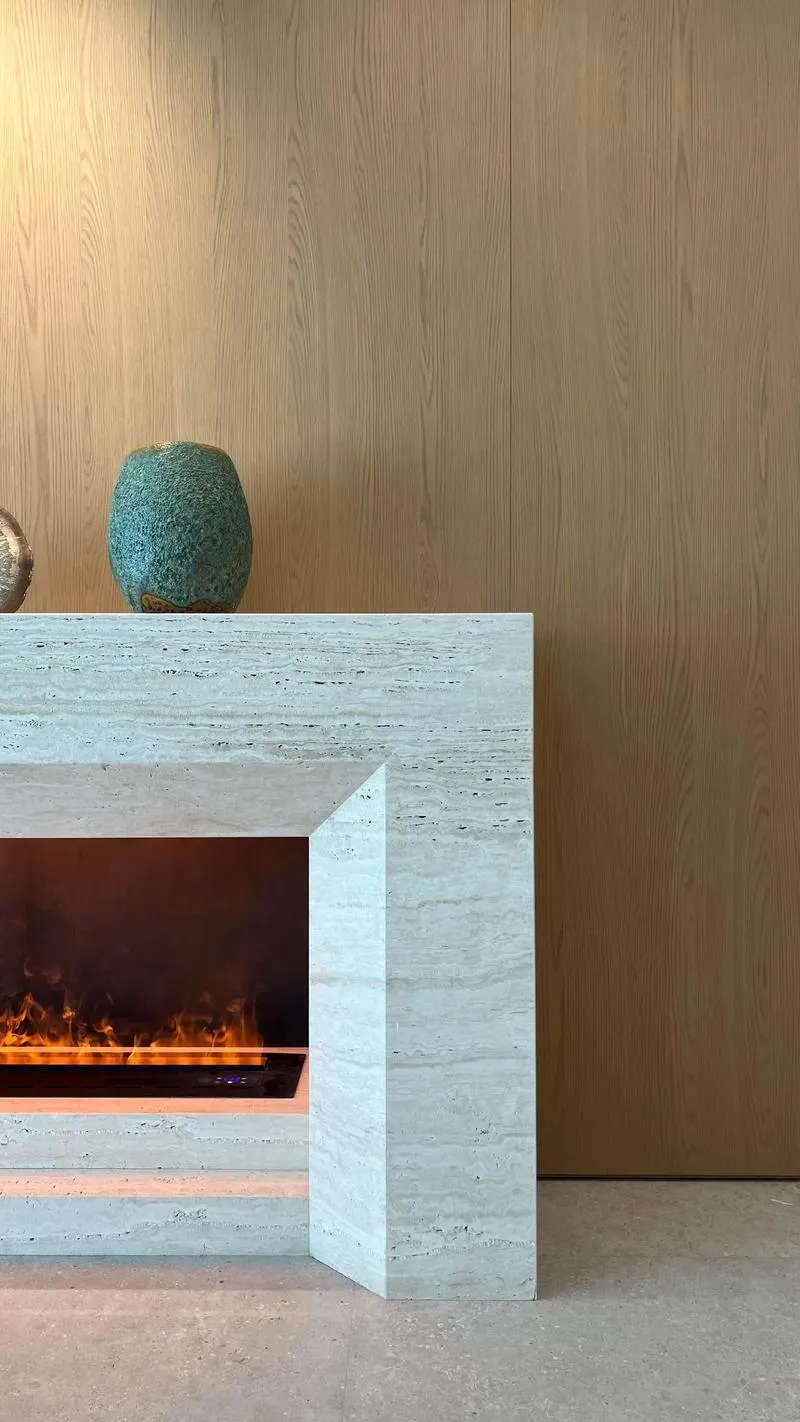
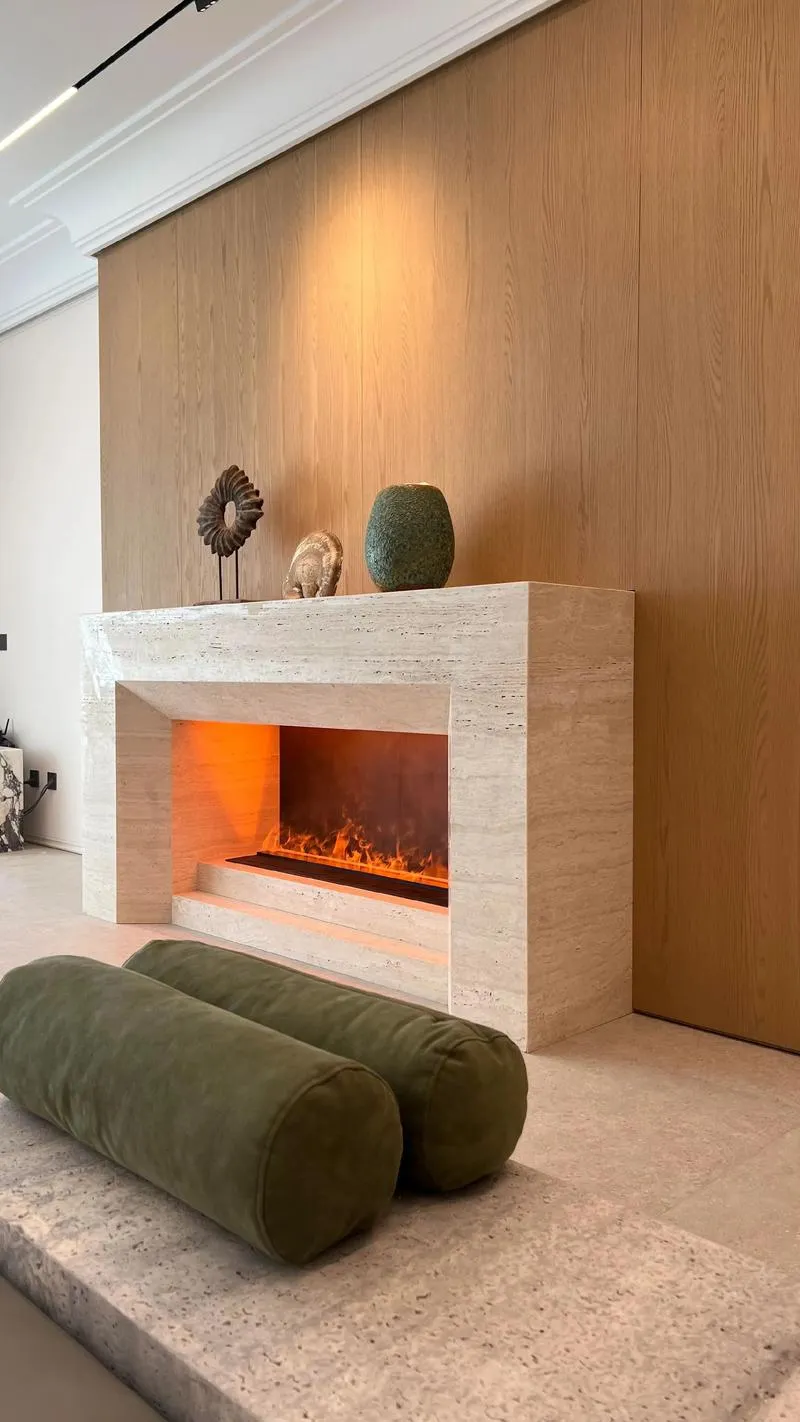
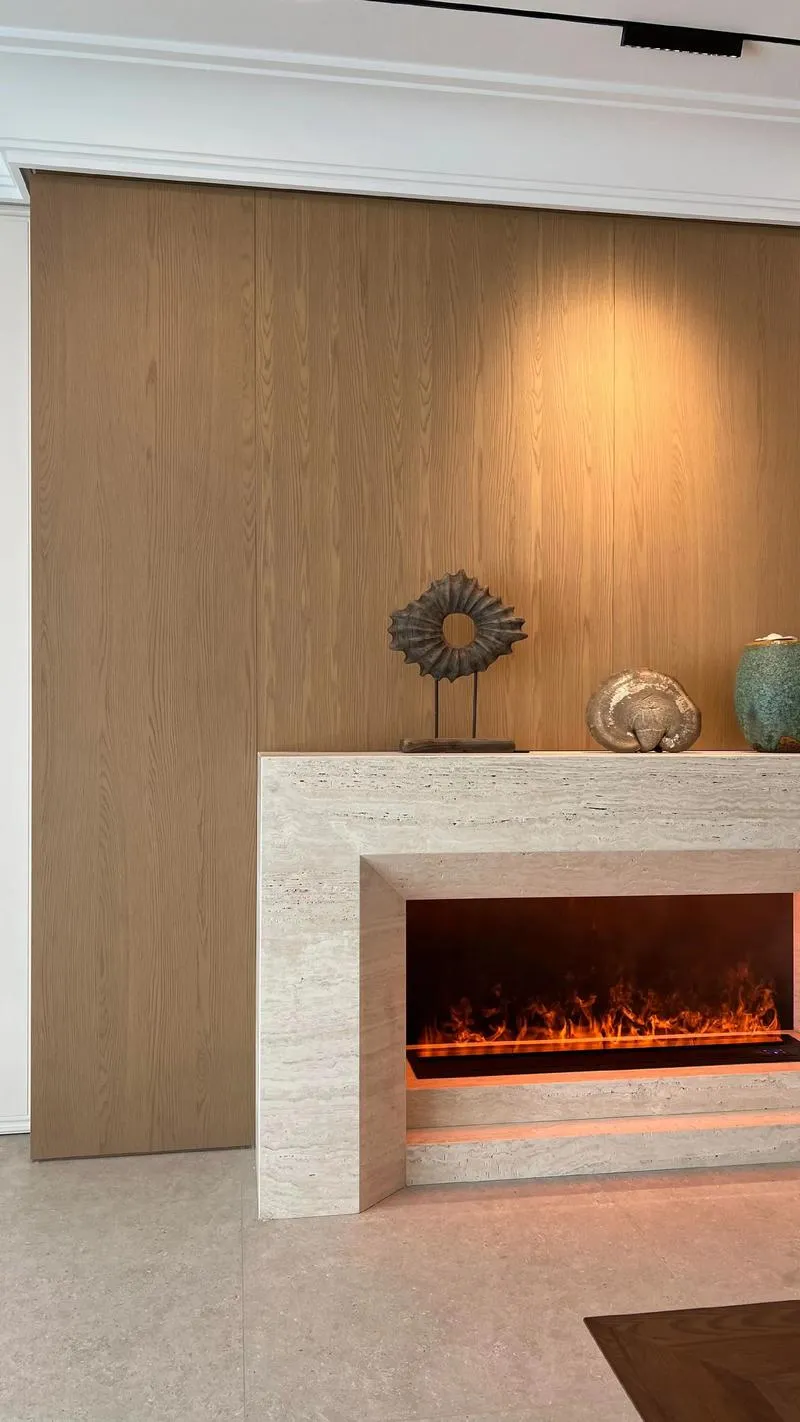
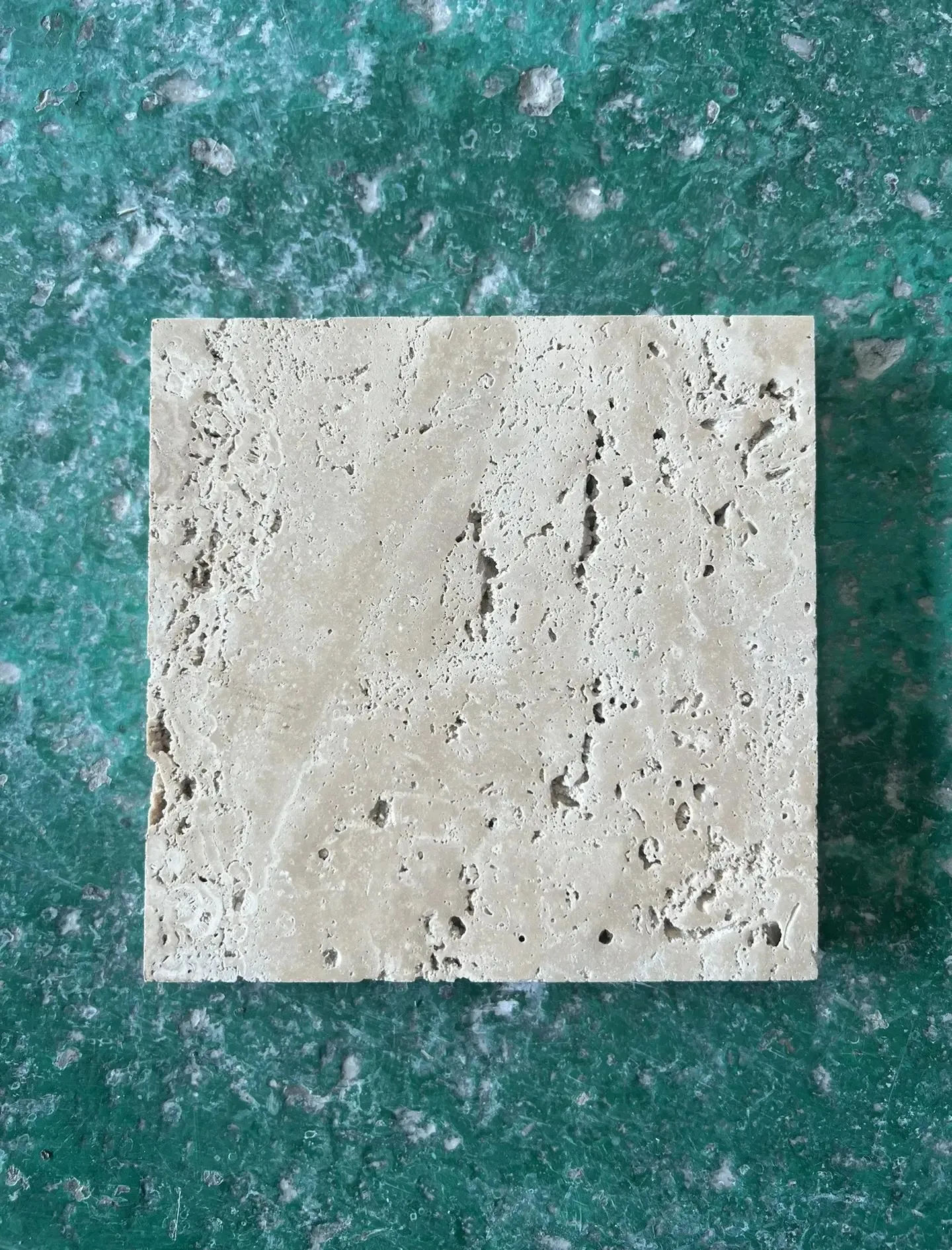
Travertine, scientifically known as tufa, gets its name from numerous holes on its surface. Its English name is Travertine. As a porous rock, it is commonly referred to as hole stone.
Travertine belongs to continental sedimentary rock and is a calcium carbonate deposit. It mostly forms in limestone areas rich in calcium carbonate, generated by the deposition of dissolved calcium carbonate and other minerals on riverbeds, lake beds and other water bottoms. Pores tend to emerge during redeposition. Given its main component calcium carbonate is susceptible to water dissolution and corrosion, a large number of irregular natural holes are formed inside the deposits. The Colosseum, an iconic architecture representing Roman culture, is a masterpiece constructed with travertine.
Travertine features abundant internal voids, extremely high water absorption and high susceptibility to contamination, with stains hard to remove once formed. To reduce water absorption, prevent contamination and aging, and resolve efflorescence, water seepage, dark discoloration and other defects caused by freeze-thaw and dry-wet cycles, surface protective treatment shall be implemented, followed by base protection agent application.
When applied on floors, hole sealing is essential, and epoxy or acrylic resin is recommended. For exterior wall installation, water absorption reduction shall be taken as the core evaluation index.
If you want to learn more about stone knowledge, please feel free to contact us.