
Museum of Islamic Art (MIA), Qatar
2026-05-28
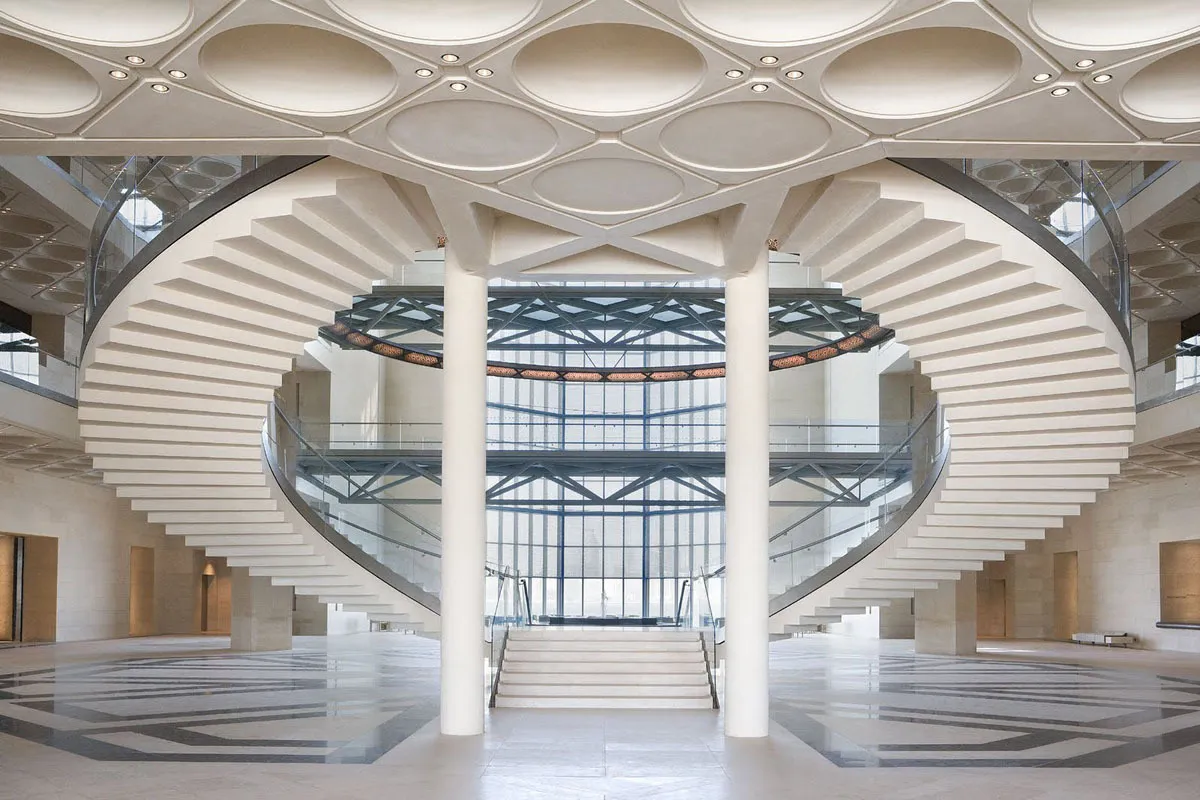
The Museum of Islamic Art (MIA) in Doha, designed by the renowned architect I.M. Pei and inaugurated in 2008, stands as a monumental testament to Islamic artistic heritage. Situated on a purpose-built artificial island off the Doha Corniche, the museum’s architecture is characterized by its striking white limestone facade and geometric precision, reflecting the essence of Islamic design principles while engaging in a dialogue with modern architectural forms.
While the museum is globally celebrated for its comprehensive collection spanning over 1,400 years and three continents—from the 7th to the 19th century—the integration of traditional tilework within its galleries serves as a critical narrative device. The project highlights the evolution of ceramic arts, particularly focusing on the Ottoman period. A prime example featured in the galleries dedicated to the Arts of Turkey and the Ottoman Provinces is a set of eight inscribed Iznik tiles. Originating from Iznik in western Anatolia (modern-day Turkey), these tiles exemplify the pinnacle of ceramic craftsmanship that emerged during the reign of Sultan Mehmed II and flourished in the 16th century.
These architectural elements are not merely decorative; they represent a historical continuum where local potters were inspired by Chinese Ming porcelain to create distinct blue-and-white ceramics that later adorned palaces and mosques across the Ottoman Empire. The inclusion of such tiles within the MIA’s interior design reinforces the museum’s mission to showcase the intricate details of Islamic material culture. The interplay of light on the limestone exterior and the detailed craftsmanship of the interior tile displays create an immersive environment, allowing visitors to appreciate the technical mastery and aesthetic sophistication of Islamic art.
As part of Qatar’s broader cultural strategy to establish itself as a global center for art and heritage, the MIA’s tile projects and exhibitions serve as vital educational resources. They illustrate the cross-cultural exchanges facilitated by trade routes, including the Silk Road, and highlight the enduring legacy of Islamic artistic traditions. Through careful curation and architectural harmony, the museum preserves these fragile yet resilient artifacts, ensuring their stories continue to resonate with contemporary audiences.