
Professional stone restoration techniques for perfect stone surfaces
2026-06-15
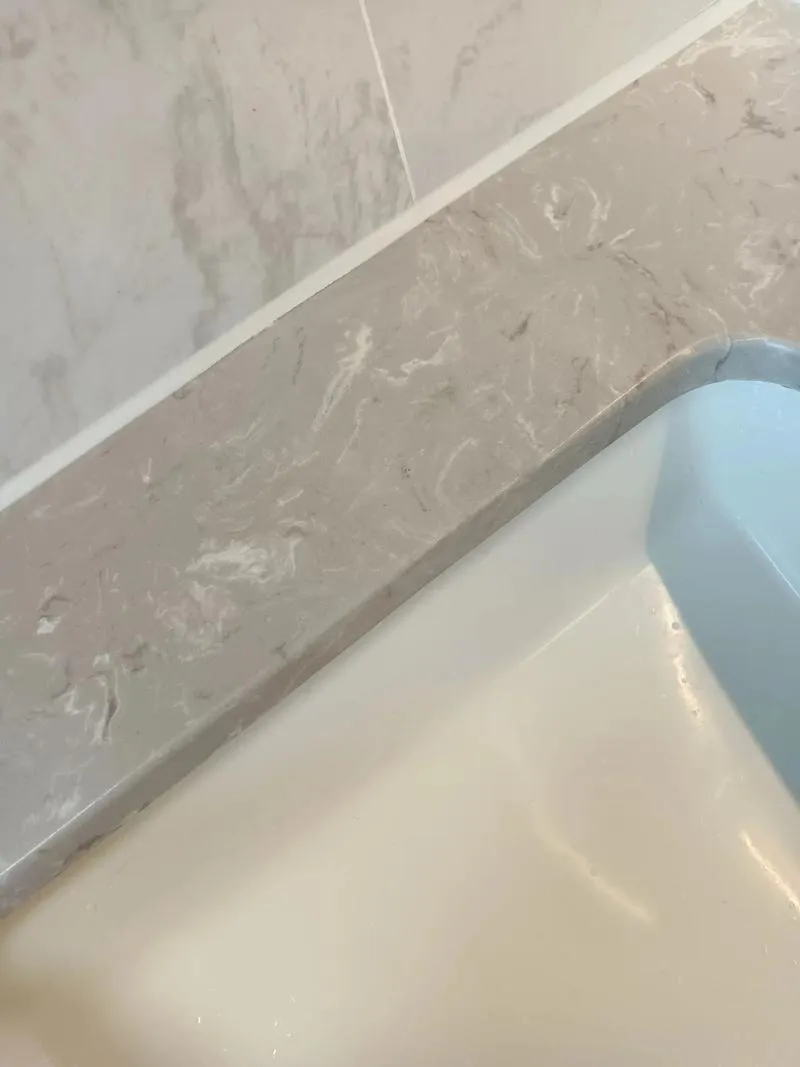
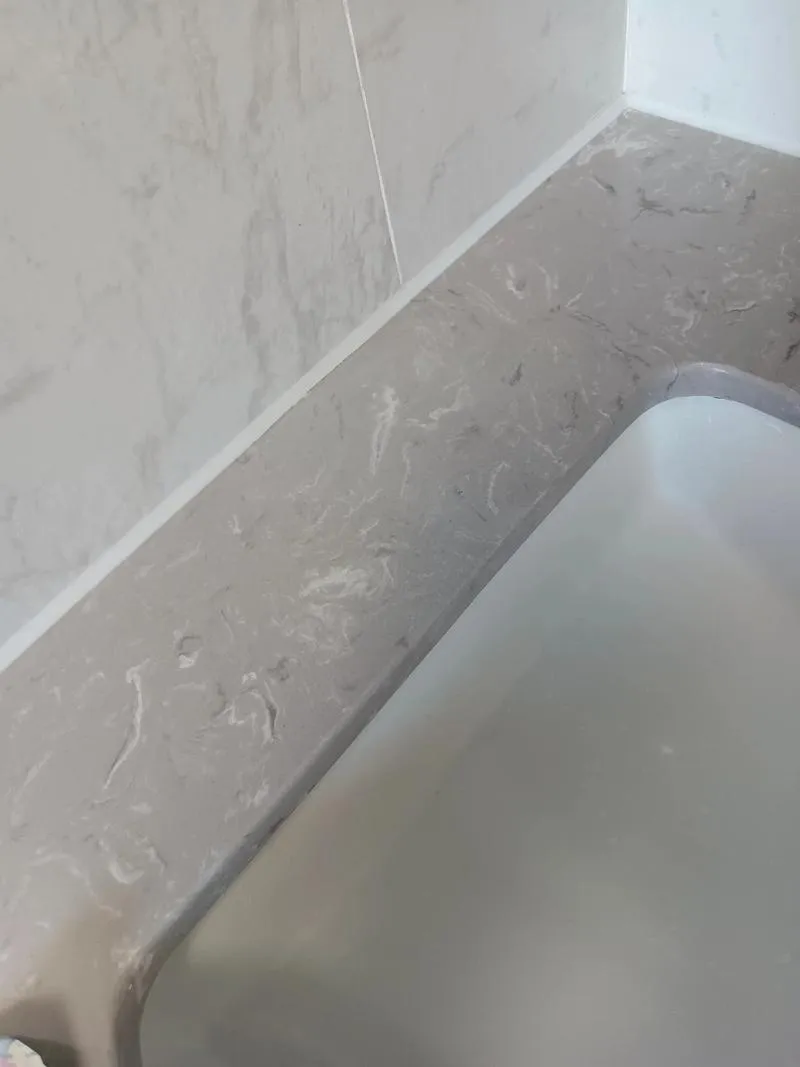
Many people are unfamiliar with the professional techniques of stone restoration, and some even question whether stone restoration is necessary at all.
State-of-the-art stone restoration techniques can match those used for cultural relic conservation in contemporary museums. Stains commonly found in kitchens must be removed promptly from countertops, splash panels and flooring. Residues from bath soap and body lotion cannot be left on stone basins, while grimy stains hidden in nooks behind doors also need thorough cleaning. Modern households hold stringent performance standards for stone and ceramic tiles, so periodic professional stone restoration is essential to preserve the original appearance of these premium materials.
Since stone, tile and concrete installations are permanent fixtures, restoration has to be carried out on-site. Stone restoration is essentially an industrial construction procedure, which requires professional restorers to fully protect the surrounding environment. Special precautions must be taken against wastewater, chemical detergents, high-power machinery and waste generated from coating applications. Diamond grinding wheels are used to sand stone surfaces, recreating a freshly polished finish. Proper polishing, waxing and sealing complete the restoration and rejuvenate the stone’s look. Professional restoration avoids extensive renovation work and leaves no visible repair marks.
Professionally restored stone surfaces deliver striking, even astonishing results. Polished marble regains its pristine cleanliness and lustre, while polished granite restores a mirror-smooth finish, bringing out the stone’s original hues and grain patterns once again.
Floors, walls and countertops each carry unique histories and significance, hence tailored restoration approaches are required for each category.