
The early-stage anti-permeability maintenance of stone materials cannot be ignored.
2026-06-25
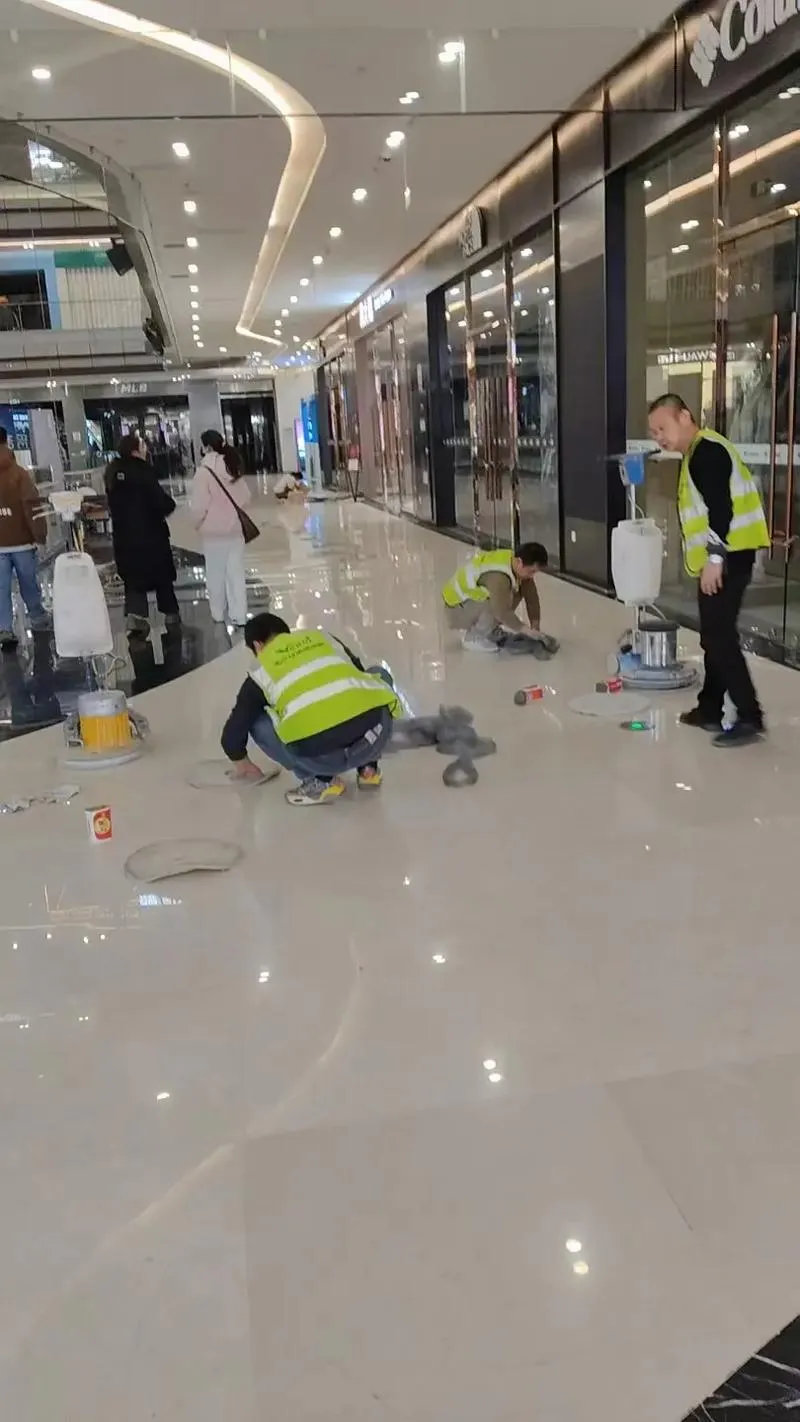
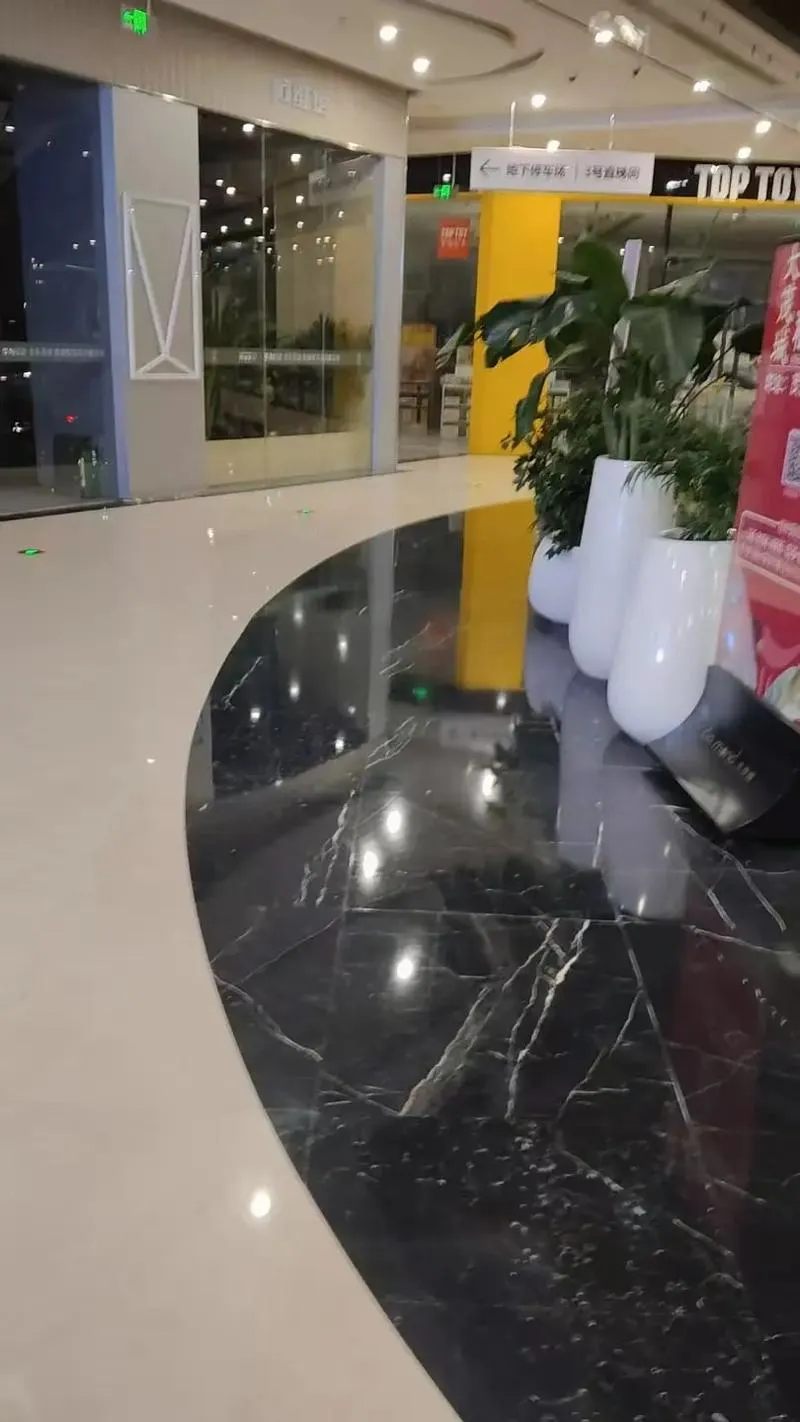
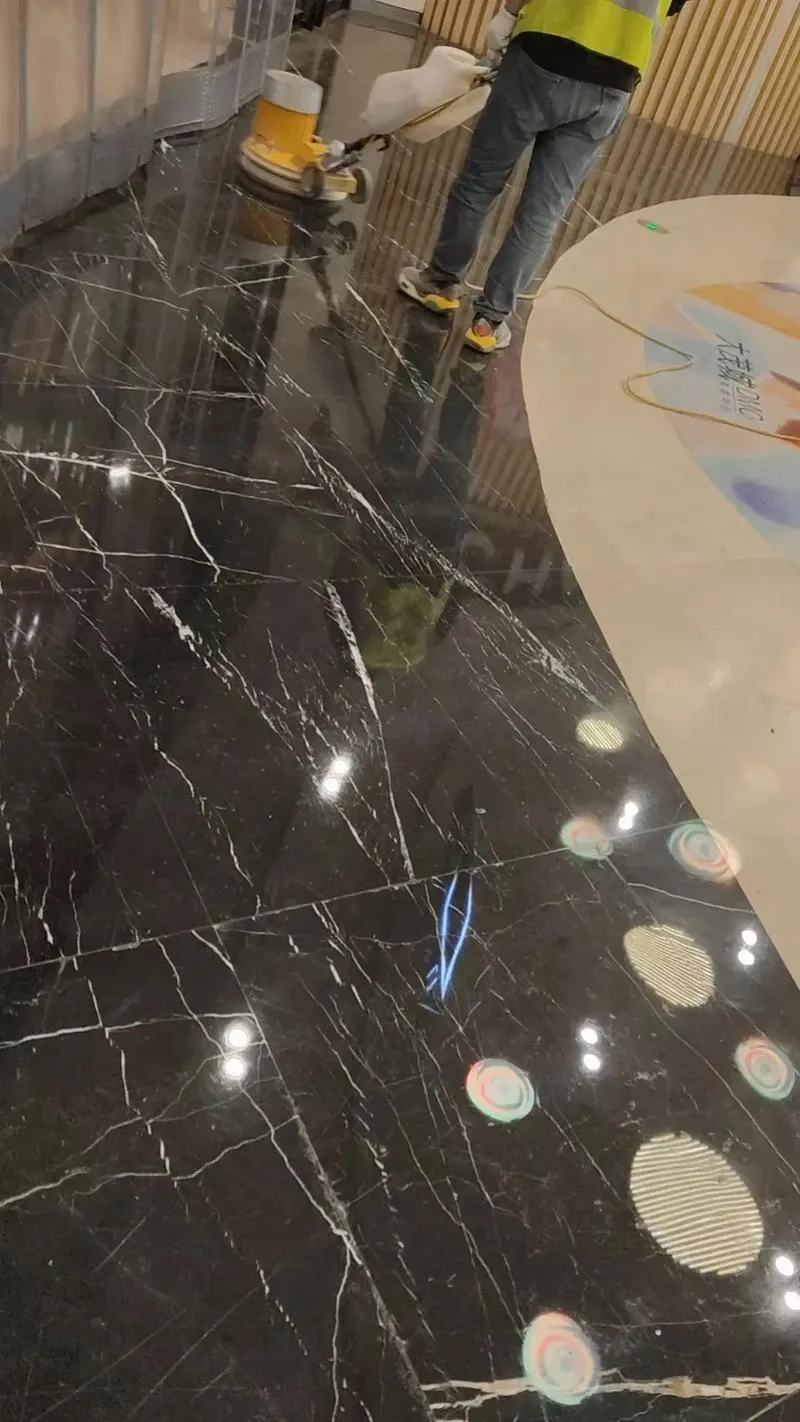
Many stone-paved ground surfaces are stained with unsightly blemishes such as oil stains, chewing gum residues, and marks left by pigmented beverages, robbing the stone flooring of its original solemn and elegant decorative appeal. Consultations with stone suppliers and stone industry experts reveal a common issue plaguing large-scale urban construction projects today: stakeholders prioritize the decorative design, construction and installation of stone facades and large plazas, yet neglect effective pre-construction protective treatment for stonework. This oversight leads to persistent, hard-to-remediate aftereffects, particularly on stone paving.
Nowadays, stone has become a ubiquitous decorative material in urban infrastructure, cultural facilities and commercial developments. In recent years, Tianjin has ramped up construction investment, completing numerous large public works and supporting amenities including bridges, express roads, cultural plazas, commercial and financial complexes, all extensively finished with stone cladding. Wall-mounted stone is only subject to contamination and corrosion from weather and ambient conditions, while stone paving endures these hazards alongside physical damage from pedestrian traffic, vehicle loads and object impacts, resulting in far higher wear and tear.
For anti-slip purposes, ground paving typically employs textured stone slabs such as machine-chiseled stone, axed stone, flamed stone and sawn slabs. Some contractors perform rudimentary anti-corrosion treatment prior to installation, yet very few conduct pre-construction anti-seepage treatment. Once the stone pavement is laid and put into service, stains from foot and vehicle traffic quickly mar the surface. Contaminants seep into the stone through its microscopic pores, leaving permanent marks that are extremely difficult to eradicate — a problem exacerbated by rougher stone textures.
Sanitation workers at local plazas report that oil stains reappear shortly after being washed off with detergents. Grinding to remove such blemishes requires stripping away a thick layer of the stone surface. Colored stains are often irreversible; chewing gum, for instance, poses major removal challenges. Sections of Tianjin Gulou Square, Golden Street and Binjiang Avenue frequently host large-scale events, leaving the paving heavily disfigured and creating a stubborn cleaning headache.
What solutions exist for stone surface contamination? Our reporter visited Tianjin Enhai Technology Development Co., Ltd., a specialist in stone anti-seepage surface treatment. The company’s proprietary technological processes work for both textured and polished stone surfaces. Pre-treatment of textured stone pavements delivers robust resistance to seepage, abrasion and staining, while simplifying routine cleaning.
For polished materials including granite, marble, terrazzo and vitrified polished tiles, a multi-stage pre-treatment process comprising rough grinding, hardening, coating, fine polishing and vitrification yields comparable benefits: enhanced resistance to weathering, abrasion and staining, easier maintenance, and extended service life for stone surfaces. This technology also delivers remarkable results when retrofitting aged stone installations. Evidently, stone anti-seepage treatment delivers substantial economic value for property owners while generating broader social benefits.
Given the critical importance of pre-installation anti-seepage treatment, the process must be prioritized across architectural design and construction phases. Specifically, pre-construction anti-seepage protection should be incorporated into formal design specifications and construction workflows, with corresponding costs allocated within project budgets. This approach preserves the long-term aesthetic integrity of stone decoration and fosters superior living environments for the public.