
What to do when there is a discrepancy between samples and products, and the customer cancels the order
2026-06-30
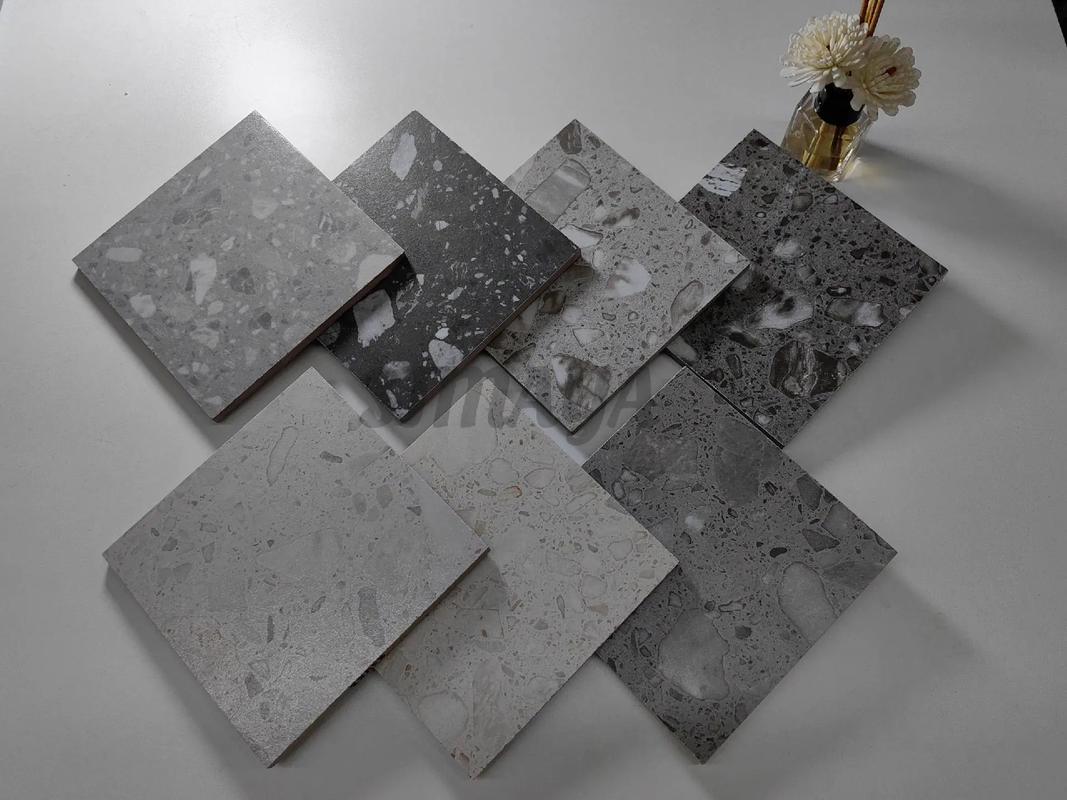
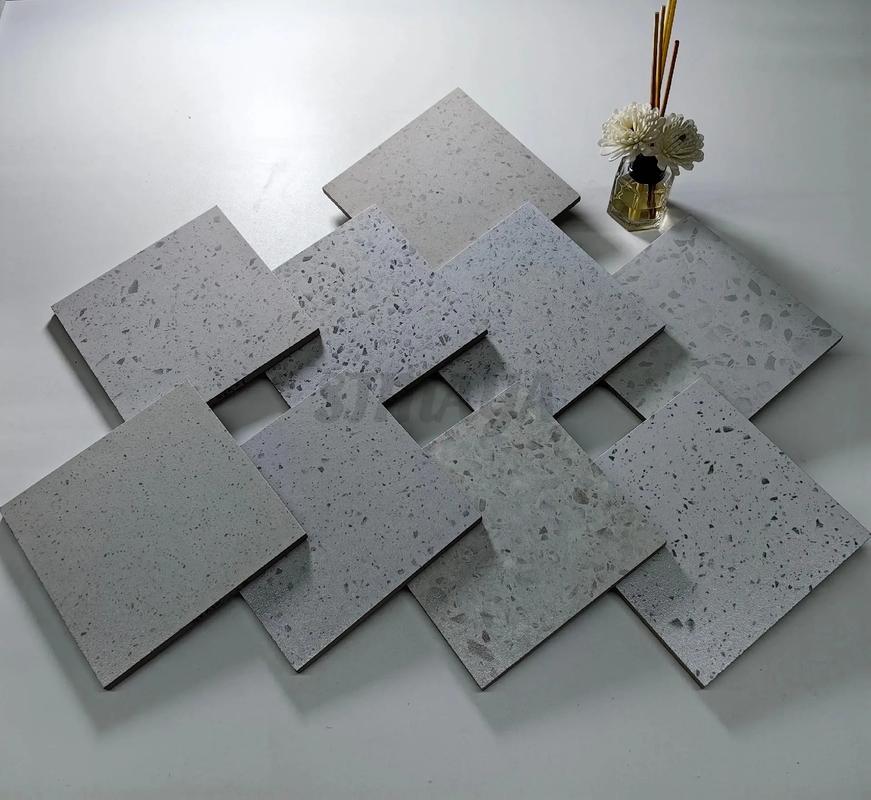
With the extensive development of the stone industry, stone trading has become increasingly frequent. As a relatively high-end architectural decorative material, stone usually involves large transaction values. If there is a discrepancy between the sample and the finished goods, resulting in customer dissatisfaction and a request for returns, how should we handle the situation? This article shares practical experience for fellow stone industry practitioners to discuss this issue together.
I work as a purchaser at a trading company and sourced ceramic coffee cup and saucer sets of 40-piece size worth approximately RMB 130,000 for an Eastern European client. I found the supplier online, and the pre-production sample was confirmed and approved at that time. However, during my on-site inspection, I found the mass-produced goods were of extremely poor quality. As handmade products, the inferior workmanship stemmed from inexperienced workers, rendering the goods utterly unacceptable. Our client rejected the shipment solely based on product photos. To be honest, would the factory agree if we refused to take delivery of goods worth over RMB 130,000? I am really troubled by this predicament. We issued a letter of credit to the factory—will the factory let our company off the hook? Is it legitimate for us to reject the goods on quality grounds? Do we have to engage a notary public for inspection? Are there any alternative solutions? I have inspected the goods in person, and I firmly believe shipping them would only result in wasted freight costs. What’s more, we have collected a 30% deposit from the client, who is now demanding a full deposit refund. I would greatly appreciate advice from anyone who has encountered similar disputes.
1. What contractual terms did you agree on with your client regarding product standards? Compensation is warranted if the goods fail to meet the agreed requirements. The crux lies in whether you and the factory laid out clear quality specifications when placing the order. If such terms exist, you are fully entitled to reject the goods for non-compliance and claim compensation. If no formal quality agreement was signed, review the product quality descriptions posted online and identify specific discrepancies between the delivered goods and the online specifications. Notarization of relevant evidence is recommended to facilitate legal proof in potential disputes.
2. If the factory produced pre-production samples for your order and you approved the sample quality, with a contractual clause stipulating that mass production must match the approved sample for acceptance, you have full grounds to reject the shipment if the finished goods deviate drastically from the sample.
Since you cannot deliver qualified goods to your client, you are obligated to refund the client’s deposit. One failed order does not mean the end of cooperation. As long as you handle the incident properly and maintain a reliable reputation, the client will retain trust in you for future business.
3. Handmade goods lack explicit uniform specifications and standards, so you must reference relevant industry standards for similar products alongside your signed contract terms.
Claiming poor quality merely due to inexperienced workers will unlikely hold up in court; your rejection must be backed by measurable objective standards and documentary evidence.
You need to negotiate reasonably with your foreign client. Rejecting a shipment based purely on photos is overly arbitrary and unreasonable, and no supplier would accept such a vague rejection without solid grounds.
4. I assume your formal contract contains clear acceptance clauses, so all disputes should be resolved in accordance with the signed agreement. It is irresponsible of your supplier to deliver substandard goods worth over RMB 100,000. Moving forward, for all bulk orders, require the factory to send pre-production bulk samples for your review, or conduct on-site factory inspections yourself. Any production defects can be spotted in advance to mitigate losses—this is the standard practice adopted by my factory.