
Construction and acceptance of floor stone materials
2026-07-06
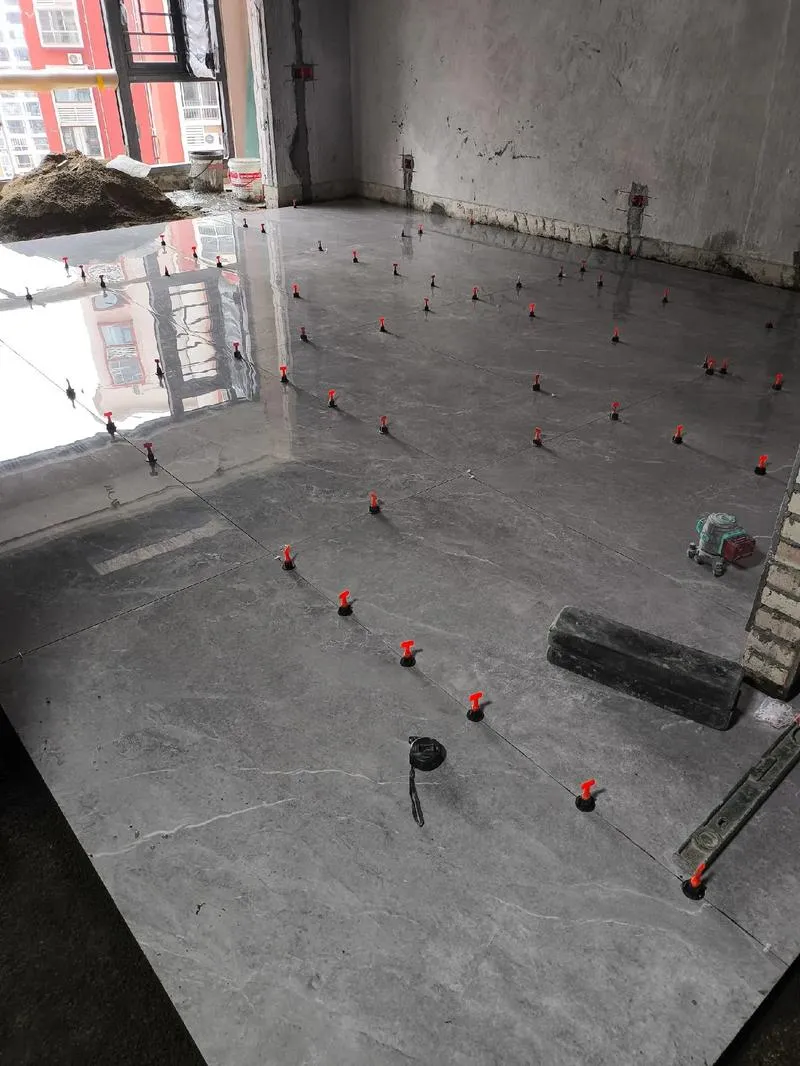
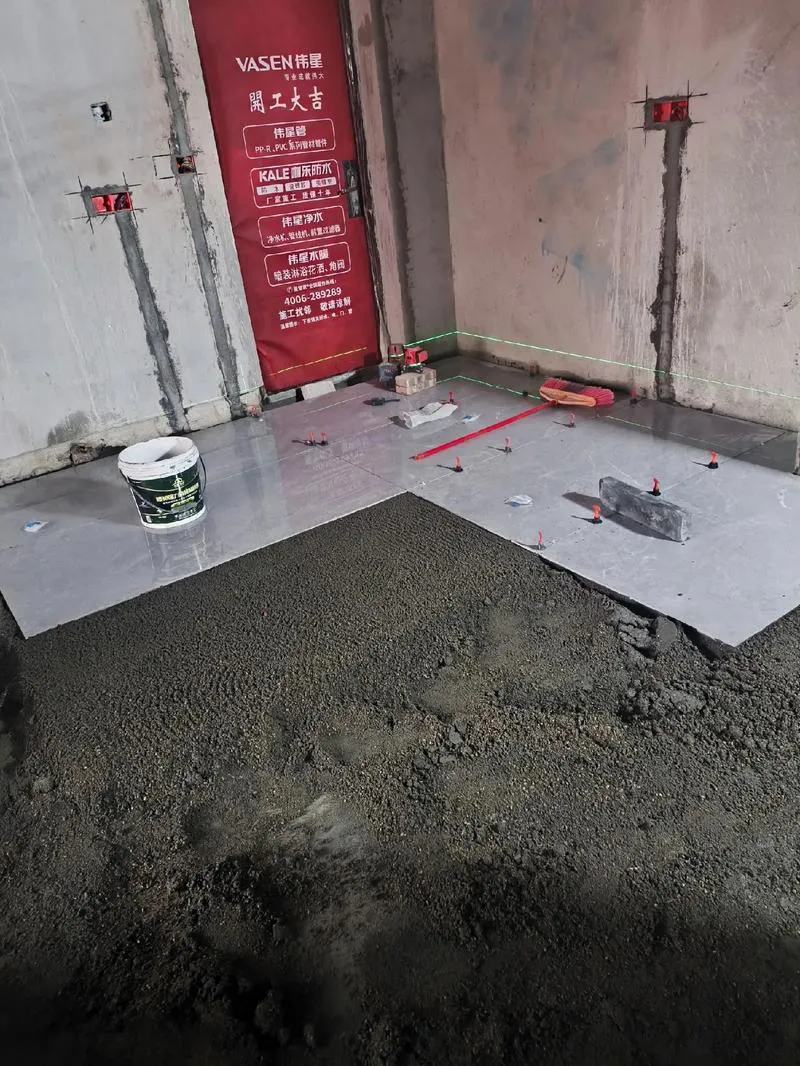
1. Construction Procedure for Natural Stone and Porcelain Floor Tiles
Paving natural stone and porcelain floor tiles is a technical task commonly undertaken by tile workers in residential renovation projects. The standard construction sequence for natural stone floor paving is as follows:
Clean and prepare the base surface → Level with cement mortar → Set elevation and snap layout lines → Install benchmark blocks → Select materials → Soak materials → Paving → Grout filling → Surface cleaning → Curing and handover for acceptance.
Paving natural stone and porcelain floor tiles is a highly technical work item. Its construction quality exerts a significant impact on the overall quality of residential renovation, and it is a key part of the whole project. Construction must be carried out in accordance with standard procedures to guarantee quality.
2. Construction Specifications for Natural Stone and Porcelain Floor Tiles
(1) The base course shall be thoroughly cleaned. Uneven areas shall be chiselled levelled and repaired in advance. Before applying the base cement mortar levelling layer, the ground surface shall be sprinkled with water for wetting, so as to improve bonding strength with the base.
(2) Benchmark blocks must be placed when paving natural stone and porcelain tiles. Benchmark blocks shall be positioned at the intersections of cross layout lines, installed diagonally. During paving, horizontal guide lines shall be hung row by row. Natural stone slabs must be soaked in water, air-dried in shade, and the back surface wiped clean. Paving shall proceed outwards from the centre towards the perimeter in a backward working sequence. When placing stone slabs and porcelain tiles, all four corners shall be lowered down at the same time, and rubber mallets or wooden mallets shall be used to tap the slabs into firm and flat position.
(3) Curing after paving natural stone and porcelain floor tiles is critical. Water curing shall be carried out 24 hours after installation, and foot traffic is prohibited within the first two days. To avoid disruption to other construction works, solid wood planks may be laid on the finished floor for pedestrian passage.
3. Acceptance Standard for Natural Stone and Porcelain Floor Paving
The paved natural stone and porcelain floor shall be firmly bonded, with a flat surface, harmonious colour tone and no obvious colour difference. Joints shall be straight with uniform joint width; stone slabs shall be free of chipped edges and corners. Irregular-sized slabs shall be installed in correct positions, and the direction of drainage slope shall comply with design requirements.
The measured deviation checked by pulling a straight line shall be less than 2 mm; the flatness deviation checked with a 2-metre straightedge shall be less than 1 mm, and the surface shall be clean.
4. Common Quality Defects and Remedial Measures for Natural Stone and Porcelain Floor Paving
The two most frequent quality defects are hollow bonding (hollowness) and excessive flatness deviation.
(1) Hollow bonding (hollowness)
Main causes include overly wet bonding mortar, dried cement slurry during paving, residual contaminants on the back of slabs, early foot traffic or heavy loading during the curing period.
During construction, the bonding mortar shall be in a dry consistency (cohesive when dropped and slightly loose). The volume water-cement ratio of bonding cement slurry shall be 1:2.2. Dry cement powder shall not be used for direct sticking. Planks shall be laid for passage during curing, and direct walking on the paved surface is forbidden.
If hollow bonding occurs, the affected area shall be removed and repaved: lift the hollow slab flatly with a suction cup, then re-pave strictly in compliance with specifications.
(2) Excessive flatness deviation
Besides improper operation and uneven placement of slabs, slab warpage is a major cause. Strict material inspection shall be conducted on site to eliminate severely warped defective products. For slabs with uneven thickness, mortar may be applied on the back for levelling adjustment. Local areas with large deviation may be ground flat with a marble cutter and then polished. Improperly laid slabs shall be lifted and reinstalled.
5. Construction Duration Estimation for Natural Stone and Porcelain Floor Paving
Natural stone and porcelain floor paving is a technically demanding and labour-intensive construction work.
On the premise that the base surface has been finished and auxiliary materials are fully prepared, one worker can pave approximately 6 square metres of natural stone per working day. When including preliminary base treatment and post-paving curing work, the actual daily output per worker is about 4 square metres.
The construction period for porcelain floor tiles is roughly one day shorter than that for natural stone floors. The construction duration can be shortened if the base surface is flat, the material quality is good and the slab size is larger. With proper finished product protection, floor paving can be carried out in parallel with painting and installation works.