
Natural stone selection and usage precautions
2026-07-21
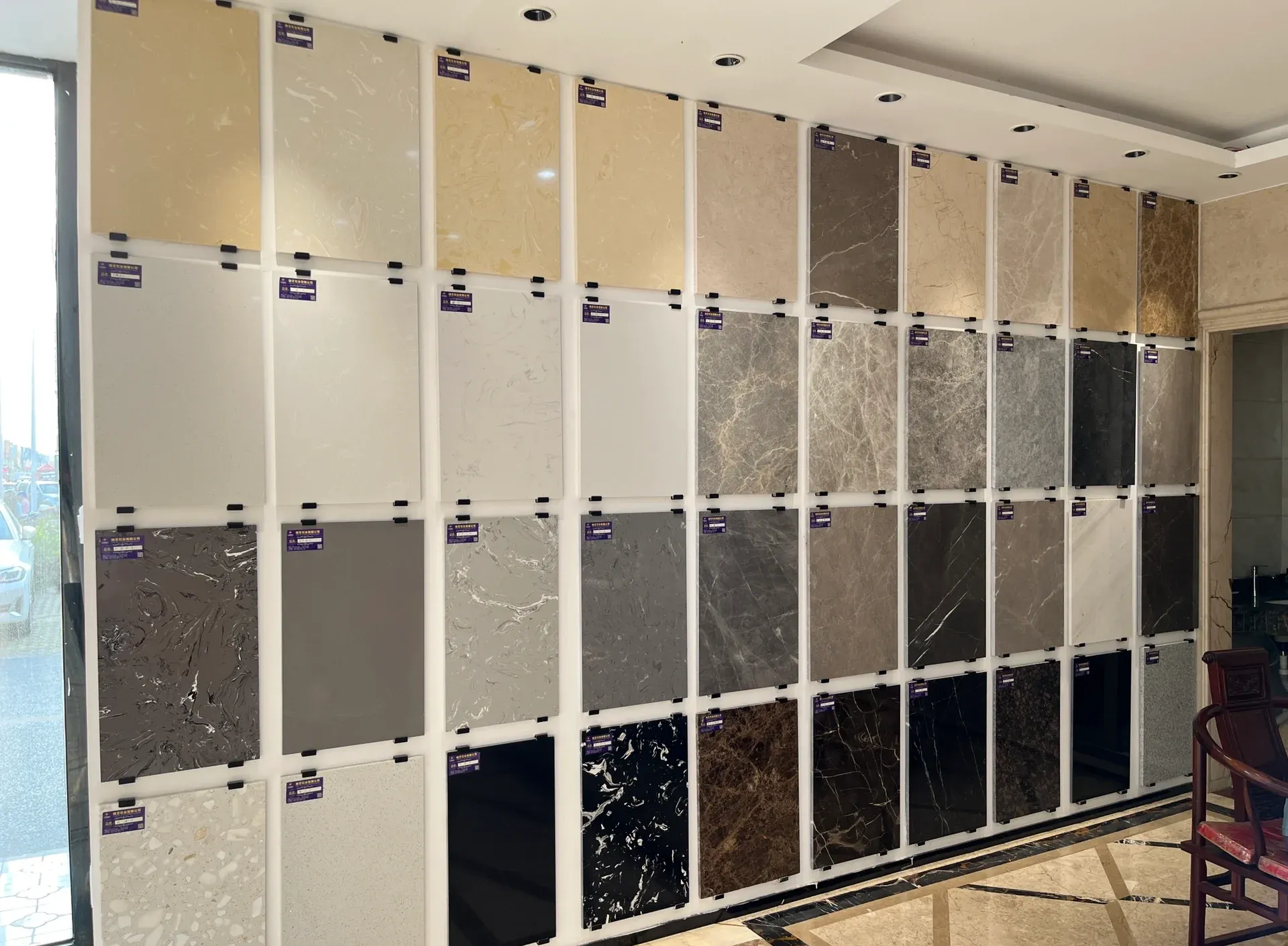
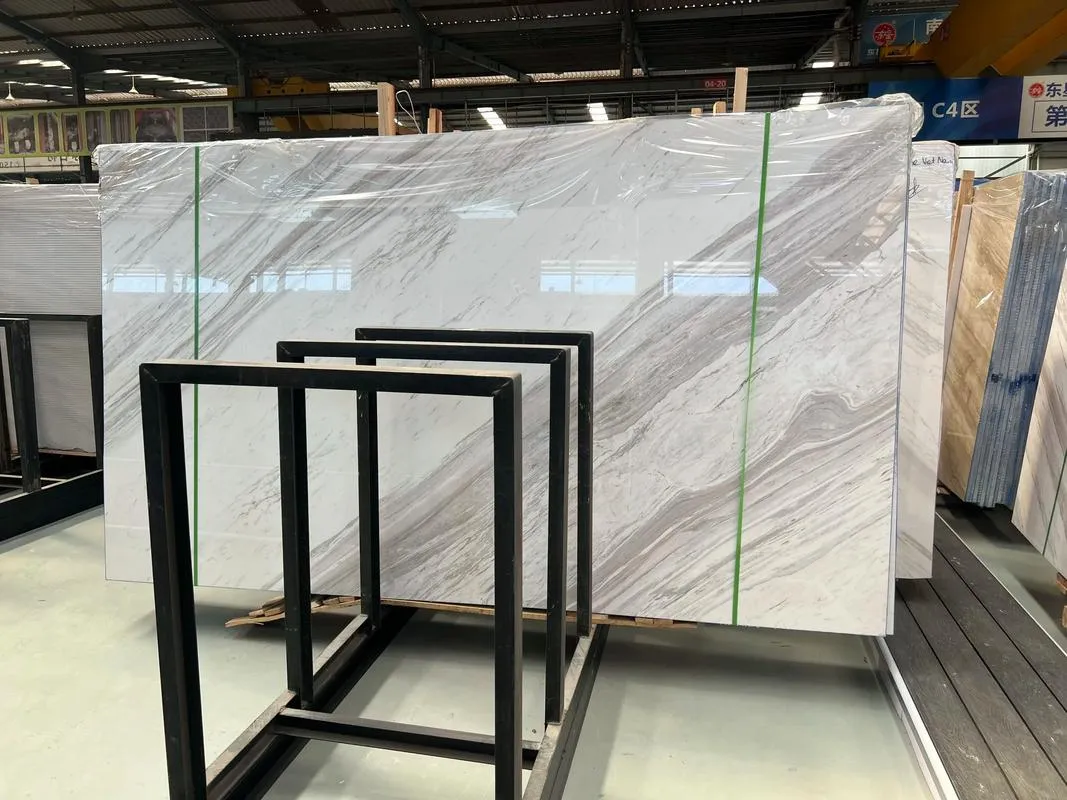
Shanghai Jiani Material Technology Co., Ltd. is a professional company specializing in the production of stone tiles.
All natural stone carries a certain level of radioactivity. Therefore, consumers shall exercise prudence during selection and follow scientific practices in application. Below is a brief overview of three key points to note when choosing and using natural stone.
1. Sign Contracts and Request Invoices at the Time of Purchase
Contracts and invoices serve as critical evidence for safeguarding consumer rights. Consumers shall require sellers to clearly specify the product name, specifications, grade, quantity, price and applicable testing standards in written contracts. It is advisable to ask suppliers to provide product qualification certificates, inspection reports issued by officially accredited testing institutions, or radioactive safety certificates for stone products. If conditions permit, send stone samples to qualified testing bodies for independent inspection.
Many merchants label their stone products as "International Grade A" or "Super Grade" in the market; these are misleading marketing tactics deployed by some manufacturers, which consumers should watch out for.
2. Master Selection Criteria and Standards in Advance
In accordance with China’s national standard GB 6566, decorative stone is classified into three grades (Class A, B and C) based on radioactivity levels. Under regulatory provisions, only Class A stone is permitted for indoor residential decoration.
The two most common decorative stone varieties are marble and granite. Marble generally features far lower radioactivity and most types are suitable for interior use. In contrast, granite is not recommended for extensive indoor installation, especially inside bedrooms, elderly rooms and children’s bedrooms.
Testing data indicates that stone of different colors varies greatly in radioactivity. Avoid granite varieties with red tones, green hues or large crimson speckles.
3. Mitigate Radiation Pollution After Installation
Harmful radon gas has a half-life of merely 3.2 days. Indoor radon concentration can drop to the outdoor ambient level within 20 to 30 minutes after opening doors and windows for ventilation. As such, adequate air circulation is the simplest mitigation measure.
Newly renovated premises are recommended to undergo radon testing. If test results fail to meet safety thresholds, radiation-reducing coatings or lead-free shielding boards may be applied to block radon emission from stone substrates. Immediate stone replacement is mandatory if radioactive indices severely exceed safety limits.
If you want to learn more about stone knowledge and information, please feel free to contact us.