
Several types of stone deterioration
2026-07-31
Shanghai Jiani Material Technology Co., Ltd. is a professional company specializing in the production of stone tiles.
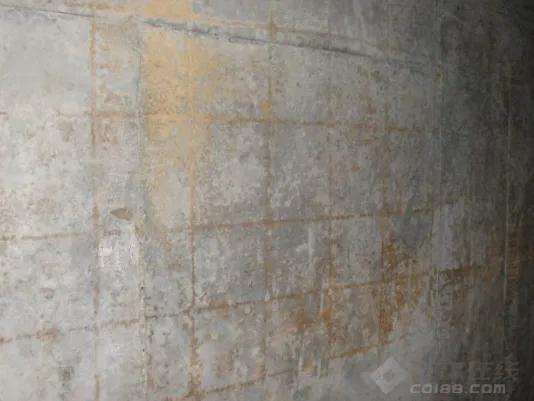
There are generally two root causes of yellow staining. First, during wet installation and grouting of stone, organic additives in cement permeate to the surface through capillary pores on the stone base. Under humid and aerobic conditions, double bonds in organic components break down, resulting in yellow discoloration. Second, for cream-toned marble, alkaline efflorescence rises to the surface and absorbs crystal water to form a gel layer. The altered light refraction darkens alkaline spots.
It shall be distinguished from rust stains. Rust removers cannot be simply applied to tackle this problem.
Yellow staining can be treated via physical and chemical approaches. The physical method involves grinding off the stained layer with polishing abrasives, yet this method is impractical for installed stone. The chemical method refers to cleaning with dedicated chemical detergents.
Efflorescence refers to the precipitation of white powder on stone surfaces or joints. When stone is installed with the wet-laid method, alkaline substances such as calcium hydroxide in the backing cement mortar dissolve in abundant water and penetrate to stone surfaces or joints. Calcium hydroxide further reacts with carbon dioxide in the air or acid rain to form calcium carbonate or calcium sulfate. As water evaporates, calcium carbonate or calcium sulfate crystallizes
Special efflorescence removers are commercially available. For fundamental prevention, measures must be taken to stop rainwater infiltration into stone.