
Microcrystalline stone characteristics
2026-08-10
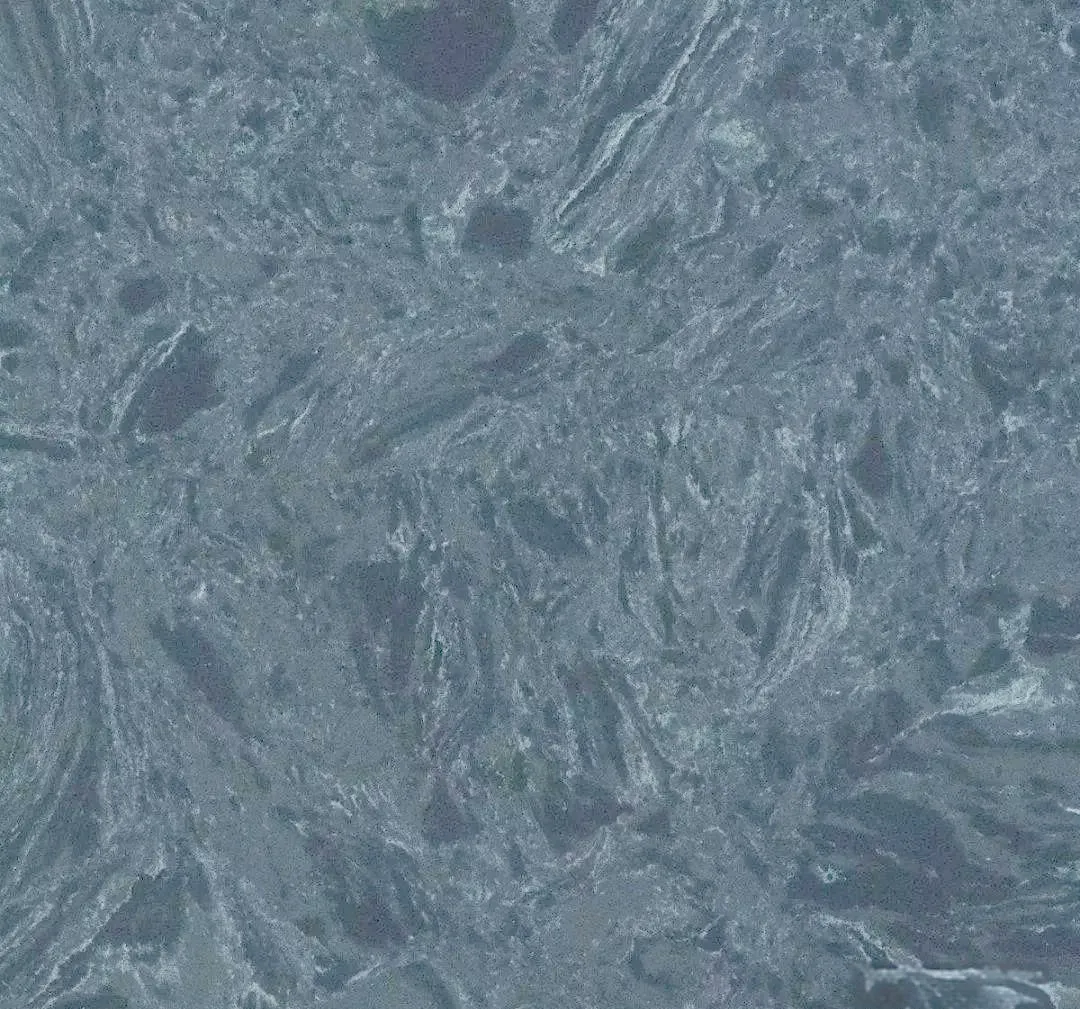
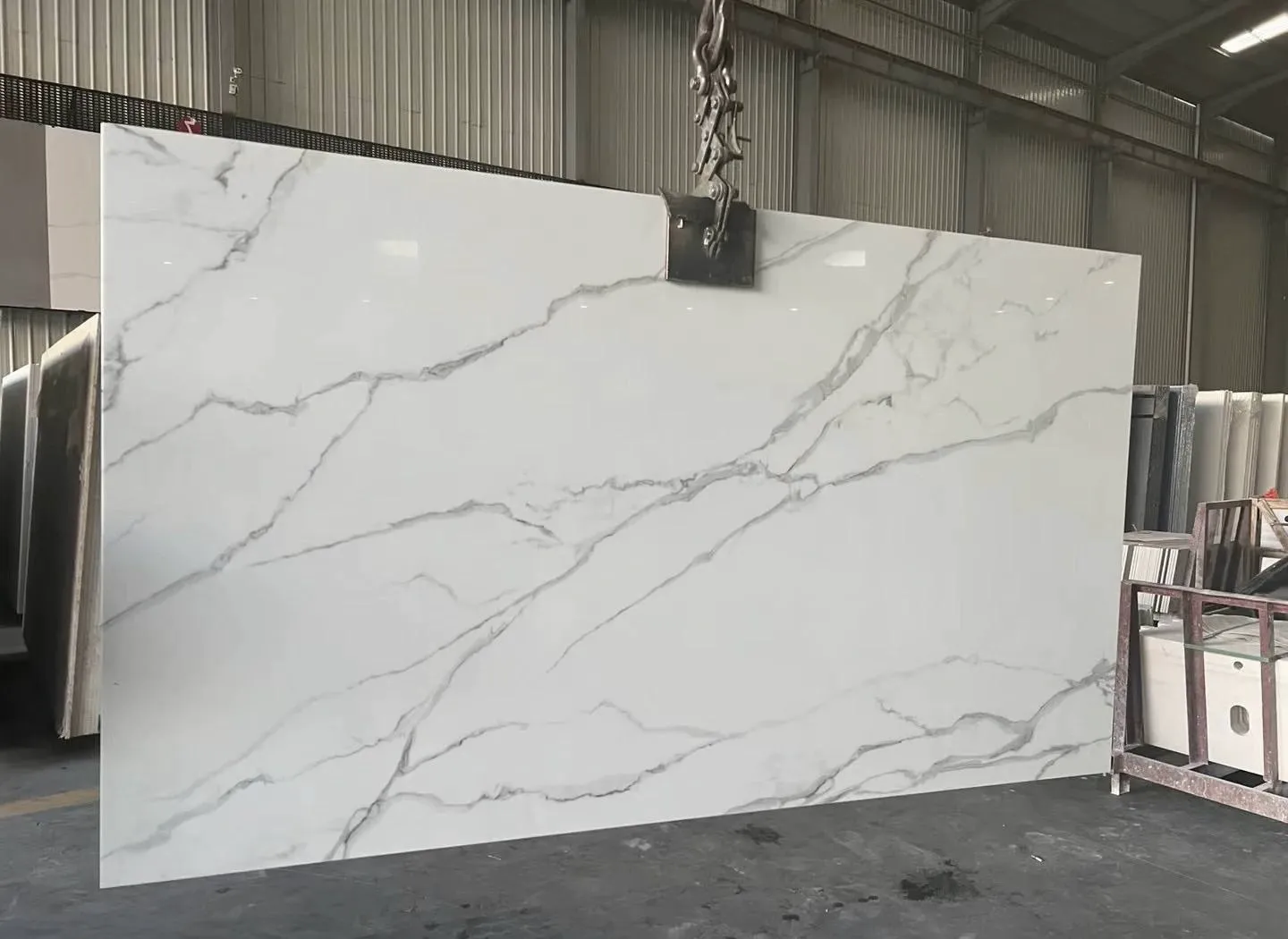
1. Superior Performance: It possesses better physical and chemical properties compared with natural stone. Micro‑crystal stone is sintered by special processes under high‑temperature conditions similar to those for granite formation. It features homogeneous texture, high density and great hardness. Its performances including compression resistance, bending resistance and impact resistance surpass those of natural stone. It is durable and wear‑resistant, not prone to damage, and free from fine cracks commonly found in natural stone.
2. Fine and Soft Texture: Micro‑crystal stone delivers soft, elegant and gorgeous color with uniform crystals, minor color difference and permanent color‑fastness, presenting luxurious jade‑like appearance. It is a material formed by sintering and crystallization under high‑temperature conditions comparable to granite‑forming environment. Although polished micro‑crystal panels have far higher surface glossiness than stone materials, its unique microcrystalline structure generates even and harmonious diffuse reflection for light incident from any angle, creating natural and soft texture.
Combining special microcrystalline structure and glass‑matrix structure, micro‑crystal stone boasts fine texture and crystal‑bright panels. Incident light produces diffused diffuse‑reflection effect, bringing a soft and harmonious visual experience.
3. Rich and Diverse Color Options: As a homogeneous material manufactured by special high‑temperature sintering technology, micro‑crystal stone eliminates fine cracks that cause fracture in natural stone. This process enables abundant color schemes. Based on white base tone, it forms a complete rich‑color system, among which white, beige and grey color families are most favored by designers.
4. Excellent Weather Resistance and Durability: Micro‑crystal stone features rigid and wear‑resistant mechanical properties. Its hardness exceeds carbon steel and granite. It performs better in acid‑resistance and alkali‑resistance than granite and marble. As an inorganic material with outstanding chemical stability, it will not deteriorate, fade or suffer strength reduction even under long‑term exposure to wind, rain and polluted air. It has low water‑absorption rate and small expansion coefficient, resisting contamination. It avoids freeze‑thaw damage as well as penetration hazards from rust, concrete slurry and grey pollutants, eliminating efflorescence of stone. Surface contaminants can also be easily wiped off.
5. High Strength for Light‑weight Application: Harder and less vulnerable than natural stone, micro‑crystal stone outperforms ordinary glass and ceramic materials in strength. Its thickness can be properly adjusted to adapt to construction methods, complying with the modern trend of light‑weight and robust building materials.
6. Thermal‑bending Capability for Special‑shaped Panels: By heating treatment, micro‑crystal stone can be processed into various curved panels as required by clients. Featuring simple process and low cost, it avoids the drawbacks of curved natural‑stone processing, such as massive cutting and grinding, long working hours, high material consumption and resource waste.
7. Eco‑friendly & Harmless: It is a green environmental‑friendly building material with no harmful gas emission and zero radioactive contamination. Radioactive elements have been artificially removed during production. Different from natural stone which may bring radioactive hazards to human bodies, it is a safe modern green building material.
8. Disadvantages: Despite its excellent appearance, micro‑crystal stone has certain limitations. Current manufacturing processes produce bright and attractive patterns. Nevertheless, multi‑step forming and strict requirements for raw‑material composition lead to high cost. Besides, numerous working procedures result in low comprehensive yield rate, which further prevents cost reduction. Moreover, its higher hardness than natural stone raises the difficulty of cold processing, which also pushes up production costs.