
Several factors affecting stone polishing
2026-08-19
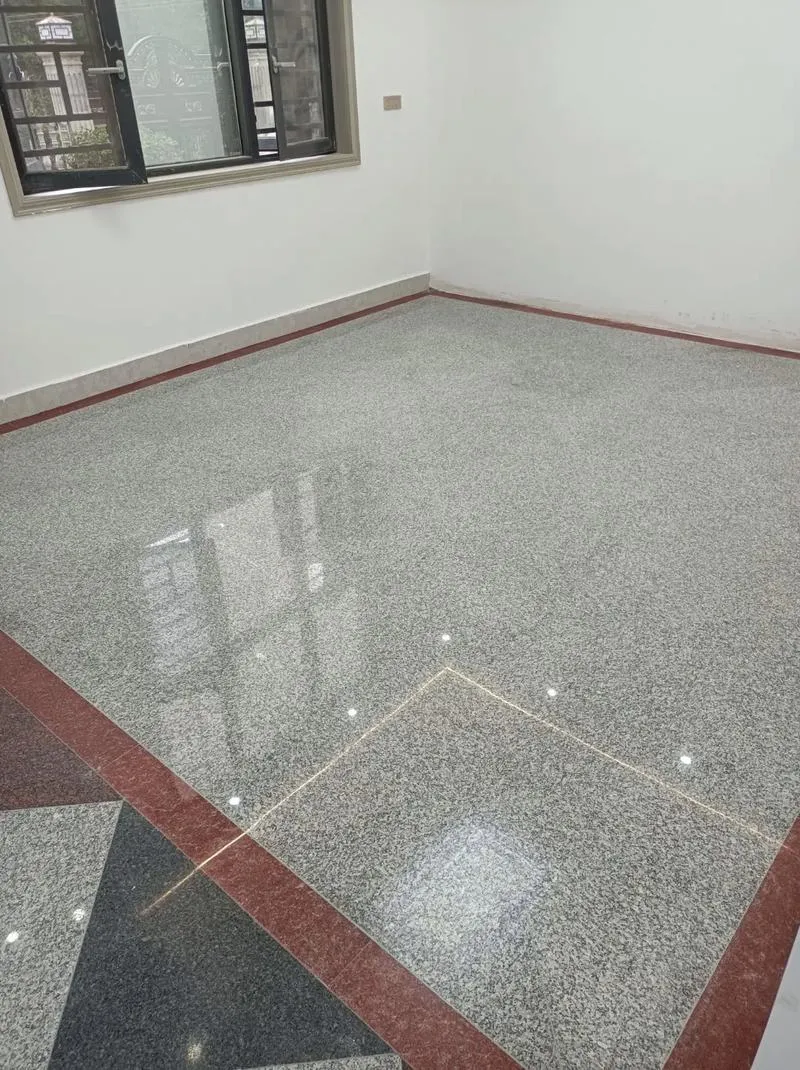
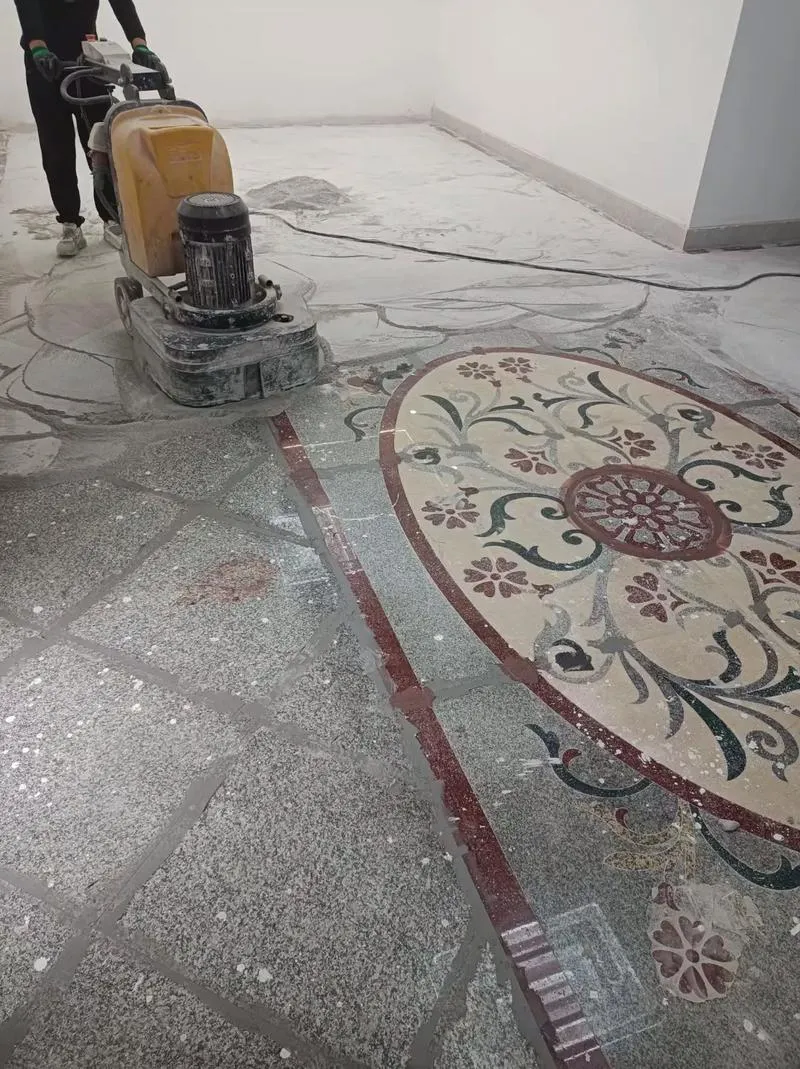
The polishing effect of stone depends on two aspects: one is the adopted polishing technology, namely the acquired external human‑induced factor; the other is the inherent internal factor of the stone itself.
Regardless of the inherent properties of stone and focusing solely on polishing procedures, the major influencing factors for stone polishing include the type of polishing agent, polishing liquid (paste), polishing tools (abrasive blocks), and polishing process parameters.
(1) Type of Polishing Agent
As a special polishing material, polishing agents differ from grinding materials mainly in processing mechanisms. In principle, certain low‑hardness micropowder materials can also serve as polishing agents. Generally, high‑hardness polishing agents deliver better performance with wider applicability. Diamond polishing powder can achieve satisfactory polishing results for most types of stone.
(2) Polishing Liquid (Paste)
Water is a commonly‑used polishing liquid. It functions both as a coolant for grinding and as a medium for physical and chemical reactions during polishing.
When stone polishing is dominated by mechanical grinding, for instance with diamond micropowder, oil‑based organic liquids such as sewing machine oil work better as polishing liquids, offering excellent cooling, lubrication and dispersion performance.
Diamond polishing pastes are available in water‑based and oil‑based types, and colorants may be added. Its formula consists of abrasives, dispersants, carriers, water and colorants.
(3) Polishing Discs (Tools / Abrasive Blocks)
Smooth and flat polished stone slabs are produced by stone surface grinding. Hard metal‑bonded polishing discs are widely adopted. Soft polishing discs tend to deform into concave surfaces under pressure on stone, making them suitable for curved‑surface polishing. Medium‑hard discs feature favorable wear resistance, adsorption capacity and moderate elasticity, yielding good polishing performance for flat stone surfaces.
(4) Polishing Process Parameters
Process parameters include polishing agent concentration and feed rate, polishing pressure and linear speed. Below a certain threshold value, polishing efficiency rises along with increasing polishing‑agent concentration. Once the concentration reaches the peak value, further concentration increase will reduce polishing efficiency. Similarly, maximum polishing speed is obtained at an optimal feed rate; excessive feed volume will lower polishing efficiency. Moderately higher polishing pressure improves polishing speed, yet excessive pressure intensifies grinding action and hinders glossy surface formation. Polishing speed is determined by the rotational speed of polishing discs; excessively high linear speed will throw off polishing agents and cause material waste.
(5) Quality of Preceding Working Procedures and Surface Roughness of Stone
When taking inherent stone properties into account, such as mineral composition, the technological characteristics of stone polishing come into play.
Stones with different mineral compositions exhibit distinct polishing behaviors. For example, serpentine‑based stone such as Green Marble possesses high toughness; it can be ground but is difficult to polish.
Certain clay minerals contained in marble will impair surface gloss. A typical example is Red Wanluo marble from Anhui, stratigraphic bioclastic limestone. Slabs sawn parallel to bedding planes display beautiful shell‑like fossil patterns. Nevertheless, due to its clay‑mineral content, its glossiness after polishing can hardly reach above 85 degrees.
Porous granite usually suffers from weathering (argillization or hydromuscovitization) of feldspar minerals. Its polishing performance cannot match that of fresh granite, which should be regarded as a stone‑quality defect.
Theoretically, different minerals require corresponding polishing agents. Polishing is a fine stone‑processing technique, also known as surface gloss‑enhancing technology. Numerous factors affect stone polishing, including process conditions and parameters in polishing operations, types of polishing agents, auxiliary materials, polishing discs / tools / blocks, as well as mineral composition and inherent quality of stone materials.