
Small samples lead to major misconceptions
2026-08-24
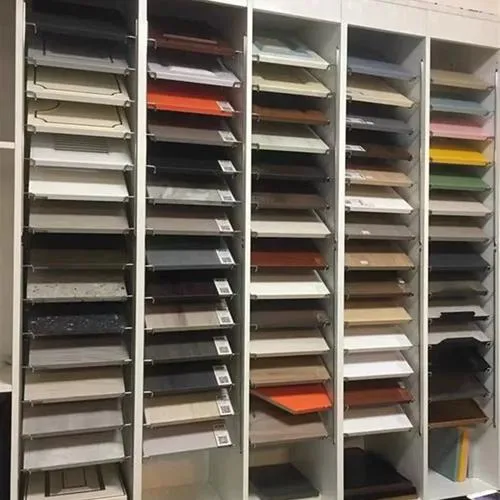
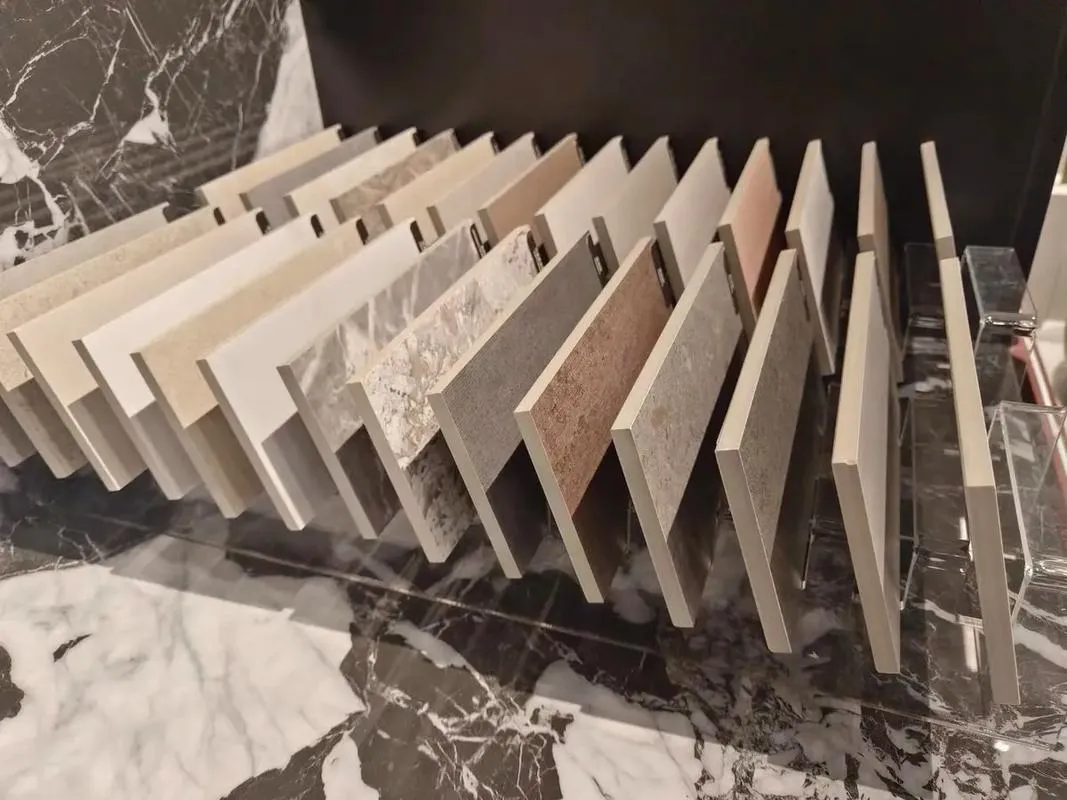
Stone is a‑natural‑product with incomparable merits as well as non‑negligible drawbacks. People who specify or purchase stone materials may not possess adequate professional knowledge; they may not fully understand its advantages, disadvantages and inherent characteristics. Disputes frequently arise accordingly between buyers and suppliers.
1. Misconceptions Caused by Small Samples
Samples taken from different positions on one‑large‑stone‑slab can differ greatly. If the Client inspects and accepts goods against only one sample, it is practically impossible to match every slab fully to that sample.
This gives rise to the sample‑related misconception. Many Clients, especially decision‑makers, have limited time to study stone‑material quality. Their perception of stone is formed mainly from small‑size samples. Once they build up an imagined project‑effect based on samples, they tend to be greatly disappointed upon project‑completion, owing to substantial discrepancies between expectation and reality.
To eliminate such misunderstanding, Clients shall be informed of the full picture of natural‑stone. On‑site inspection by the Client is recommended. If site‑visit is not feasible, sales staff shall provide photos of full‑size slabs along with physical samples; project‑rendering‑pictures are preferred if available.
2. Misconceptions Caused by Minor Surface‑Defects
It can be challenging to respond when Clients raise concerns over minor‑surface‑defects.
To secure orders, sales‑representatives tend to select flawless‑samples. Even slight blemishes on samples may trigger complaints from Clients. Clients often judge bulk‑goods entirely by sample‑standards. Both parties tend to avoid discussing inherent‑limitations of the stone‑variety. Clients may mark on sample‑rear‑side: “Acceptance‑standard shall be subject to this‑sample”. When bulk‑deliveries arrive on‑site and minor‑defects are found, conflicts break‑out, usually to the disadvantage of stone‑suppliers.
Some manufacturers print statements on labels: “Stone‑is‑natural‑material; minor‑natural‑defects‑are‑normal”, hoping to resolve disputes. However, such disclaimer often irritates Clients and worsens conflicts.
The proper‑solution lies in truthful‑communication to help Clients understand real‑properties of natural‑stone. Mine‑visit‑or‑factory‑tour is encouraged. If visits cannot‑be‑arranged, photographs and videos‑shall‑be‑provided. Clear‑quality‑acceptance‑criteria‑shall‑be‑agreed‑upon‑by‑both‑parties, so‑as‑to‑prevent‑disputes‑stemming‑from‑natural‑minor‑flaws.
3. Misconceptions Regarding Oversized‑Stone‑Panels
A‑prevailing‑phenomenon‑exists‑in‑modern‑stone‑projects: stone‑panels‑are‑getting‑increasingly‑large. Floor‑slabs‑may‑reach‑1500 × 1500 mm; curtain‑wall‑dry‑hung‑panels‑can‑even‑be‑1500 × 3000 mm. When‑suppliers‑raise‑practical‑concerns, Clients‑often‑respond: “Other‑suppliers‑can‑produce‑them,‑why‑cannot‑you?” This‑puts‑manufacturers‑in‑a‑difficult‑position.
For‑instance,‑a‑carved‑stone‑piece‑measuring‑3200 mm‑in‑length,‑900 mm‑in‑height‑and‑200 mm‑in‑thickness‑weighs‑nearly‑1.5‑tons. Safety‑risks‑are‑obvious.
As‑panel‑size‑increases,‑loads‑borne‑by‑each‑bracket‑or‑back‑bolt‑become‑higher.‑Subject‑to‑vibration‑and‑alternating‑positive‑and‑negative‑wind‑pressure‑over‑time,‑fastening‑positions‑suffer‑from‑mechanical‑fatigue.‑Under‑strong‑negative‑wind‑pressure,‑panel‑fall‑off‑hazards‑may‑occur‑with‑severe‑consequences.‑Misconceptions‑about‑oversized‑stone‑panels‑shall‑be‑corrected.